
When we choose fruit, we usually think about how it tastes, how healthy it is, how sweet or crunchy it is, and sometimes even if it’s currently a suitable season for this fruit. Well, it turns out that for many cultures in the world, fruit is not just something you eat. Instead, the symbolism behind specific fruits is significant, and because of this, they usually pay attention to their color, shape, name, and even the number of seeds inside.
Believe it or not, there are particular kinds of fruits that should be eaten at New Year, at weddings, on birthdays, or at some religious celebrations in order to attract good luck, wealth, health, and happiness.
In this article, we’ll introduce 5 lucky fruits and explain the meanings behind each one.
1. Oranges and Mandarins
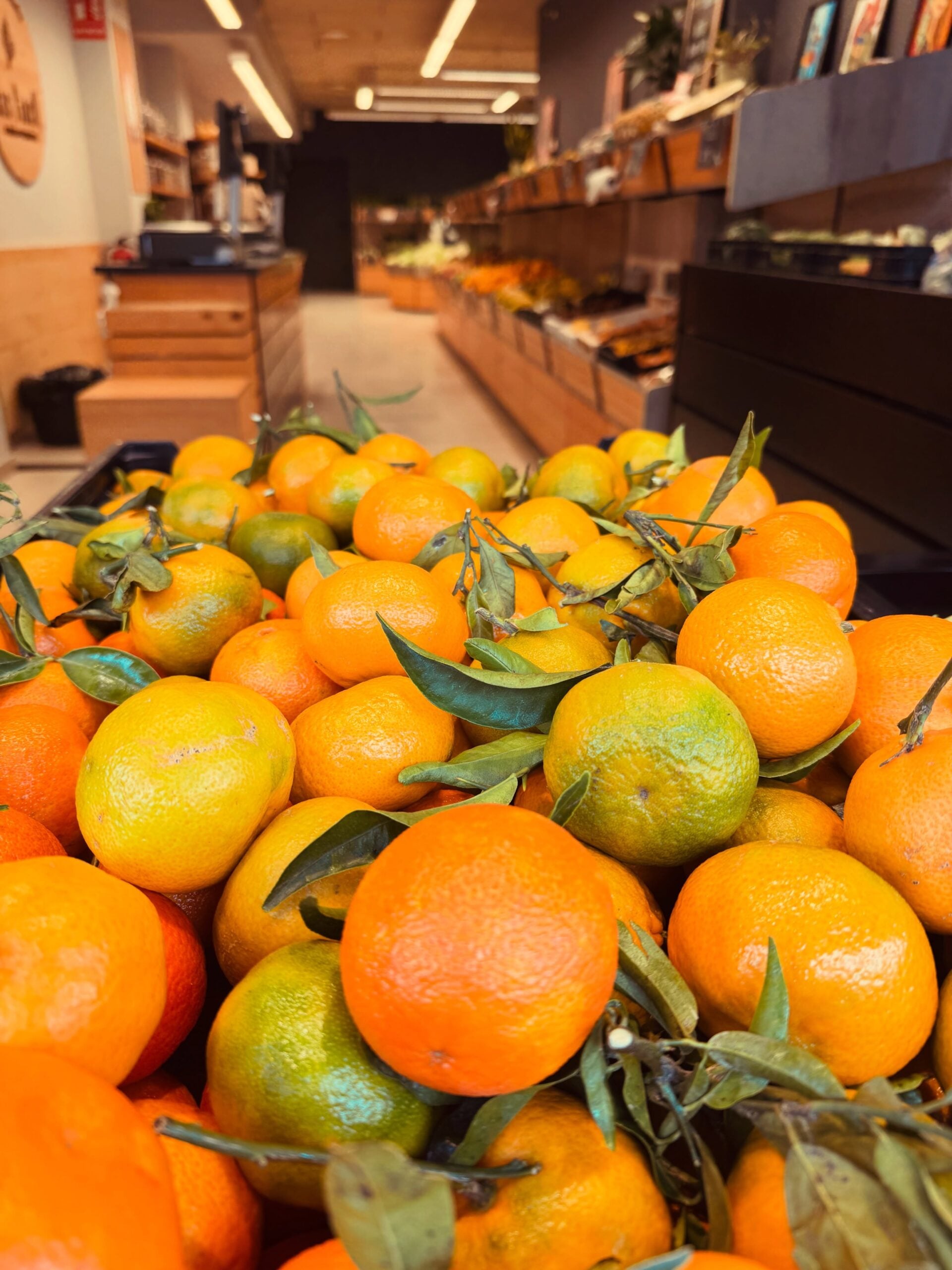
Citrus fruits like oranges and mandarins aren’t necessarily the first foods that come to mind when you think about luck. However, for Chinese people, they are among the most meaningful fruits during Lunar New Year celebrations. If a Chinese person gives you those during the New Year’s period, it’s a sign that they wish you good fortune because it’s common for Chinese families to display oranges and mandarins in their homes or give them to friends and relatives as a wish for good fortune.
Still, it doesn’t happen only during the Lunar New Year period. In fact, people always enjoy surrounding themselves with positive symbols when hoping for a fortunate result. For instance, it can be particularly useful for modern entertainment, such as playing GGBet casino games, because people often believe that receiving certain fruits, coins, lucky numbers, and other familiar symbols is a sign of luck. Of course, these images don’t influence the actual outcome, but you can always try.
2. Pomegranates
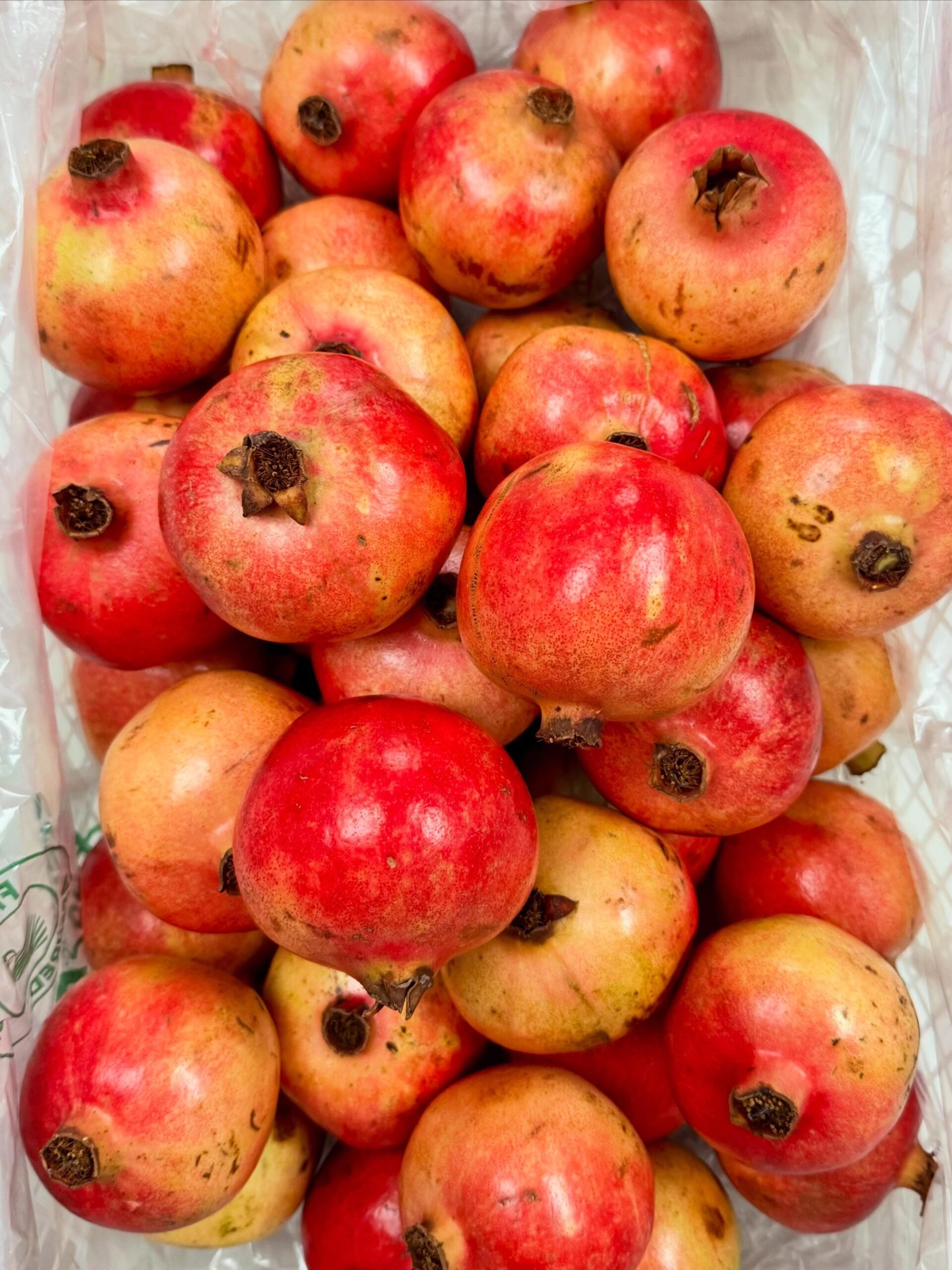
If you’re interested in cultures and their symbolism, you might know that pomegranates are widely associated with abundance, fertility, and prosperity. The reason is easy to understand – once you open the fruit, there are hundreds of red seeds sitting inside. Not surprisingly, people like to connect large quantities with abundance, and with pomegranate, every seed represents another good thing that can happen in your life.
This fruit is considered especially lucky for Greek people. On New Year’s Day, they like to smash the fruit at the entrance of their home. According to the belief, the more seeds that scatter across the doorstep, the more luck, happiness, and prosperity the household may receive during the year ahead.
3. Grapes
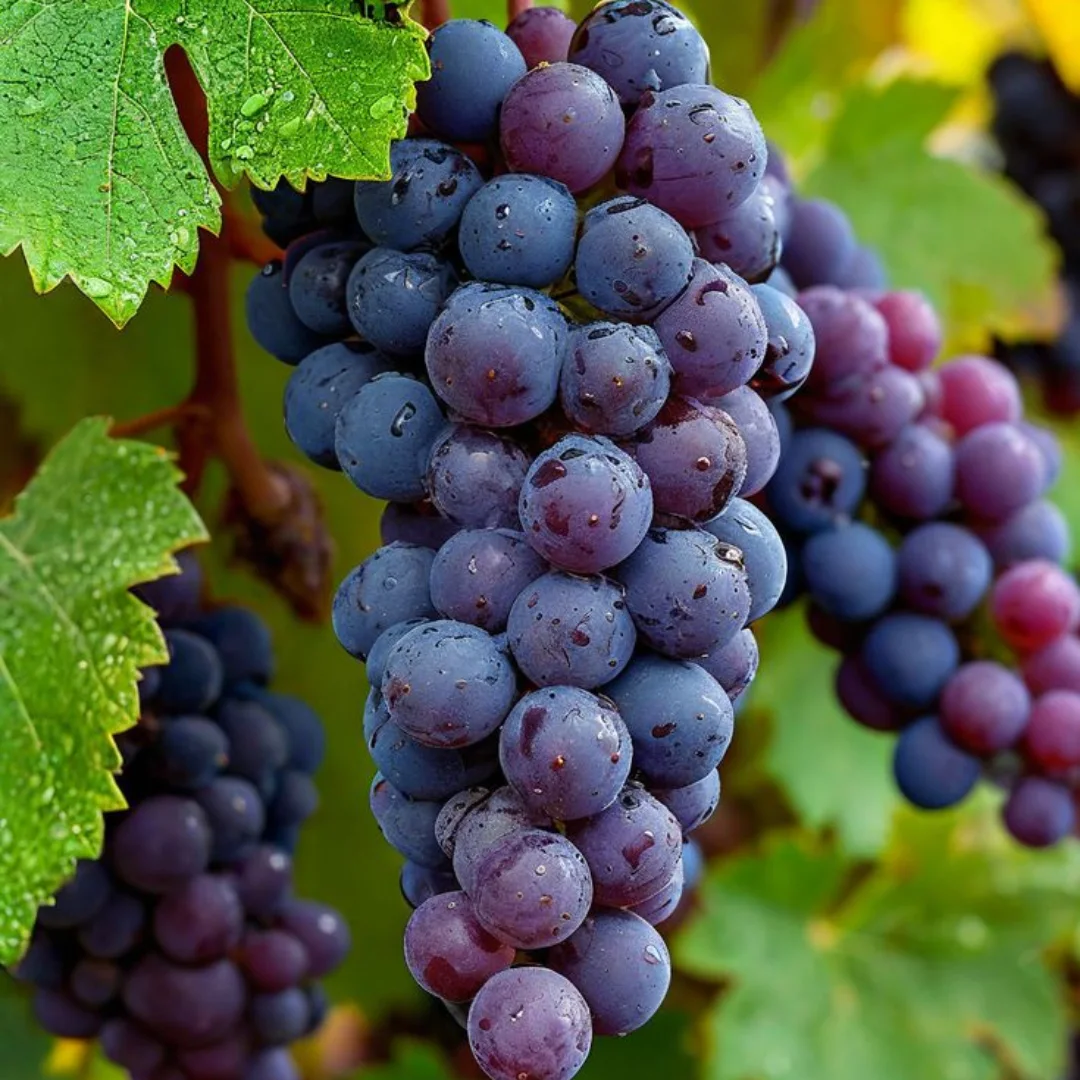
One tradition closely connected to New Year celebrations involves grapes. This tradition is already popular in different parts of the world, but it originally comes from Spain. Based on the custom, if you want to experience luck and prosperity in the upcoming year, you should eat exactly 12 grapes at midnight. But this will work only if you eat one grape for every strike of the clock. Twelve, because this number represents one month of the upcoming year, and completing the challenge is believed to bring twelve months of good luck and prosperity.
This tradition is especially popular in Latin American countries. Interestingly, one version of this belief says that a sweet grape will predict a pleasant month, while a sour one is a sign that the upcoming month will bring challenges.
4. Pineapples
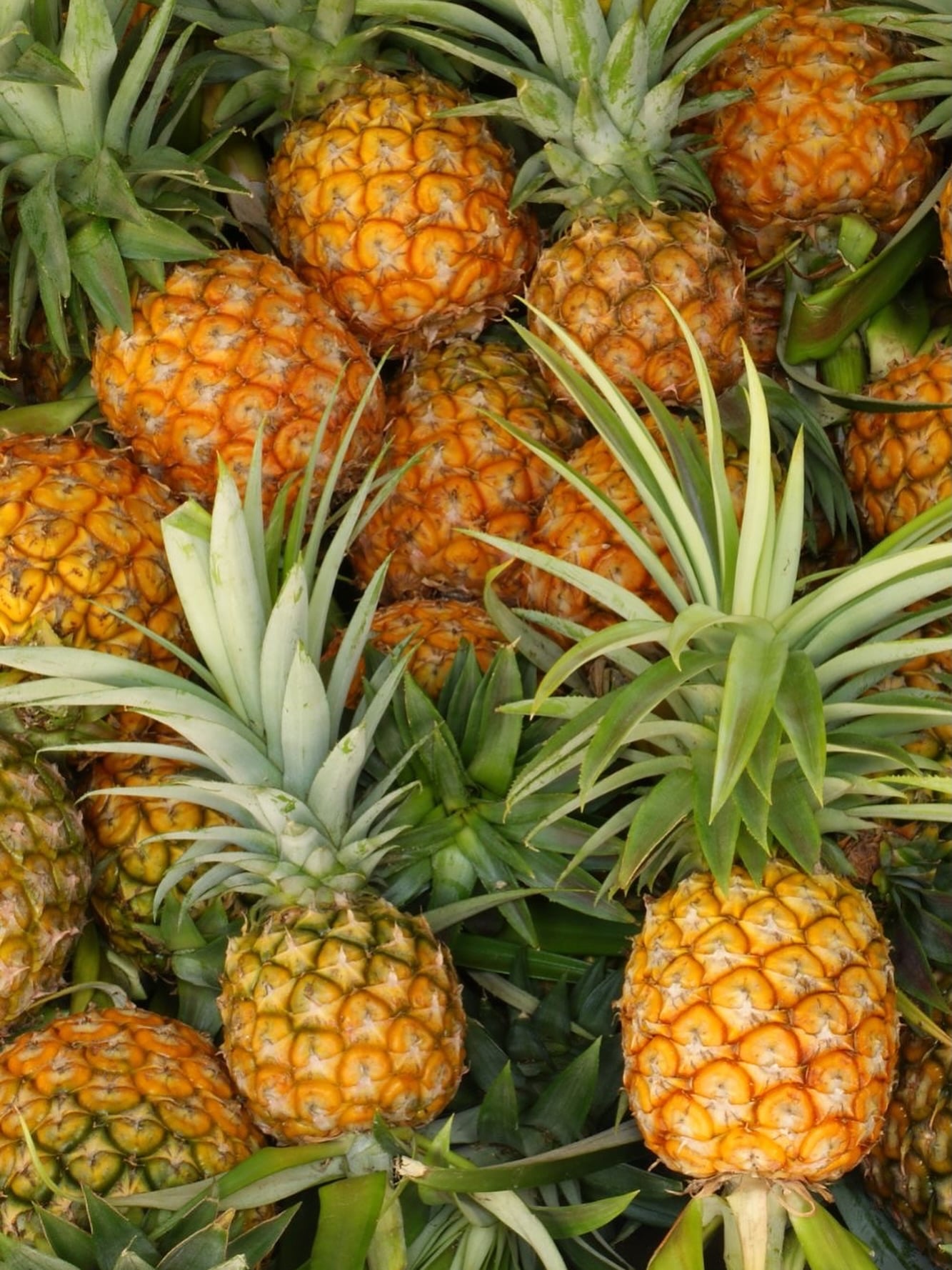
The next lucky fruit on this list is the pineapple, which is also especially meaningful in some Chinese communities. Interestingly, this custom is related to the way this fruit is pronounced. Hokkien speakers. In particular, the word for “pineapple” in this language, “ong lai,” sounds similar to a phrase that means “prosperity arrives.” Because of this, people often display pineapples at home or use pineapple-shaped decorations during Lunar New Year celebrations.
In addition, pineapple cakes are popular gifts in many Asian cultures. And if you give them to someone, they know that you would like to share a wish for prosperity.
5. Peaches
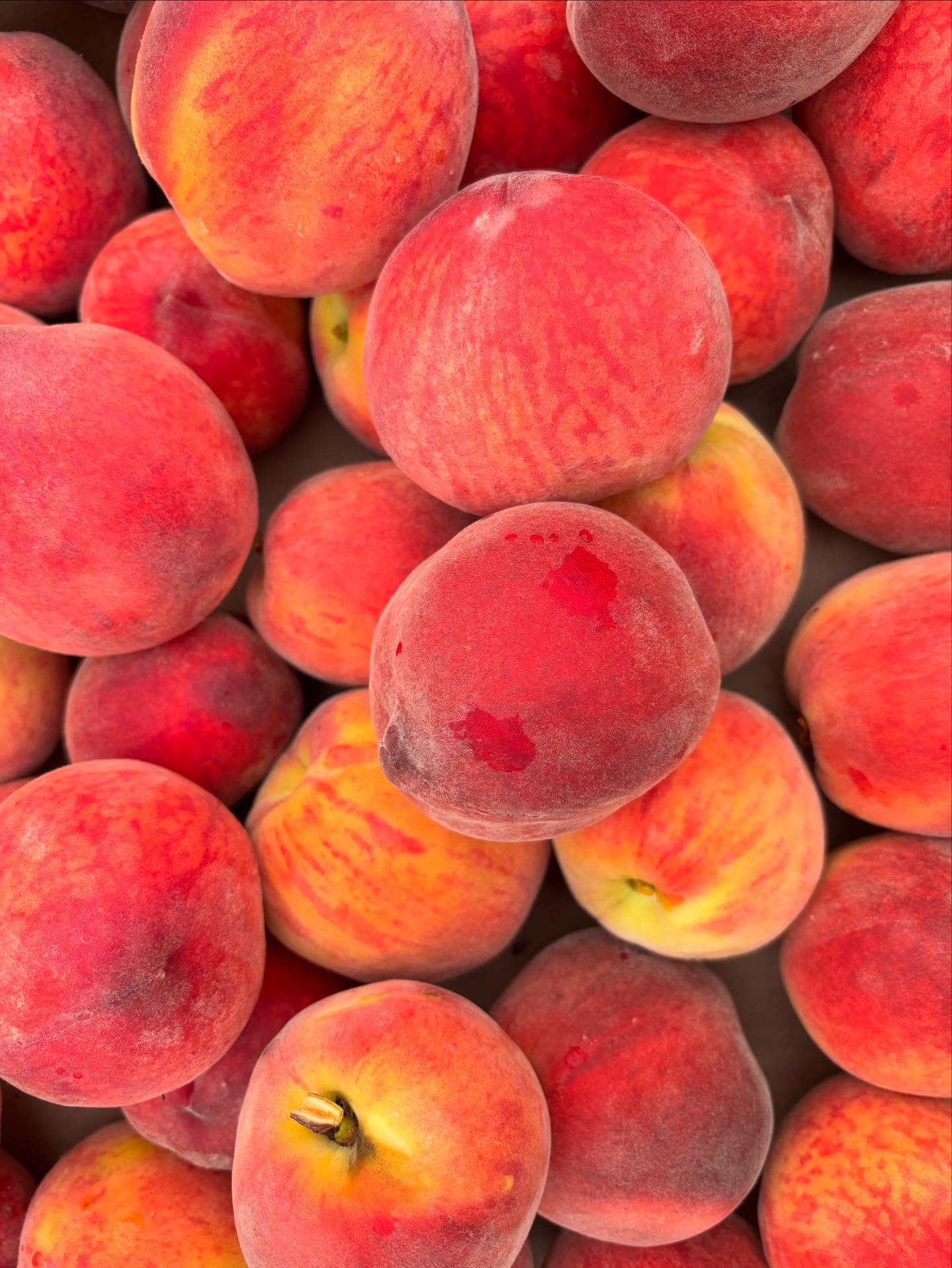
The final fruit on this list is the peach, which is particularly associated with good health and longevity in Chinese culture. If you’ve ever heard of traditional Chinese stories about magical peaches, you probably understand the reason why this fruit has such a special meaning. According to these stories, eating the Peaches of Immortality could help people live an extremely long life, and some of them could even become immortal.
As a result, even these days, peaches often appear in decorations, artwork, and gifts prepared for an older person’s birthday. Even when fresh peaches aren’t available, people try to serve peach-shaped steamed buns filled with sweet bean or lotus seed paste.
Bottom Line
Of course, it doesn’t matter what fruits you eat and what they are associated with, there’s no guarantee that you can actually experience something fortunate after eating them. Still, learning about these traditions can give you another reason to include healthy and colorful fruits on your table. After all, these traditions turn simple foods into expressions of hope, and it’s never a bad idea to begin a new year, marriage, or another important chapter of your life with a positive mindset.
Leave a Reply