

When you think about plums, chances are that you imagine a sweet purple fruit that can be eaten fresh or used in desserts. Well, if that’s what you expect, kakadu plum may disappoint you. It's a small, green, oval fruit that looks more like a citrus than a plum. Most importantly, the taste of kakadu plum is so strong that you need to be prepared to be surprised if it’s the first time you’re trying it.
The fruit originates from the tropical eucalyptus and is also very typical for northern Australia. The thing that makes it so famous is its exceptionally high content of vitamin C.
In this article, we’ll introduce kakadu plum, explain its nutritional value and health benefits, and help you understand how to make the most of it.
What Is Kakadu Plum?
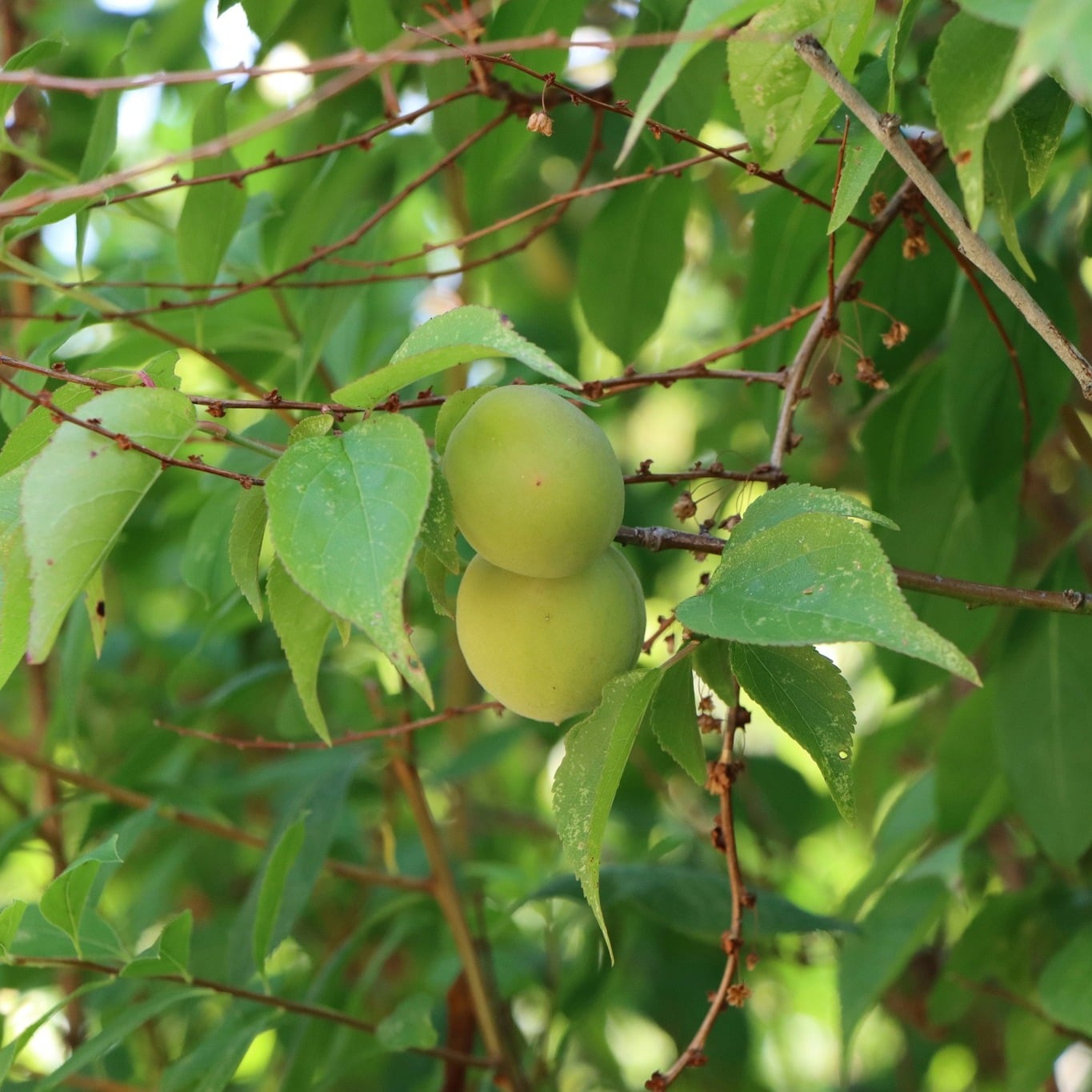
If the name Kakadu Plum sounds like just another recently discovered "superfood," you’re mistaken because native communities in Australia have eaten this fruit for generations. This fruit usually grows across tropical areas of northern Australia, and it’s also known scientifically as Terminalia ferdinandiana. People sometimes even call it names such as "gubinge," "billygoat plum," and "murunga."
The fruit has smooth, pale green skin and contains a hard seed in the middle. Unlike common plums that are usually sweet, it has a sour taste. At the same time, it’s not completely sour and has a slightly bitter and sometimes astringent flavor.
Even though Australia is usually represented internationally through modern tourism, sports, and digital entertainment options such as online pokies Australia, Kakadu plum connects the country with a much older part of its culture. Aboriginal Australian communities have used it as both food and as medicine long before it appeared in health supplements, skincare products, and trendy recipes.
Nutritional Value of Kakadu Plum
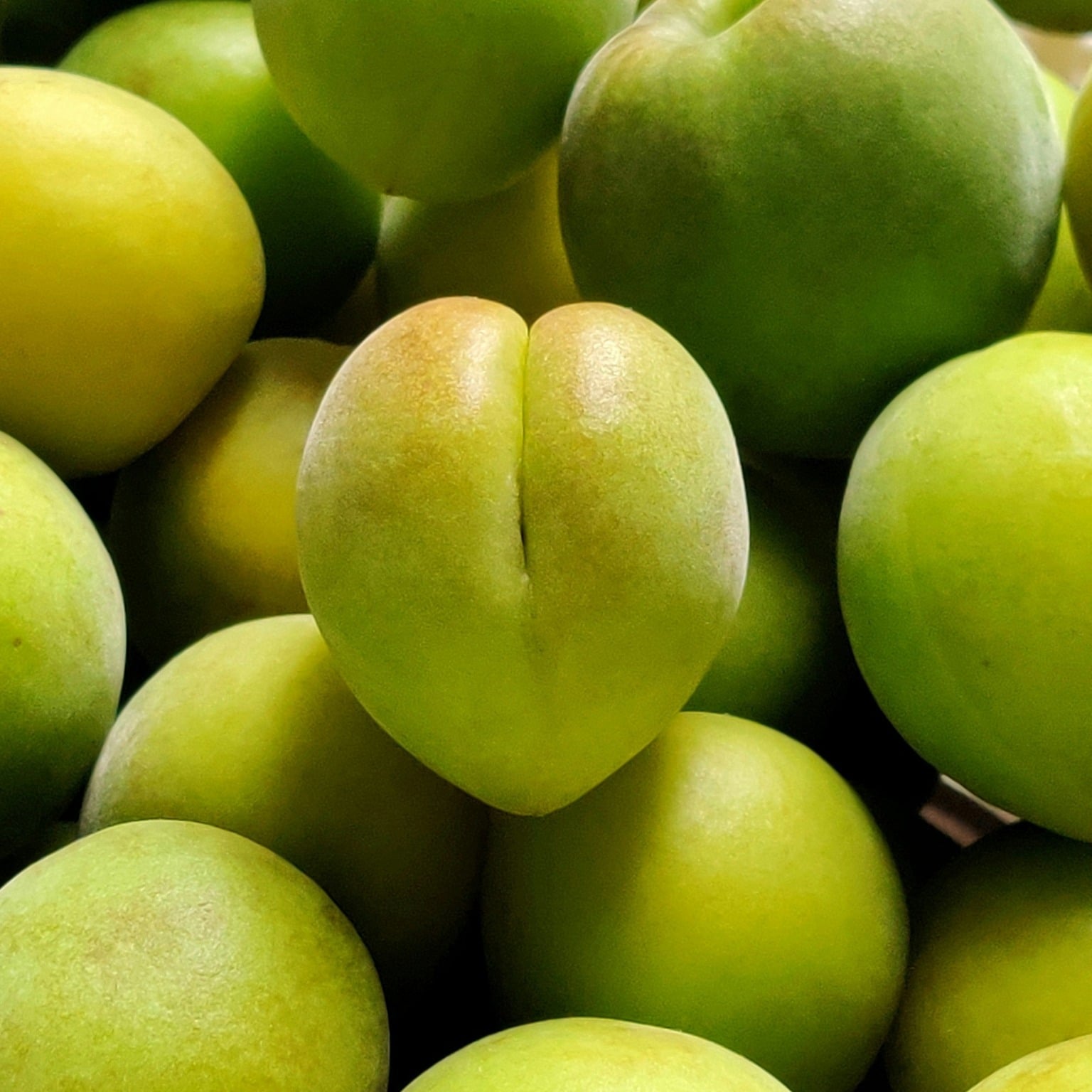
When it comes to nutrition, one particular benefit you can easily get from Kakadu plum is vitamin C. In fact, the fruit is especially famous for containing many times more vitamin C than typical citrus associated with vitamin C. For instance, both oranges and lemons usually provide around 50-53 milligrams of vitamin C per 100 grams. When it comes to Kakadu plum, it can reach approximately 2,300 to 3,150 milligrams per 100 grams. Of course, the exact amount depends on ripeness and growing conditions, but that comparison is a clear sign that you can easily meet your vitamin C needs by just having a single kakadu plum.
In addition to vitamin C, kakadu plum also contains vitamin E and various other beneficial plant compounds such as ellagic acid and other polyphenols. This means that even a small amount of it can add useful nutrients to your diet and support your immune system.
How Is Kakadu Plum Used?
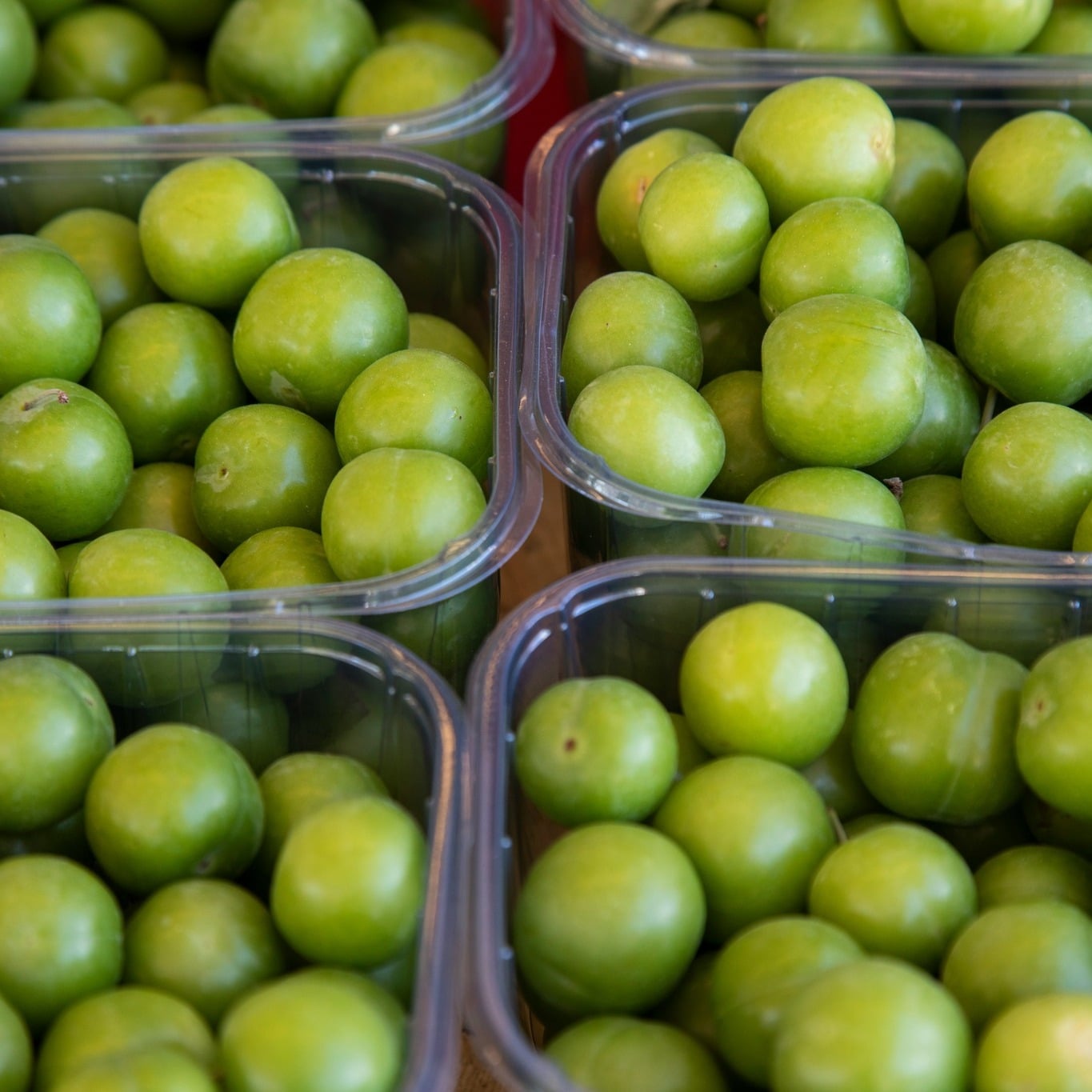
The most useful thing you can do with your kakadu plums is just to eat them raw. However, as it’s not easy to enjoy its sour and bitter taste, people often make jams, juices, and sauces out of it. In addition, you can even use it in your desserts, either on its own or combined with sweeter ingredients to balance its taste.
Kakadu plum isn’t only used in desserts, though. Similar to lemon, it’s ideal for marinades and sauces that come with meat and fish. In addition, one popular option is dried kakadu plum powder, which is now available in various health-food shops and online stores. You can add a small amount of this powder into smoothies, yogurt, or oatmeal, or even make energy balls out of it. Some people also add it to water or juice for an extra sour flavor.
One thing you should be aware of is that the powder is very concentrated. Therefore, you don’t need to use much of it. And ideally, try to check the ingredients and avoid products that contain added sugar or only a small percentage of actual Kakadu plum.
Bottom Line
Now you know that this strange type of plum called Kakadu plum comes with plenty of health benefits, and you can easily make it a part of your balanced diet. Of course, you don’t need to eat kakadu plum every day or use the powder every time you decide to make something healthy, but having it as an option to enhance vitamin C whenever you feel like trying something different can be useful.
Most importantly, never think that Kakadu plum is just another trendy superfood. It’s a traditional Indigenous Australian ingredient. And only its long cultural history is enough reason to try this fruit and assess how it can affect your health.





Leave a Reply