

The word "diet" is usually associated with limitations when it comes to eating. And it does have a reason, because most diets tell you which foods to avoid or how much you’re allowed to eat. However, WeightWatchers has a slightly different approach.
This weight-loss and lifestyle-change program has been around since 1963, when Jean Nidetch founded it in New York. This program works based on a daily points budget instead of completely banning certain foods. This simply means that different foods have different values based on their nutritional content, and you can track what you eat while remaining within the "budget." Among these foods, there are so-called ZeroPoint foods — those that don’t need to be weighed, measured, or tracked.
The list of ZeroPoint foods contains more than 350 options that ended up in this category because they are rich in protein, fiber, vitamins, or minerals and can be the basis of filling meals. In general, WeightWatchers requires a paid membership. Therefore, if you’re considering the program, you may want to review Discoup’s WeightWatchers roundup for available offers.
In this article, we’ll introduce these groups of ZeroPoint foods so that you can find out how the system actually works.
Fruits and Vegetables
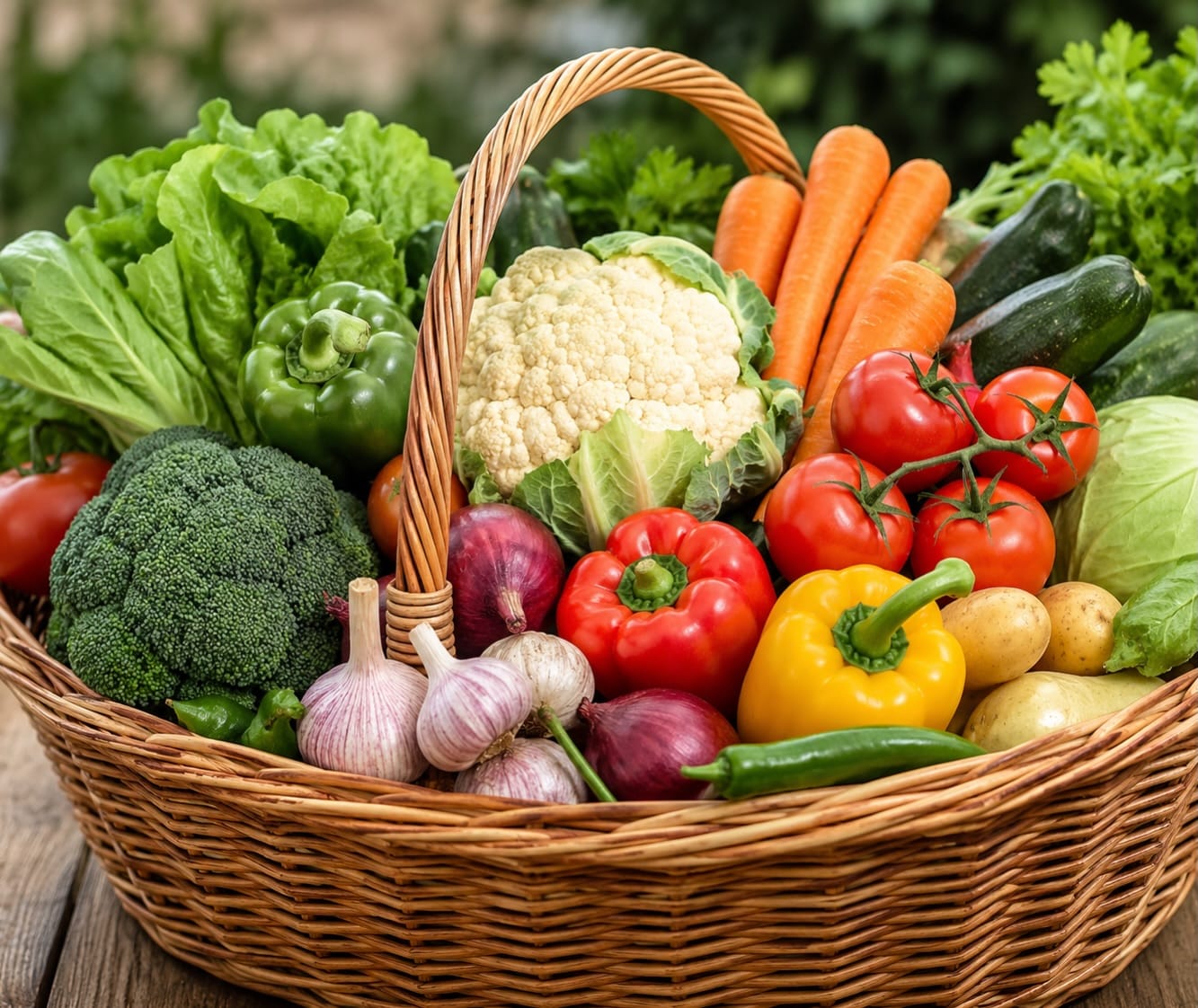
One of the best starting points for building a ZeroPoint meal is definitely the produce section. In fact, almost every fruit you'd find at a grocery store is on the list, including apples, bananas, berries, oranges, grapes, and melons. The list also includes non-starchy vegetables like broccoli, spinach, carrots, peppers, mushrooms, and tomatoes. When it comes to frozen options, they are allowed only if they contain no added sugar, oil, or sauce. The same applies to fruit canned in water and unsweetened vegetables.
However, juice does have Points, and ingredients such as butter, dressings, or other toppings are tracked separately as well in this system.
Eggs, Poultry, Lean Meat, Fish, and Shellfish
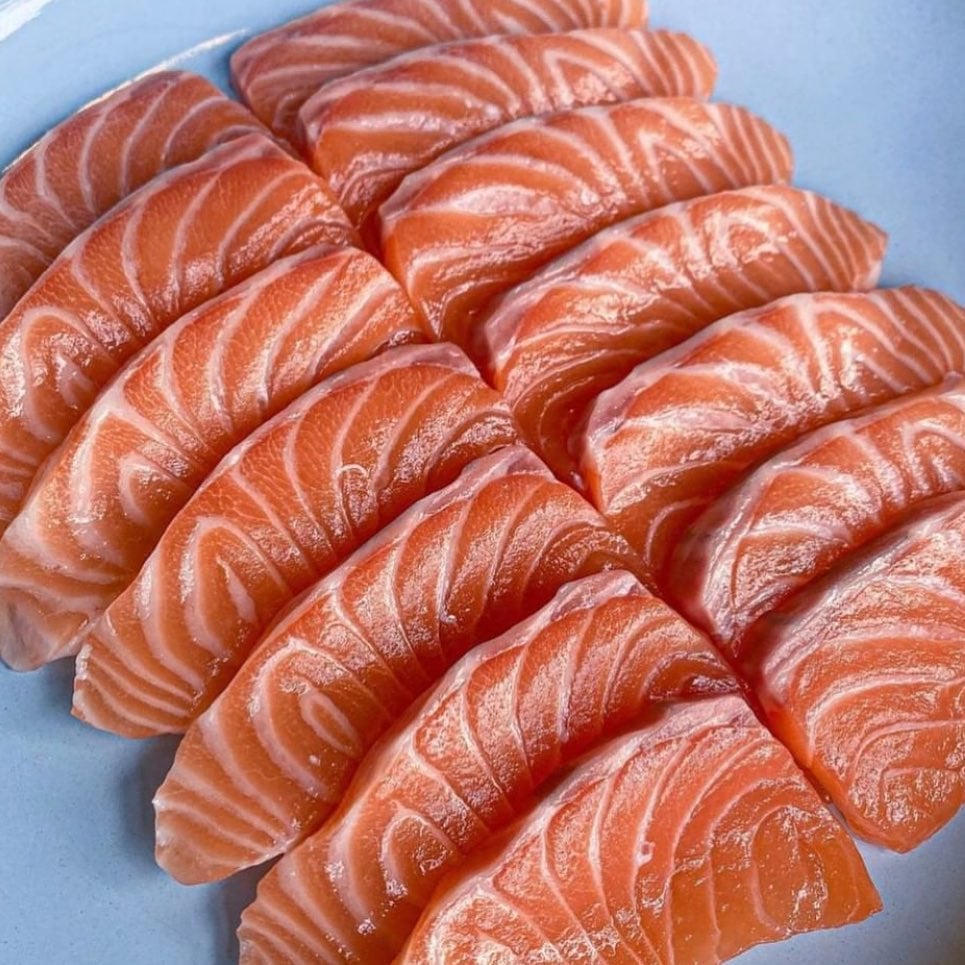
The second big group of ZeroPoint foods is, of course, protein. The simplest foods in this category include whole eggs and egg whites, as well as skinless chicken and turkey, including breasts, thighs, legs, and drumsticks.
The list also contains selected lean parts of beef, pork, bison, and other meats. Fish and shellfish offer even more variety, and you can have salmon, tuna, and cod to shrimp, crab, and mussels.
One thing you need to be aware of, though, is that it matters how you cook these ingredients. If you use breading, fry your protein in oil, add creamy sauces, or eat them with poultry skin, you need to know that these foods add points and need to be tracked.
Beans, Lentils, Tofu, and Tempeh
If you prefer vegan sources of protein, WeightWatchers recommends ZeroPoint foods such as beans, chickpeas, lentils, split peas, edamame, tofu, and tempeh. Among those, beans and lentils are especially rich in fiber. If you aren’t vegan, chances are that you haven’t tasted tofu and tempeh before, or at least don’t use them on a daily basis, but actually, these foods can easily help you reach your protein goals without relying on meat. Just remember that flavored varieties, marinades, oil, and sauces always add Points.
Oats, Potatoes, Corn, and Popcorn
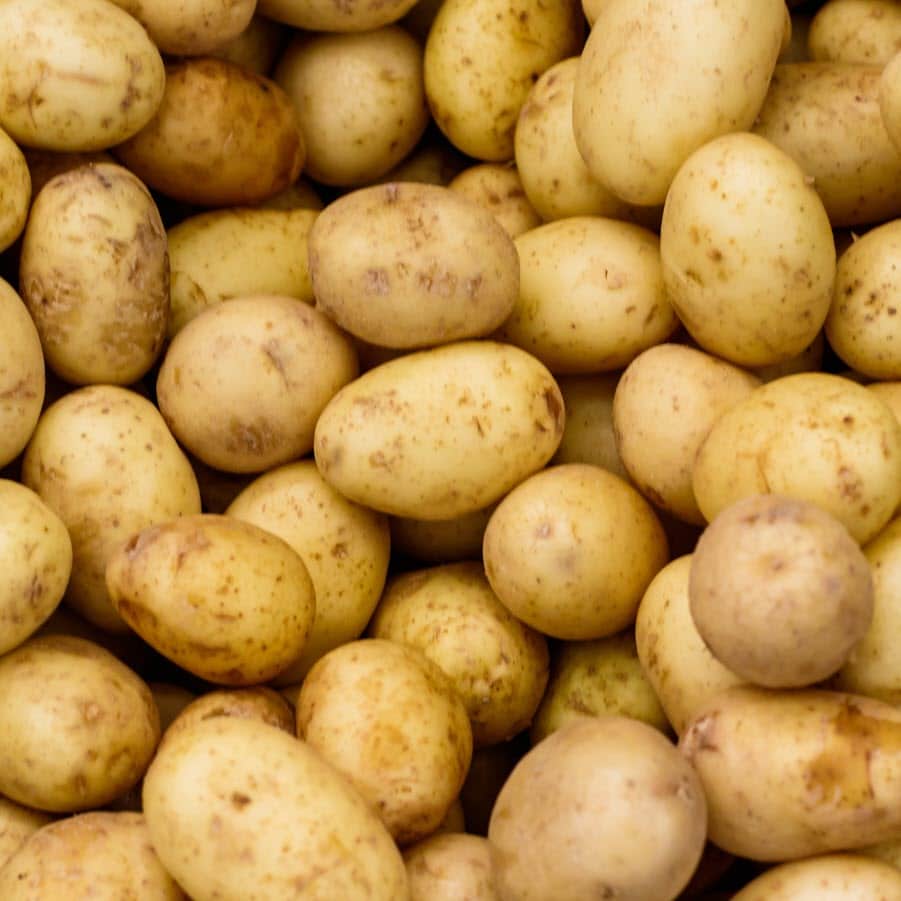
If you’re a fan of carbs, you should know that there are plenty on the list of ZeroPoint foods that you can enjoy without tracking. For instance, you can have plain oats for breakfast, while potatoes, sweet potatoes, and corn are ideal for lunch or dinner.
Interestingly, even air-popped popcorn is considered a zero-point snack, while many people think it’s unhealthy. Still, everything depends on how you prepare it. If you add some flavors to oatmeal and use spices for fries or butter or oil for popcorn, they can’t be ZeroPoint foods anymore.
Yogurt and Cottage Cheese
Finally, dairy lovers can always enjoy plain nonfat yogurt and cottage cheese without spending any of their daily Points. Greek yogurt is also included, but only as long as it is plain and fat-free. Therefore, you still have diverse options for breakfast that can include fresh berries, bananas, or oats. You can also use these dairy products as the base for dips, sauces, or savory snacks.
But here as well, you need to track flavored yogurt, full-fat varieties, granola, honey, nuts, and other additions separately.
Can You Eat Unlimited ZeroPoint Foods?
Now you know that there are plenty of healthy foods in the ZeroPoint list that you can use to build whole meals. It’s ideal that whatever you choose from this list, your foods don’t need to be weighed, measured, or tracked. Still, this doesn’t mean that you can eat unlimited amounts. After all, they still contain calories, and if you eat them beyond fullness, chances are that this can affect your progress. Based on WeightWatchers, you should instead begin with a normal portion and have more only if you’re hungry. So, just use these foods as the foundation of your diet and pay attention to your hunger signals.





Leave a Reply