

If you’re looking for a dish that immediately stands out on the table, Polish beet soup is difficult to beat. It’s hard to even believe that this soup is completely natural and doesn’t contain any additives because of its impressive color. While the appearance is definitely one of the main reasons why it’s getting more and more popular across the world, there are plenty of reasons, health and nutrition-wise, that have kept this soup a significant part of Polish cuisine for centuries.
In this article, we’ll explore what Polish beet soup is, introduce its history, and explain its benefits.
What Is Polish Beet Soup?
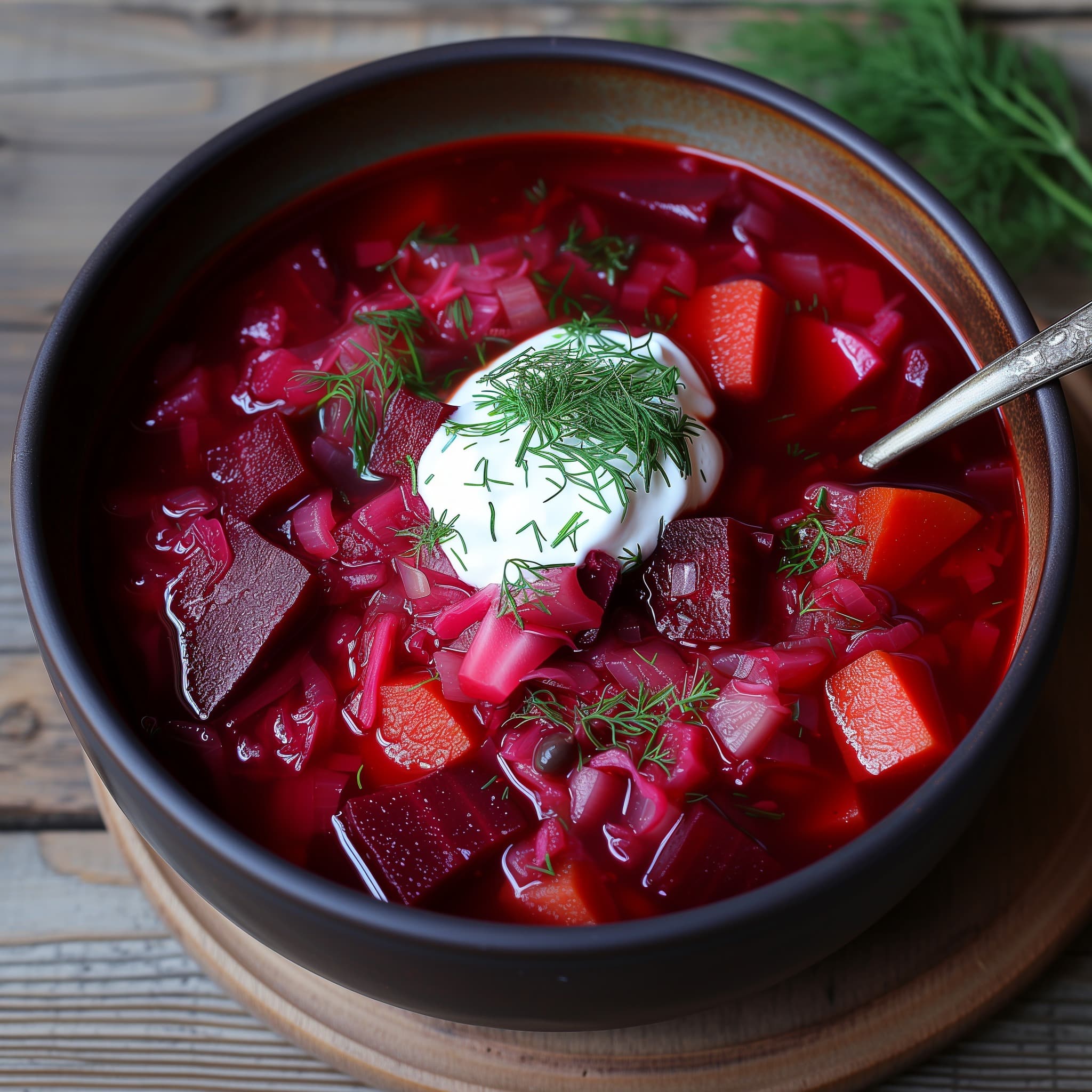
Polish beet soup is known as barszcz czerwony, which means “red borscht.” If you’re not very familiar with traditional soups, you might ask what “borscht” is. It’s actually a general name used for several sour soups that are popular across Central and Eastern Europe. Today, the most popular version is probably Ukrainian borscht, but the Polish one is different and pretty much unique.
Instead of being thick and full of cabbage, potatoes, beans, and other vegetables, Polish red borscht is usually served as a clear broth. Usually, Polish people use beets, carrots, celery root, garlic, bay leaves, allspice, and black pepper to prepare it. Some people even add vinegar or lemon juice for sour flavor, but the traditional version gets its sweet and sour taste from zakwas buraczany, a fermented beet liquid that takes several days to prepare.
Unlike many other soups, Polish beet soup shouldn’t include any large pieces of vegetables once it’s done. Because of this, sometimes it’s even served in a cup and enjoyed like a warm drink. Thus, it’s an ideal comfort food that makes fall evenings even cozier. Whenever Polish people are dealing with cold evenings at home, whether they are watching a film, reading, or using digital entertainment such as the Ice casino app, they can slowly sip warm barszcz without needing to sit down at a table for a full meal.
History of Polish Beet Soup
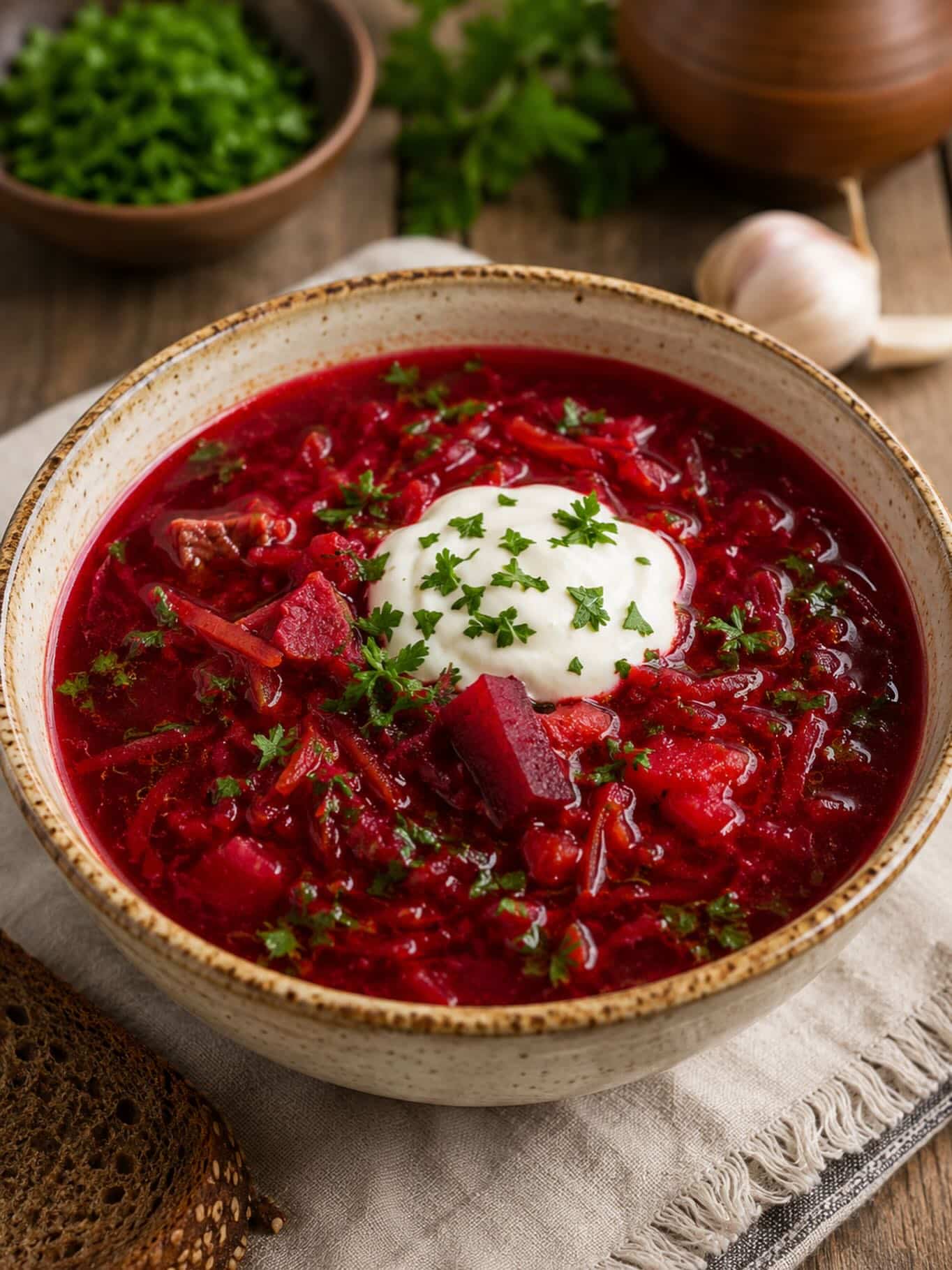
As surprising as it may seem, Polish beet soup wasn't originally made with beets. Instead, the name of the soup came from common hogweed, a plant that Slavic communities fermented and used to prepare a sour soup.
Later, beetroot became more and more common in Poland, and it replaced hogweed in most households. Beetroot was probably introduced to the country from Italy during the 16th century, but we don’t have any clear evidence that Poles prepared beet-based barszcz back then.
However, in the beginning of the 19th century, the red soup had already become a familiar part of Polish cuisine.
How Polish Beet Soup is Linked with Christmas
In general, you don’t need a special occasion to enjoy Polish beet soup. Polish people enjoy barszcz throughout the year, but the soup becomes especially important during Wigilia, the traditional Christmas Eve dinner. That is because there is a particular tradition associated with this meal during Christmas.
Specifically, Polish people enjoy 12 meatless dishes on Christmas once the first star appears in the sky. Most of the time, Polish beet soup is the first one among them. Therefore, the Christmas version of this dish has to be prepared without meat, so the soup is made with vegetables and sometimes dried mushrooms, then topped with small dumplings called uszka, which are filled with mushrooms.
Considering this, Polish beet soup has even more significance because it sets the tone for the whole night and possibly for the whole upcoming year.
Is Polish Beet Soup Healthy?
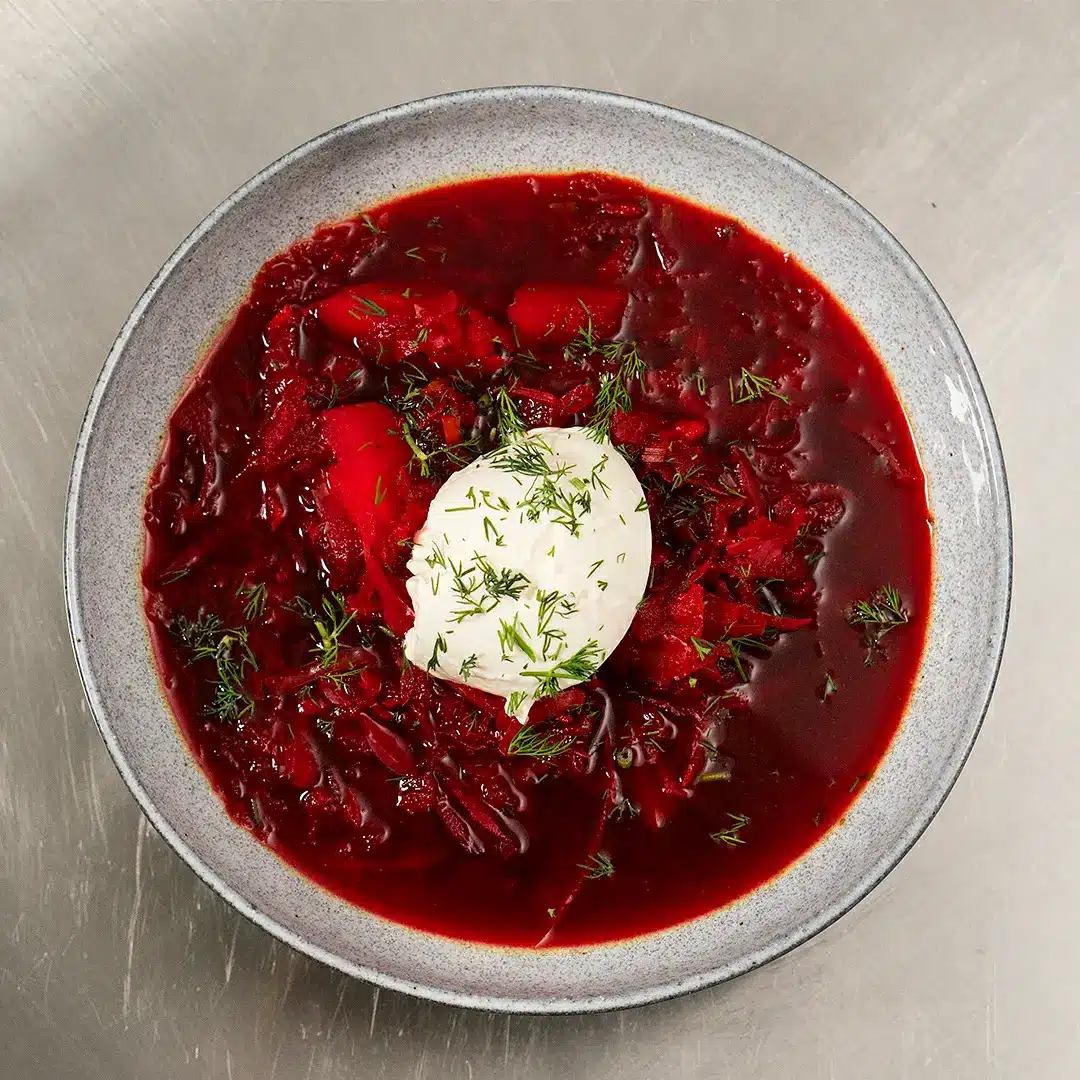
One of the main reasons why this soup is getting more and more popular among nutrition influencers and healthy food enthusiasts is its nutritional value. Specifically, beet is a vegetable that contains plenty of folate, potassium, and manganese, as well as some beneficial plant compounds known as betalains, which are also responsible for the soup’s impressive red color.
In case the soup is made with meat, it’s more filling and may provide a useful amount of protein. But even without meat, the broth can still contain nutrients extracted from beets, carrots, celery root, garlic, and other vegetables during cooking. This is not to mention the fact that the traditional recipe of this soup contains fermented beet liquid, which is ideal for the live gut bacteria.
Bottom Line
Now you know that Polish beet soup is much more than a colorful vegetable broth. Its history reflects the evolution of Polish cooking. Still, the history isn’t everything, and this traditional dish still has a very important place at the Christmas Eve table. So, if you’re looking for healthy and nutritious soup ideas that also look nice and provide plenty of health benefits, Polish beet soup may be hard to beat.





Leave a Reply