

Most of us know how important it is to drink enough water every day and how it helps us stay energized and support almost every essential function in the body. Still, even if you drink water regularly, you may notice that you continue feeling thirsty, tired, dizzy, or unusually weak. It’s easy to assume that you lack some mineral or have some kind of deficiency, but sometimes the reason could be simpler than that — drinking just any water isn’t enough to hydrate yourself.
The most important part of hydration is actually getting a sufficient amount of electrolytes. These are minerals that carry an electric charge when dissolved in water, such as sodium, potassium, magnesium, calcium, and chloride. Unfortunately, regular tap water doesn’t usually contain essential electrolytes.
In this article, we’ll introduce 7 signs that your body might need more electrolytes.
1. You Feel Constantly Thirsty
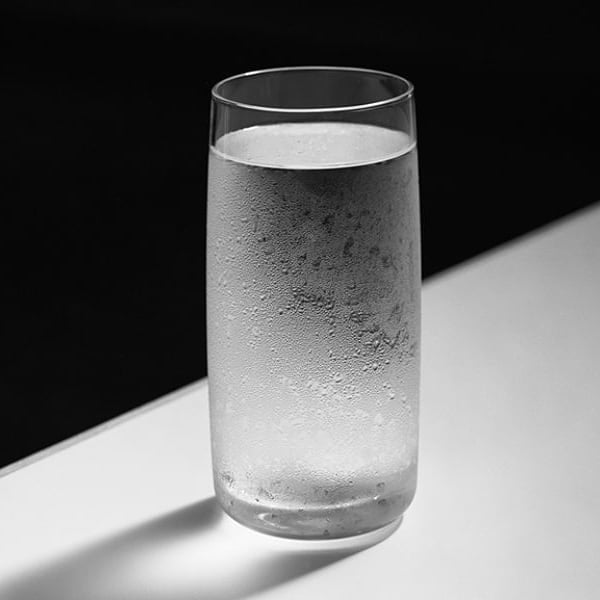
The most obvious sign is feeling thirsty even after you drink water. In general, when you exercise a lot and lose plenty of sweat, you also lose plenty of electrolytes, which require refilling. Still, it doesn't happen only after exercise, and another possibility is that your water just lacks essential electrolytes. A good sign of this is a dry or sticky mouth.
2. Your Urine Is Dark
Dark urine often scares people, but most of the time, it’s just a sign that you either haven’t been drinking enough water, have been taking too much caffeine, or have lost more fluid than usual. When your body tries to conserve water, your urine becomes more concentrated, and as a result, a yellow or darker color is expected.
Again, this can happen after an intense workout, a long day in hot weather, or any activity that makes you sweat too much. In these cases, it’s important to properly hydrate yourself. In situations like this, people often consider options such as the best electrolyte powder for hydration to replace some of the minerals lost through sweat.
3. You Feel Unusually Tired
This one can be a little bit trickier because it’s not easy to find out the actual reason behind exhaustion. Sometimes you might feel tired because you actually worked hard, either mentally or physically. Other times, you may have certain deficiencies, such as low iron, vitamin D, or vitamin B12. Of course, poor sleep, stress, and many health conditions can also make you feel unusually exhausted. But sometimes the reason is just dehydration from the lack of electrolytes. That’s why it’s worth focusing on adding them to your drinks and observing whether your energy levels improve.
4. You Feel Dizzy When You Stand Up
This is another common symptom of dehydration, and it’s usually associated with low blood pressure. But people don’t always realize that the real reason behind dropping blood pressure is losing too much fluid and electrolytes. Again, this is likely to happen after sweating, intense exercise, vomiting, or diarrhea.
5. You Have Strong Salt Cravings
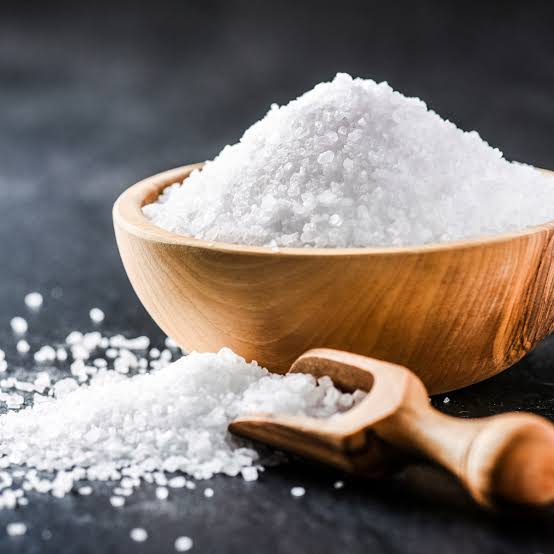
Many of us often crave foods such as salty crackers, potato chips, or pickles for no particular reason. Well, it turns out that these cravings can actually be related to dehydration. The thing is that salt is full of sodium, which is one of the most important electrolytes you may get from water. When you sweat, you lose a lot of sodium, and as a result, you may end up craving salty foods. Unfortunately, we often reach for junk foods to satisfy these salt cravings, while simply adding a pinch of salt to your water might fix your dehydration.
6. You Feel Nauseous
Believe it or not, you might feel nauseous simply because you’re not properly hydrated. Unfortunately, when your electrolytes are out of balance, symptoms such as nausea, vomiting, diarrhea, and constipation may appear.
The trickiest part here is that digestive problems can both cause and worsen an electrolyte imbalance. Vomiting and diarrhea make you lose water and important minerals, while the resulting imbalance also leaves you feeling even more nauseous and weak.
7. Your Heartbeat Is Irregular
One last sign you may experience because of the lack of electrolytes is an irregular heartbeat. In order for your heart to beat steadily, you need electrolytes like potassium and magnesium. Therefore, if these are out of balance, whether too high or too low, you might notice that your heart is beating unusually fast, skipping beats, or fluttering.
Bottom Line
Even though electrolytes work quietly in the background and their effects are hardly noticeable, now you know how much these minerals contribute to the healthy functioning of your body. So if you notice any of these 7 signs above, try adding more electrolytes to your drinks, hydrate yourself properly, and see if they keep occurring. And always remember that while adding salt to your water or getting some supplements to include electrolytes in your diet is beneficial, you can also get enough electrolytes by following a balanced diet.





Leave a Reply