

When we choose foods, we usually think about how they taste, how healthy they are, or how easy it is to prepare them. But for many cultures around the world, nutritional value and the way particular meals look aren't everything. In fact, in many countries, certain foods are associated with specific symbols and have a much deeper meaning because of their shape, color, name, or connection to an old tradition.
In this article, we’ll introduce 5 foods that are considered symbols of good health. Of course, eating one particular food can’t guarantee that you’ll remain healthy, but who knows, maybe they can help you attract prosperity.
1. Longevity Noodles in China
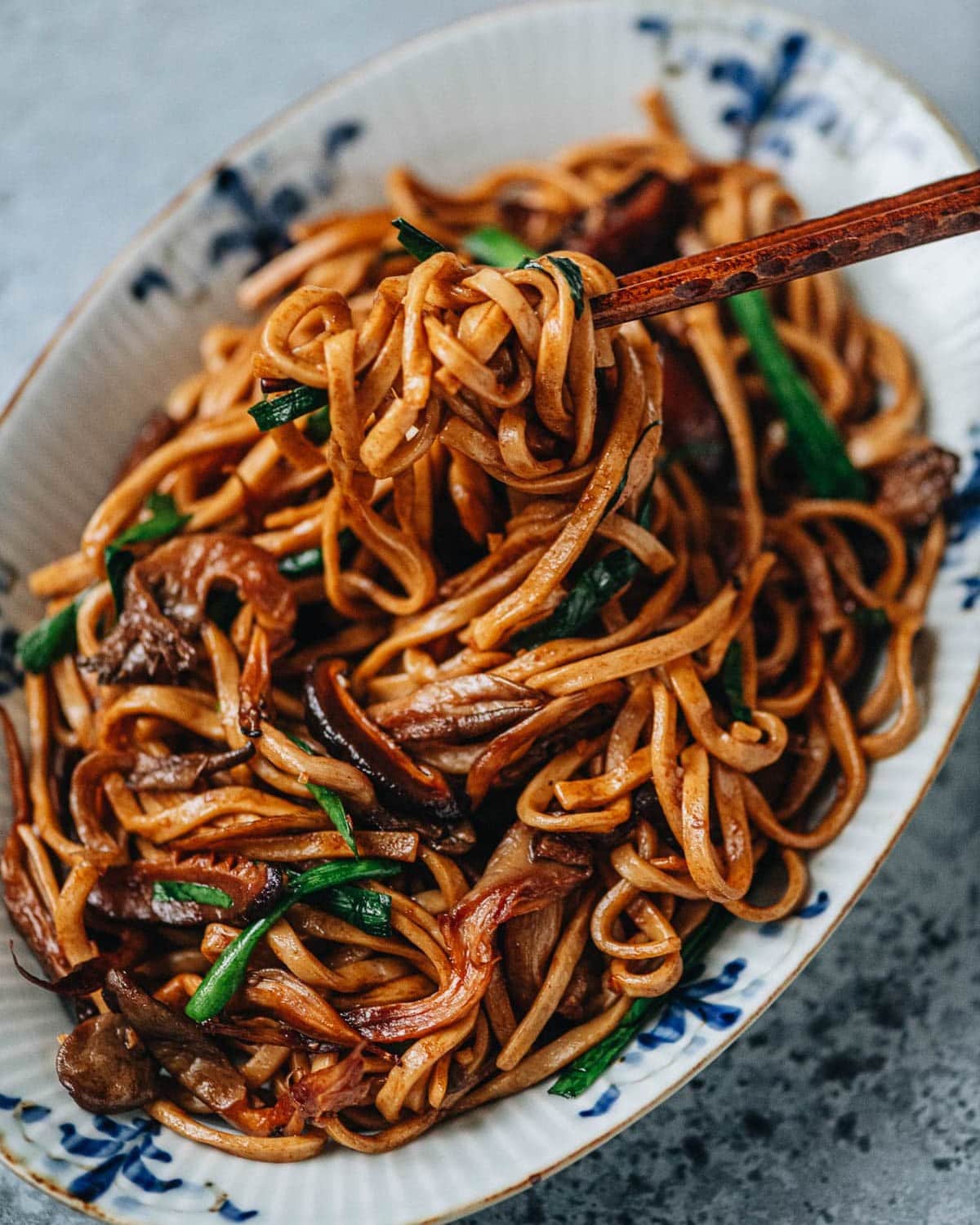
If there’s one food that is widely known as something that can bring good luck, it’s definitely longevity noodles from China. The name itself already suggests that noodles symbolize a long and healthy life. Chinese people usually serve them during birthdays, Chinese New Year, and other important celebrations when people want to wish someone good health and many more years to come.
The tradition is very simple — the long shape of the noodles represents a long and healthy life. In order to attract luck, you need to eat the noodles without cutting them. If they break, that would symbolically shorten the life you are wishing for. As a result, people in China always try to cook and serve them as long as possible to avoid breaking them.
People have always enjoyed surrounding uncertain outcomes with lucky symbols. And these days this habit is everywhere, including in modern entertainment. For instance, Sweepstake slots are full of charms, fruit, and good-luck icons that people recognize immediately. In this case, encountering a noodle doesn't promise an actual longer life, but you may find your luck in plenty of other ways.
2. Seaweed Soup in South Korea
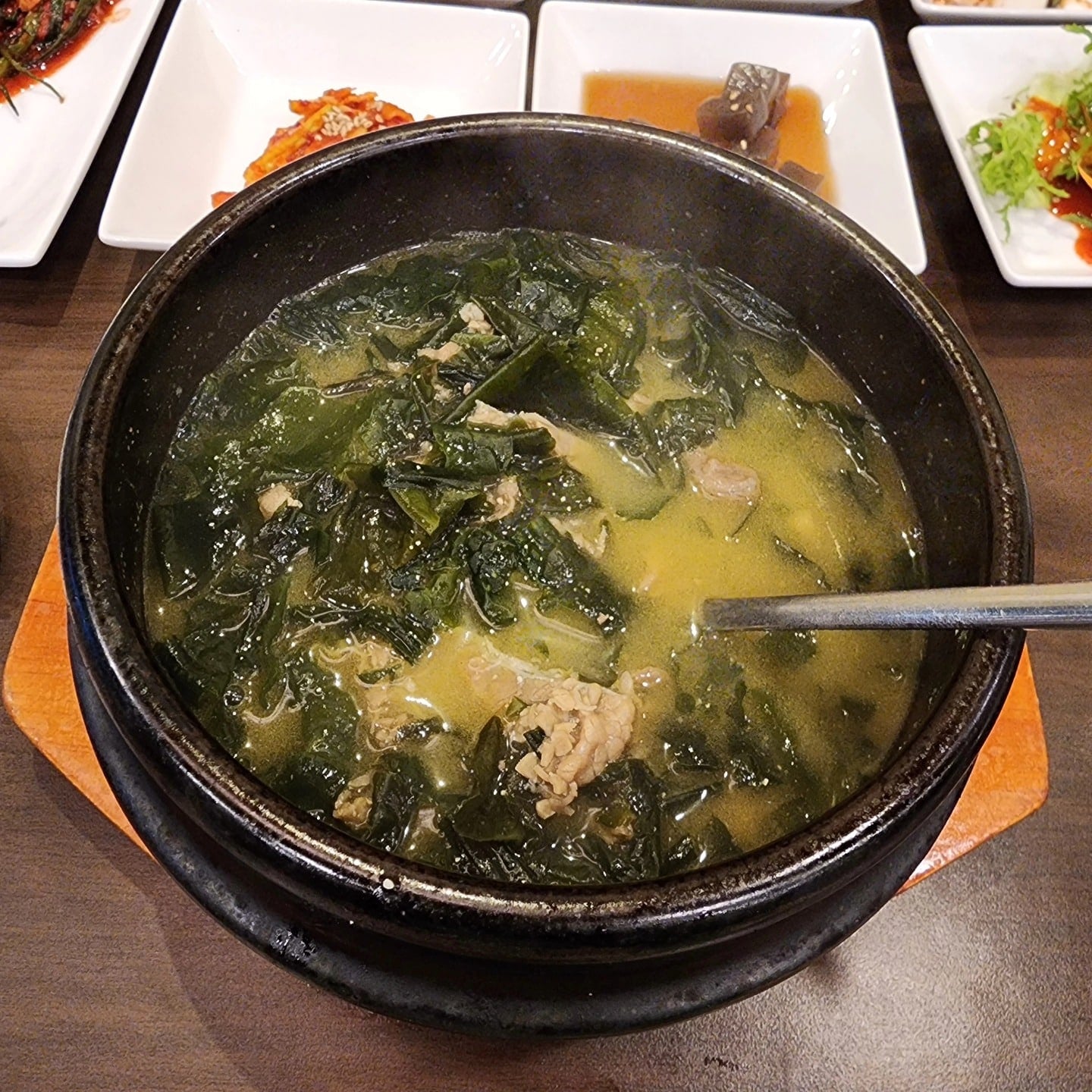
Asia is definitely a leader when it comes to good luck traditions. In addition to China, South Korea also has a very nice food-related tradition that symbolizes good luck. In particular, in South Korea, birthdays are associated with miyeokguk - a mild soup made with seaweed. This tradition actually begins before a child’s birthday.
In Korea, seaweed soup is believed to support recovery. Considering that mothers always aim to take care of their newborn and recover well after giving birth, it’s a tradition to eat this soup after a child is born. As a result, Koreans often eat the same soup on their birthday to honor their mothers and remember the care they received at the beginning of their lives.
3. Kuromame in Japan
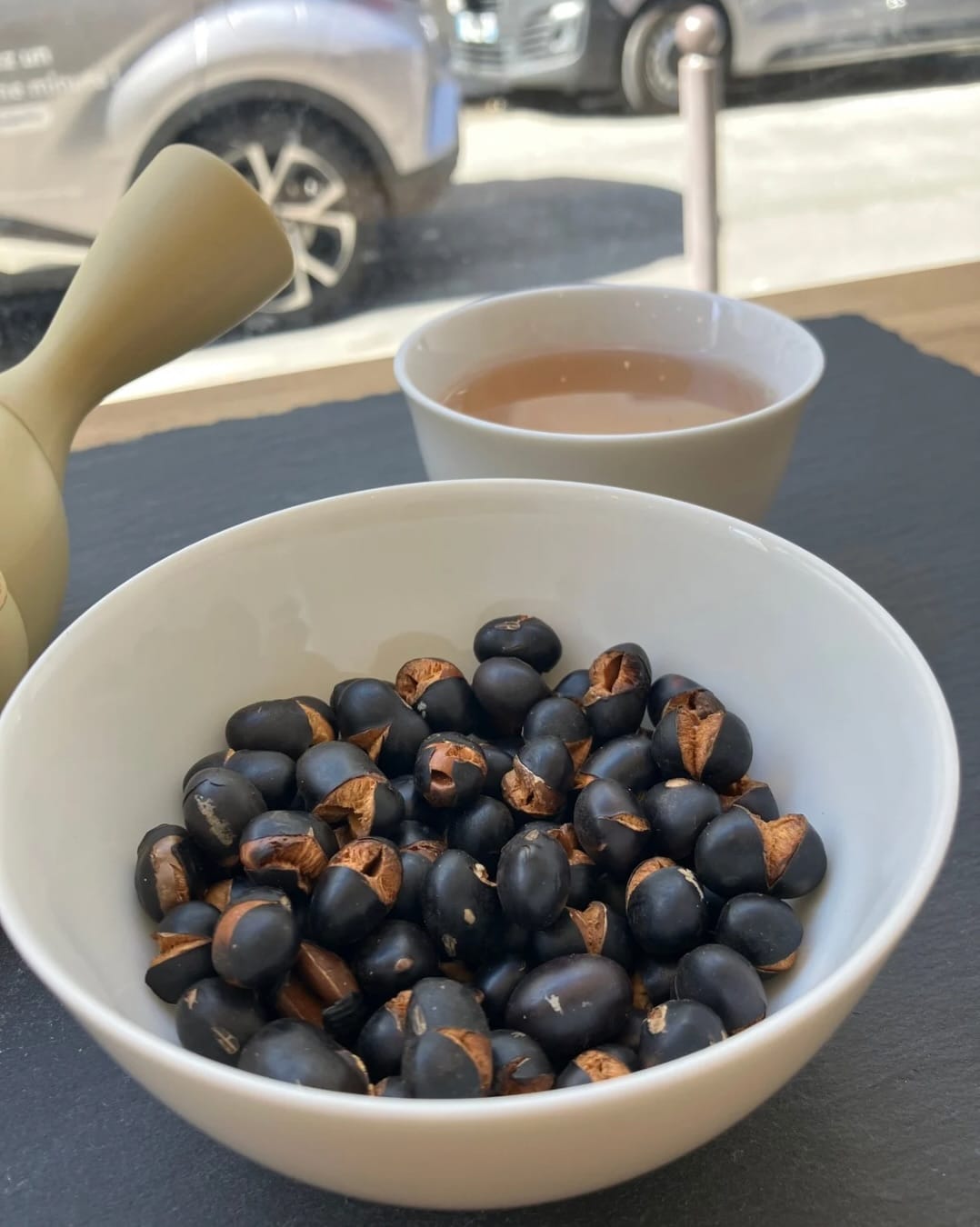
When it comes to Japan, one of the most common foods traditionally associated with good health and luck is kuromame. These are sweet black soybeans, and they are usually served as part of osechi ryori, the collection of symbolic dishes. Therefore, it’s an essential dish in traditional Japanese New Year celebrations.
The word ‘mame’ in Japanese means “bean,” but it can also suggest being healthy, hardworking, and diligent. As a result, eating kuromame expresses the wish that you’ll remain healthy and have enough energy to work throughout the coming year.
4. Apples and Garlic in Iran
The Iranian tradition for lucky foods is quite unique. In fact, Iranians treat two simple ingredients, apples and garlic, as something that can bring prosperity in your life. But here as well, you need to know how to use them according to tradition.
The backstory of this tradition is that Iranian families celebrate Nowruz, or Persian New Year, by arranging a symbolic table called the Haft-Seen. It usually contains seven items whose Persian names begin with the letter “S,” and each one represents something people hope to welcome into the new year.
In general, apples symbolize beauty and good health in Iran, while garlic is a symbol of medicine and protection from illness.
5. Pomegranates in Greece
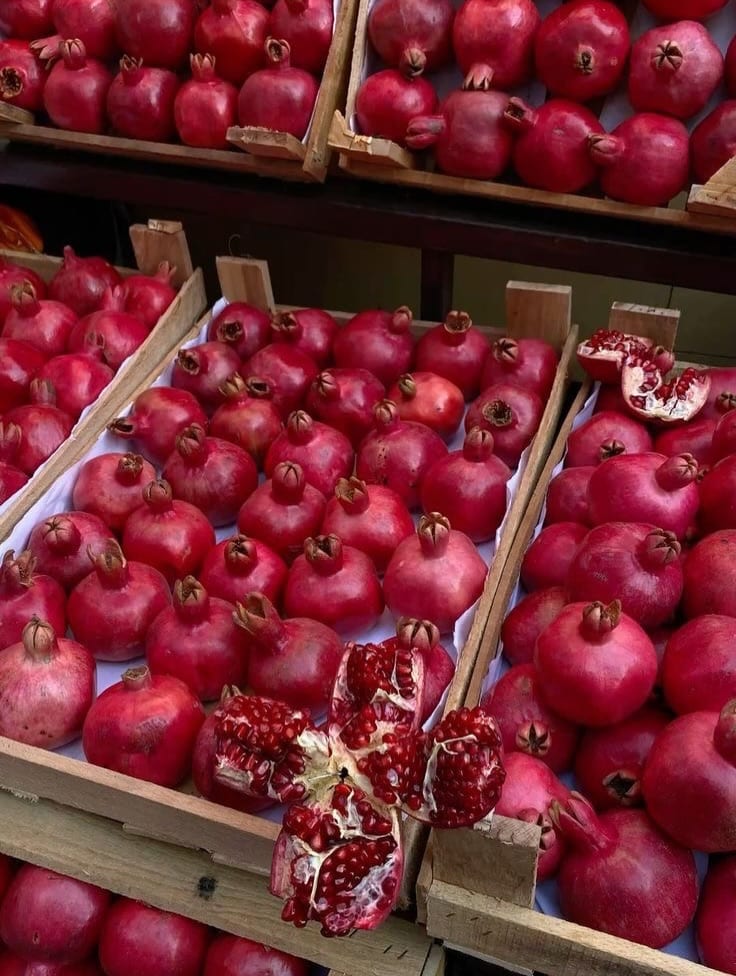
One more country that is famous for its traditions related to good health and fortune is Greece. Here, the pomegranate has been a symbol of life, fertility, prosperity, and abundance since ancient times. The reason is that this fruit has hundreds of red seeds, and each of them is a natural representation of plenty of opportunities.
The most famous tradition Greek people have related to this fruit takes place at New Year. When a family returns home, the head of the household smashes a pomegranate at the front door. The idea is to scatter the seeds across the doorstep. That way, the family may experience more health, happiness, and good fortune during the coming year.
Bottom Line
If you’re looking for ways to enhance your fortune or are in a situation where extra good luck wouldn’t hurt, maybe it’s worth giving these lucky foods a try. We can’t say they can 100% bring good luck, of course, but it’s worth a try to make them at least a part of your festive table and see how you can benefit from traditions that have been passed down for generations.




Leave a Reply