

When it comes to comfort foods, noodles are one of the options people naturally reach for. They are warm, filling, easy to prepare, and can be served with almost anything you already have at home. However, for some cultures across the world, noodles are much more than just a comfort food. This is especially true about Japan.
Japanese people treat noodles almost as something sacred. While it’s a bit of an exaggerated claim, during New Year's, one particular noodle dish has a special place on Japanese tables. It’s called toshikoshi soba, which can be translated as “year-crossing noodles.” The main reason why people in Japan treat it as a symbol of luck is related to its shape — thin noodles represent longevity.
In this article, we’ll introduce Toshikoshi Soba and explain the tradition of this significant Japanese dish.
What is Toshikoshi Soba?
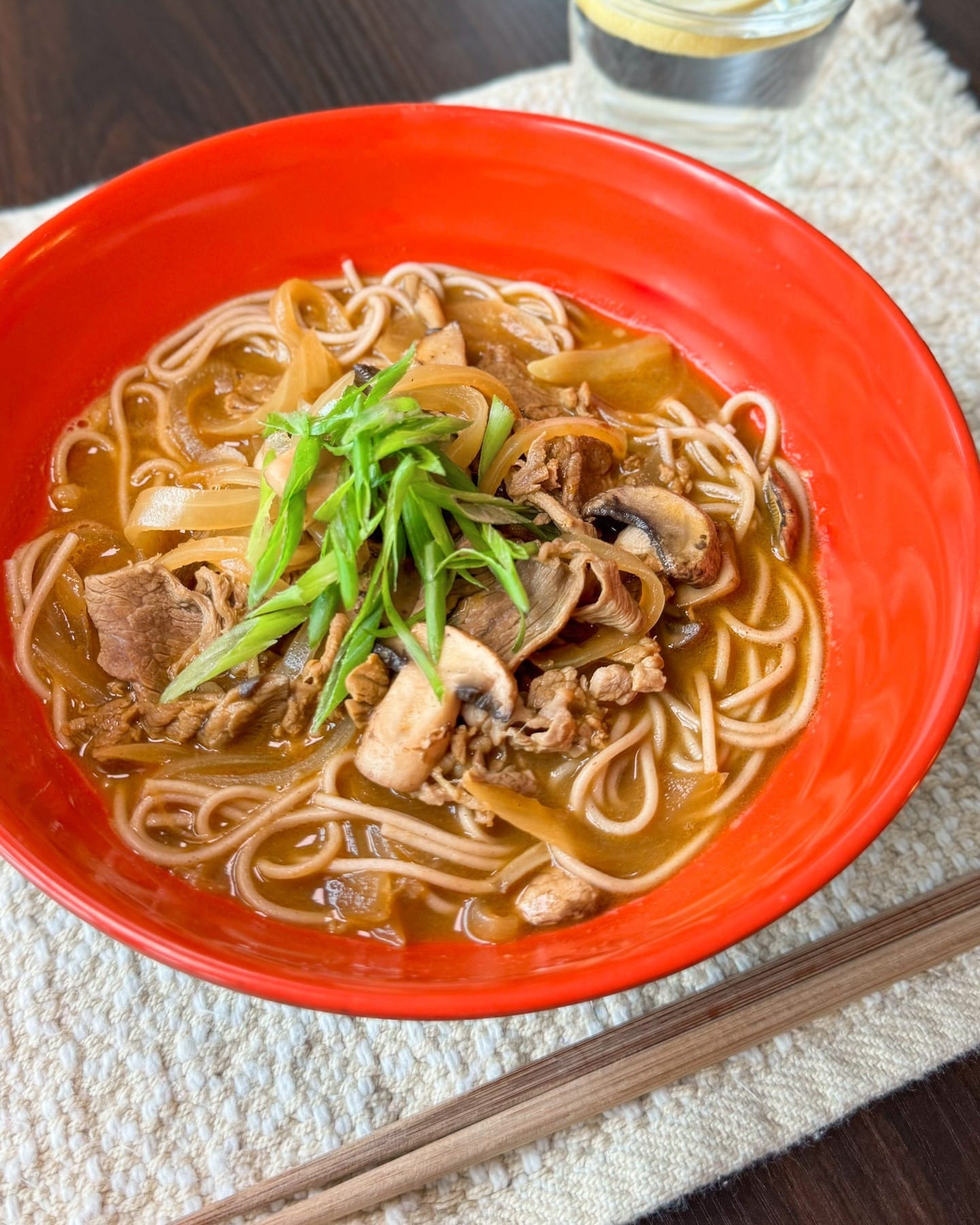
Toshikoshi soba is a Japanese noodle dish traditionally eaten on ōmisoka — Japanese New Year’s Eve. The word "toshikoshi" means “crossing the year,” while "soba" refers to thin noodles that are often made from buckwheat flour. Because of this, both the taste and the nutrition of these noodles are different from regular noodles that are sold in the stores. Instead, they are much healthier than noodles made from wheat or rice and may provide more fiber, protein, minerals, and beneficial plant compounds.
Other ingredients of this dish usually include a light broth made with dashi, soy sauce, and mirin. The rest of the ingredients vary. For instance, some families like to add green onions, seaweed, mushrooms, tofu, egg, fish cake, or tempura shrimp as toppings. Others prefer to serve the noodles cold with a side dip.
The New Year Tradition Behind Toshikoshi Soba
It’s nothing new that people always search for ways to begin the new year with a little extra luck. These days, this idea is noticeable literally everywhere, including in modern entertainment through promotions such as casino free spins or just random games people play during casual New Year gatherings. In Japan, one of the traditional ways to welcome good fortune is much simpler: eating a bowl of toshikoshi soba.
It’s hard to say when exactly this tradition started or where it comes from, but it became common during the Edo period. Based on the most popular explanation, the fact that noodles used in this dish are long and thin, which became the reason why the dish is a symbol of long and healthy life. In addition, buckwheat is a resilient plant that can survive difficult weather conditions, so it became associated with strength and the ability to recover.
At the same time, you need to know that soba noodles break more easily than wheat noodles. This, in turn, means that you can easily “lose” your luck while eating this dish during New Year's. Consequently, the custom is to eat the noodles as carefully as possible and avoid breaking them at all costs. If you break a noodle during New Year’s Eve, you may experience bad luck, as Japanese people believe.
Is Toshikoshi Soba Actually Healthy?
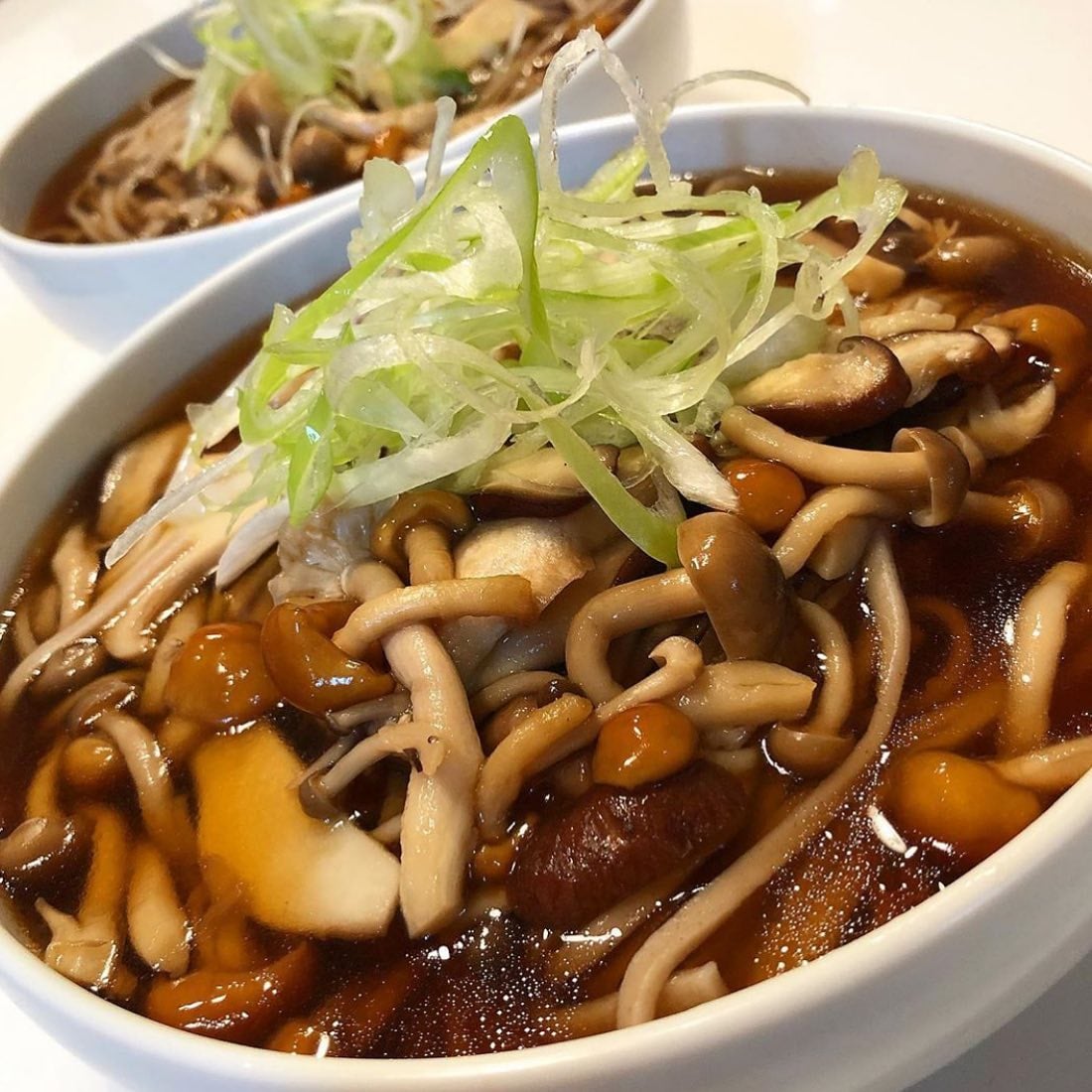
If you’re concerned about the nutrition of toshikoshi soba, luckily you can easily treat yourself to this dish either on New Year’s Eve or as a regular part of your routine because it’s definitely healthier than regular noodles. First of all, buckwheat is a good source of protein, fiber, magnesium, and other nutrients. It also contains rutin, a beneficial plant compound known for its antioxidant properties.
But of course, a lot depends on the way you cook it, and it’s important to keep in mind other ingredients too. The most important part is still the choice of the noodles themselves. The thing is that some soba products are made fully from buckwheat flour, while others contain more regular wheat flour than buckwheat. That’s why you should always check the ingredients if you’re preparing the dish yourself.
As for the toppings, most of them can support your diet, as vegetables, mushrooms, seaweed, tofu, and eggs are all quite nutritious and healthy. Tempura usually adds extra calories but makes the dish very rich, and the soy-based broth may contain plenty of sodium.
So, try to choose as nutritious toppings as possible and use just a moderate amount of broth to finish the year in a healthy way.
Bottom Line
Now you know that toshikoshi soba is much more than an ordinary bowl of noodles. Thus, if you’re trying to attract good luck next year, like this Japanese tradition, and want to welcome New Year in a healthy and nutritious way, it’s definitely a good idea to prepare a warm bowl of these symbolic noodles.





Leave a Reply