

You can find numerous traditions across the world where specific foods symbolize good luck. Some of them are hard to understand. Others make sense right from the beginning. Either way, it’s always interesting to get to know a unique tradition that might promise fortune.
If you’re a fan of pomegranates, lucky for you, this fruit is a symbol of luck and abundance in some countries. This one isn’t difficult to understand - hundreds of seeds inside the fruit symbolize positive things you can experience, such as wealth, good health, happiness, and fertility.
In this article, we’ll discuss the symbolism behind pomegranates and explain how people use this healthy fruit in some cultures to attract luck and prosperity.
Why Do Pomegranates Represent Abundance?
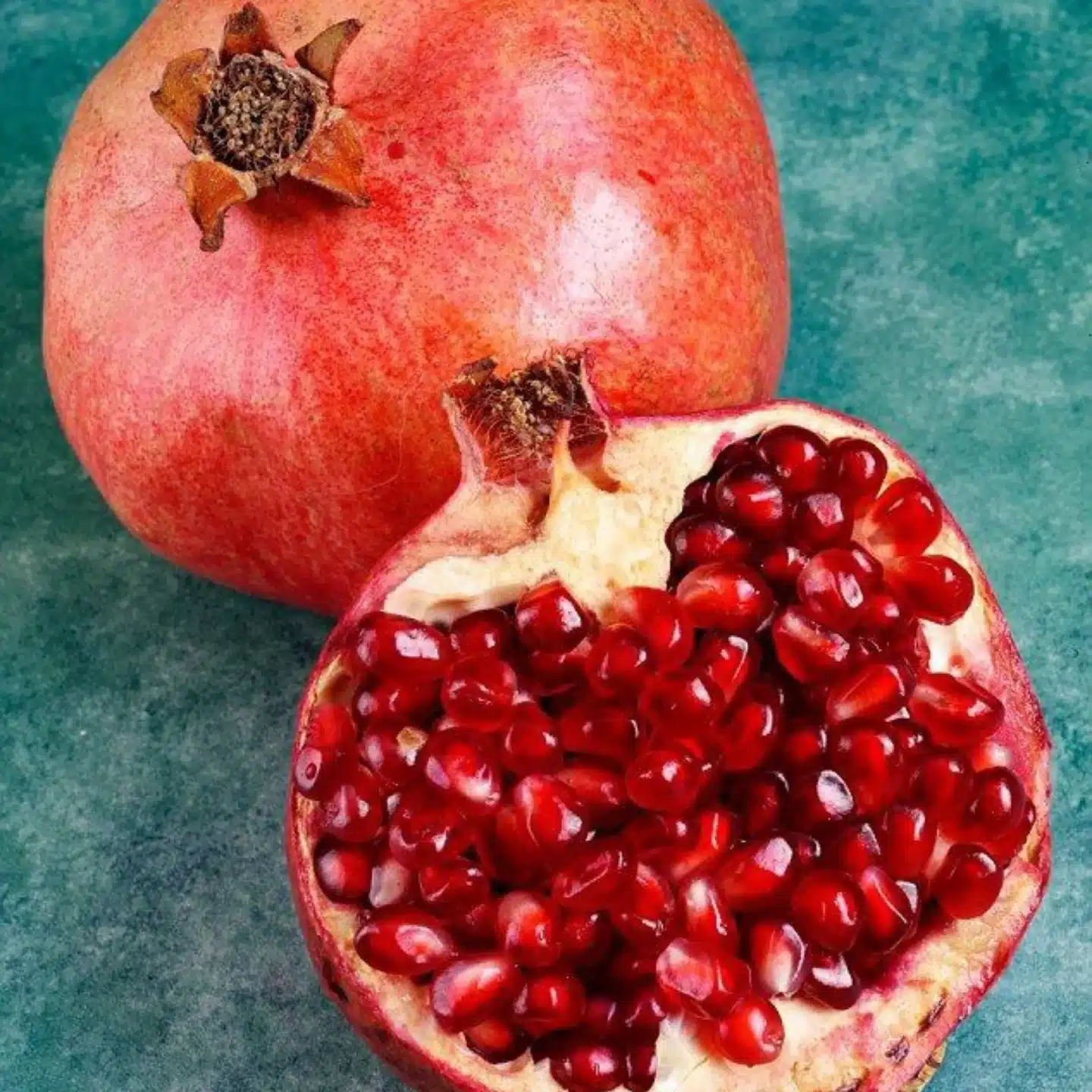
Let’s start from the beginning and see why this fruit that is a part of everyday lives for many people is related to luck. If you open a pomegranate, you can easily see that it's full of seeds that are hard to count. In fact, a single fruit can hold hundreds of them. Considering that people naturally associate abundance with something that is plenty, the pomegranate is a good symbol of wealth, fertility, and prosperity.
However, it’s not only about the seeds, and the color red also plays an important role in this symbolism. Red is often connected with life, energy, love, and good health. When these meanings are combined with the fruit’s many seeds, it becomes easy to understand why pomegranates appear during weddings, New Year celebrations, and other occasions related to fresh beginnings.
Of course, people have always enjoyed using symbols and rituals when hoping for a fortunate outcome, and the idea of spilling out the fortune all at once shows up in modern entertainment too, including games offered through a USDT casino. Here, the symbols of luck could be coins, jewels, lucky numbers, or even fruits that fill the screen when a favorable combination appears. In a way, this resembles cutting open a pomegranate and suddenly discovering hundreds of bright seeds inside.
Greek Tradition of Smashing Pomegranates
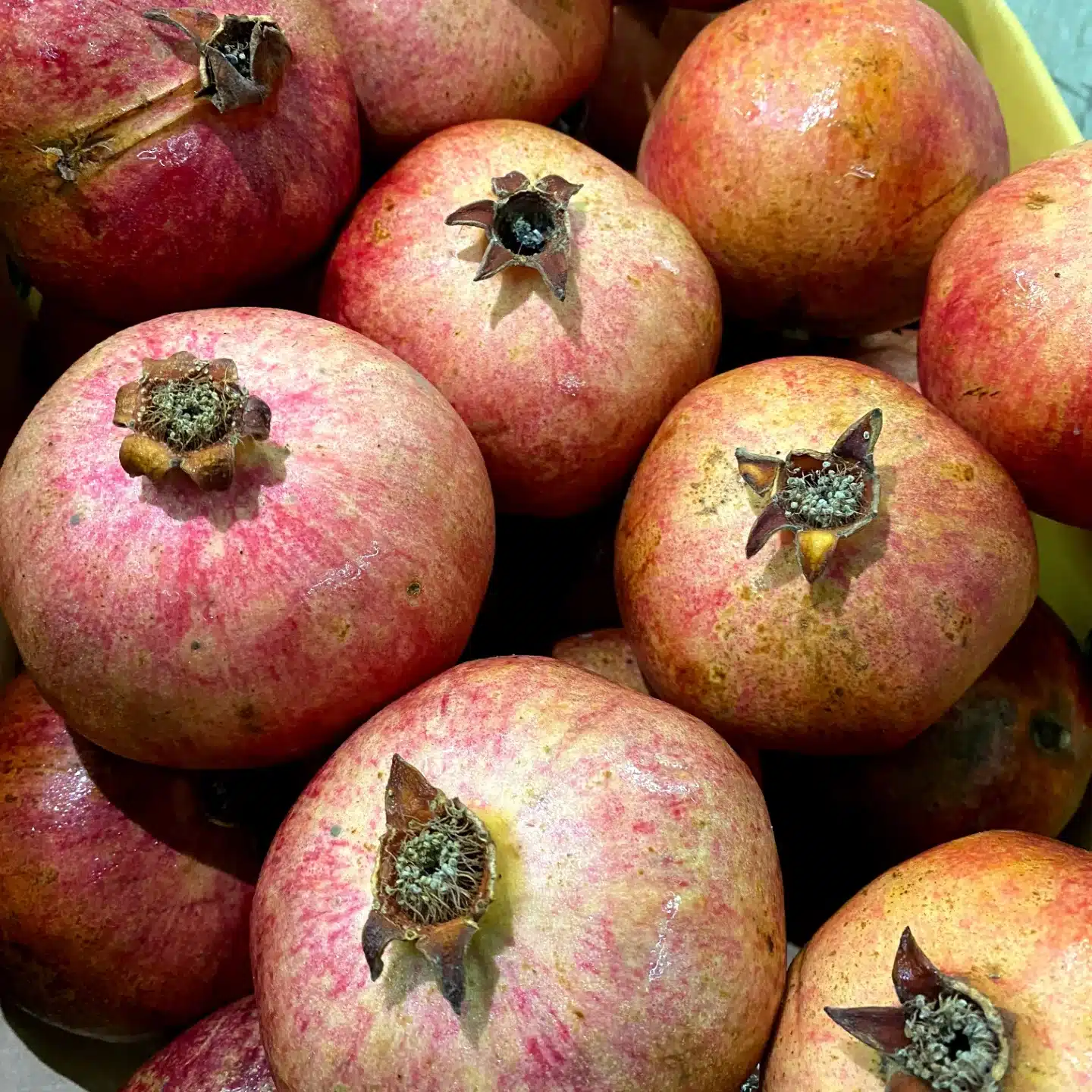
Different countries have different ways of attracting good luck using pomegranates. One of the most famous and oldest ones among them is the Greek one, which is also one of the most interesting ones.
On traditional Greek New Year’s Day, the head of the household may smash a pomegranate at the front door. The idea is that the more seeds are scattered across the doorstep, the more good luck, health, and happiness the family is expected to receive during the coming year. That’s because this fruit is generally considered a symbol of fertility, prosperity, and life in Greece since ancient times. In addition, there’s the myth of Persephone, who ate pomegranate seeds after being taken to the underworld by Hades. This myth connected the fruit with the changing seasons, death, and rebirth.
Jewish Tradition of Eating Pomegranates at Rosh Hashanah
Greece isn’t the only culture where pomegranates have an important place. In Jewish culture, people often eat this fruit during Rosh Hashanah, the Jewish New Year. The reason is that it’s one of the Seven Species mentioned in the Hebrew Bible and is traditionally associated with fertility, prosperity, and good deeds.
According to a popular belief, every pomegranate contains 613 seeds. This is the same number as the number of commandments in the Torah, and that’s why each seed is believed to represent one commandment.
Before eating the fruit, some people express the hope that their good deeds will become as numerous as the pomegranate’s seeds.
Iranian Tradition of Eating Pomegranates on Yalda Night
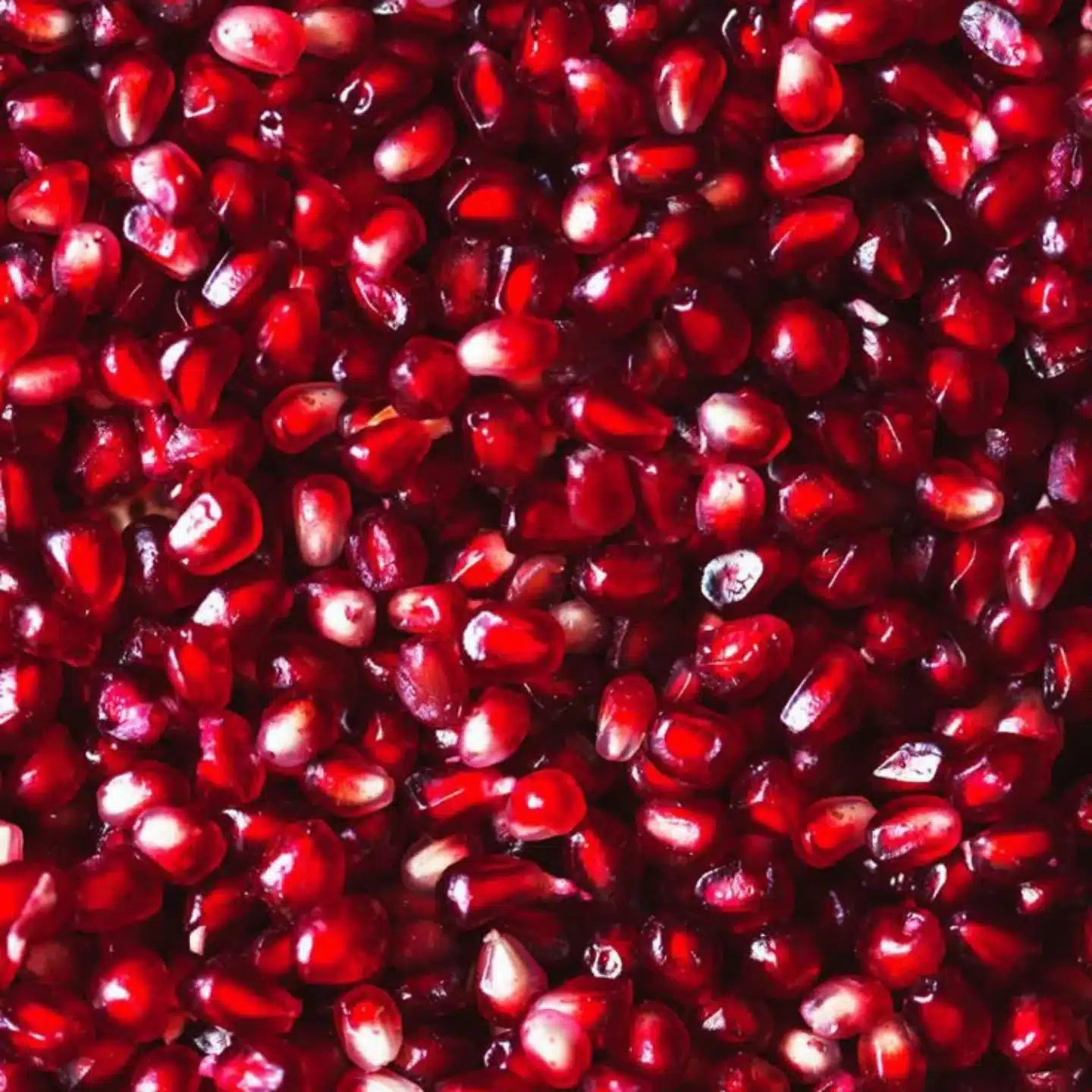
And then there’s the Iranian tradition where pomegranates are associated with Yalda Night, an ancient celebration of the longest night of the year. During this day, families gather and stay awake until late, read poetry, and enjoy symbolic foods such as watermelon, nuts, and pomegranates.
Considering that the red color of the fruit represents the sunrise, life, and the return of light after darkness, Iranian people associate it with fertility and abundance. Therefore, eating pomegranates on Yalda Night is a sign of hope that the months ahead will bring health, happiness, and prosperity.
Bottom Line
Now you know that pomegranate isn’t just another healthy fruit that you can eat in order to support your heart health or reduce inflammation. They are meaningful in Greek, Iranian, Jewish, and several other cultures.
Of course, smashing one at your doorway or eating it during a celebration doesn’t necessarily bring you luck, but these traditions indeed turn a healthy fruit into a meaningful wish for a positive future. Even without the promise of good luck, its nutrients and refreshing flavor provide plenty of reasons to enjoy it.





Leave a Reply