

Think about a typical breakfast, and chances are that your mind will automatically start generating images of eggs, avocados, oatmeal, sourdough, or perhaps a bowl of cereal. But ask someone from Malaysia what they had for breakfast, and there's a good chance the answer will be far from this idealized Western breakfast.
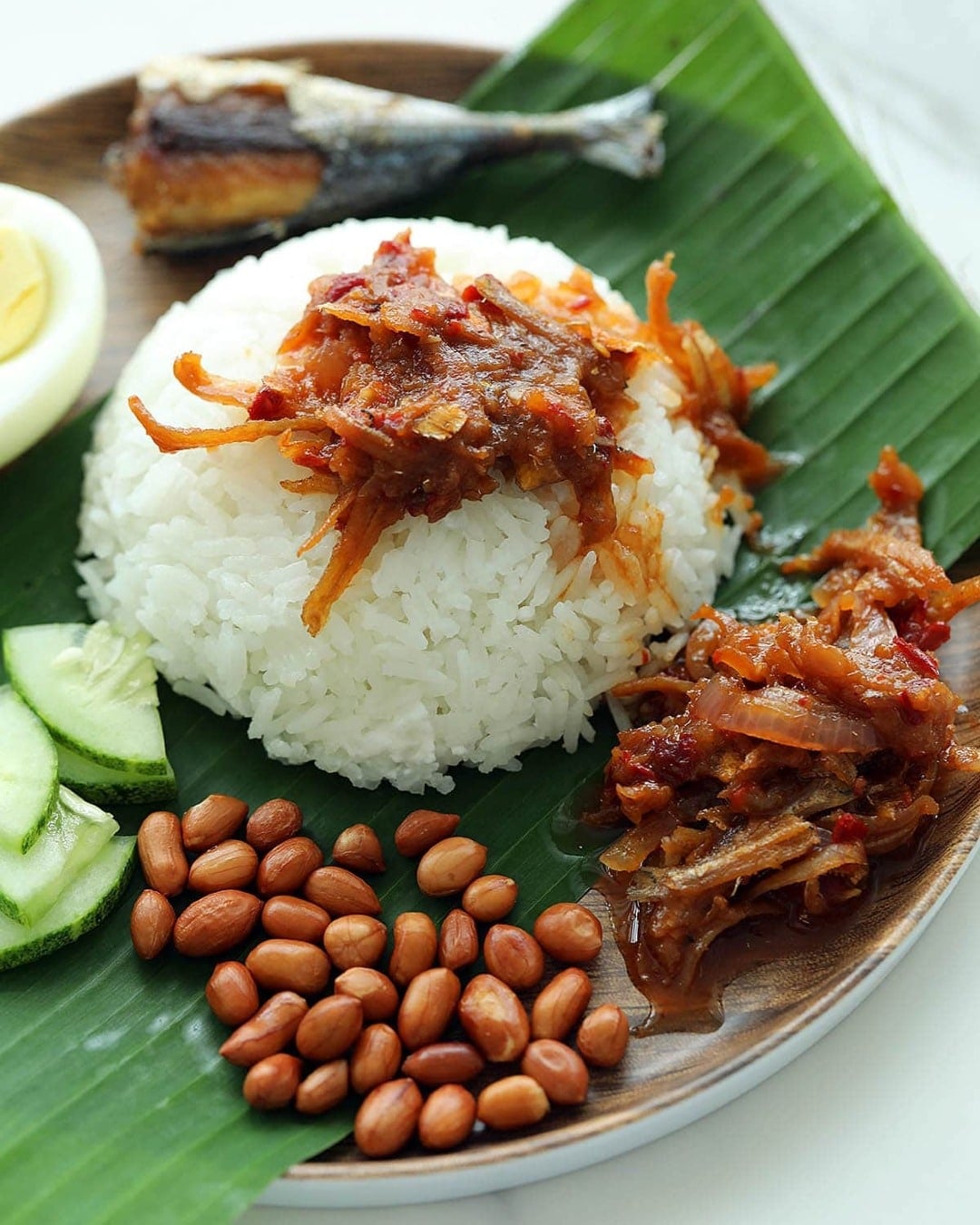
One particular type of meal Malaysian people usually start their day with is called Nasi Lemak — no more, no less, a dish that grew out of street food culture and has become a part of national pride in the country. This dish consists of ingredients that Western people can’t even picture as a part of breakfast: rice cooked in coconut milk, wrapped in banana leaf, and served with sides, such as spicy sambal, crispy anchovies, peanuts, cucumber, and, well, an egg.
This simple combination has turned into something people crave at any hour of the day. And today, we’ll explain the nutrition and health benefits behind this dish.
What Is Nasi Lemak?

The easiest way to describe nasi lemak is rice cooked with coconut milk. But if you ask locals, they will probably convince you that this simple description doesn’t really explain why Malaysians love it so much.
The word “nasi” in the Malay language means "rice," while “lemak” translates as "fat" or "grease" and describes something that is creamy. Locals usually add pandan leaves too in order to give the dish a sweet aroma that’s easily noticeable before you even open the banana-leaf packet.
Considering how affordable and convenient it was, nasi lemak was traditionally considered a practical breakfast for farmers and laborers who needed something filling before a long day of work. The best part was that it was a portable breakfast, as it could be wrapped in banana leaves and carried around without any plates or containers.
These days, it has already become an everyday meal in all of Southeast Asia that can be found everywhere. You can even encounter nasi lemak at late-night gatherings and football matches, where food often becomes part of the entertainment alongside activities such as watching the game or checking Malaysia online betting platforms.
And such convenience is probably one of the main reasons why nasi lemak has become Malaysia’s unofficial national dish.
Traditional Nasi Lemak Ingredients
The most important ingredient of nasi lemak is, of course, the rice. But it’s not just any type of rice. Instead, rice needs to be cooked in coconut milk and pandan leaves instead of just water so that it can have a slightly sweet base.
In addition to these main ingredients, a basic plate of nasi lemak usually contains:
- Sambal, which is a spicy chili paste prepared with chilies, shallots, garlic, shrimp paste, sugar, and tamarind.
- Fried anchovies, known as ikan bilis
- Roasted or fried peanuts
- Cucumber slices
- A boiled or fried egg
These ingredients aren’t random, though. Each of them has a specific role in how the dish comes together. For instance, peanuts add crunch, the anchovies bring saltiness, an egg makes the dish more filling, and the cucumber is a great way to balance the richness of the coconut rice. Simply put, nothing on the plate is accidental.
Nasi Lemak Nutrition and Calories
While most of the ingredients in nasi lemak are nutritious and offer at least some health benefits, it’s also packed with calories, and that’s why it’s important to be aware.
A basic serving usually contains around 400 to 500 calories. Usually, it depends on the portion size and what kind of toppings you choose. For instance, if you add fried chicken, extra rice, more peanuts, or oily sambal, the final number can become much higher.
In general, 100 grams of coconut rice contains approximately 169 calories, 25.3 grams of carbohydrates, 5.7 grams of fat, and 4.2 grams of protein. However, that number doesn’t include any of the sides served with it.
While rice is the main source of carbs in this dish, the coconut milk and peanuts contribute to healthy fat, and an egg, anchovies, chicken, and other meat toppings increase the amount of protein. Therefore, nasi lemak can contain all three main macronutrients, but larger portions and fried additions usually add more calories.
Does Nasi Lemak Have Health Benefits?
As you probably assumed from the ingredients, nasi lemak comes with plenty of significant health benefits. First of all, rice is one of the best sources of carbs, as it provides the body with the energy it needs to function throughout the day. This is also one of the reasons why nasi lemak works so well as a filling breakfast.
Obviously, a good breakfast needs a stable source of protein, and in nasi lemak, that protein source is eggs and anchovies, which also contain calcium, as they are often eaten with their bones. Peanuts also contain protein, but they are also a great source of unsaturated fats and several important minerals.
Cucumber adds a small amount of fiber, vitamins, and hydration, while sambal usually contains chilies, onions, garlic, and tamarind. Still, its nutritional value depends on how much sugar, salt, and oil are used.
In the end, nasi lemak can offer plenty of health benefits, but you should also keep in mind that not every version of this meal is equally healthy, especially when it includes large portions or several fried toppings.





Leave a Reply