

If you’re a vegetarian, chances are that one of your daily quests is to get enough protein. When you’re tired of soybeans and all the products made from them, it’s easy to assume there aren’t many satisfying alternatives to meat. Fortunately, you can follow a vegetarian diet without necessarily including tofu in every meal.
In this article, we’ll present and explain some of the best vegetarian protein sources that are easy to include in your everyday meals.
1. Lentils and Beans
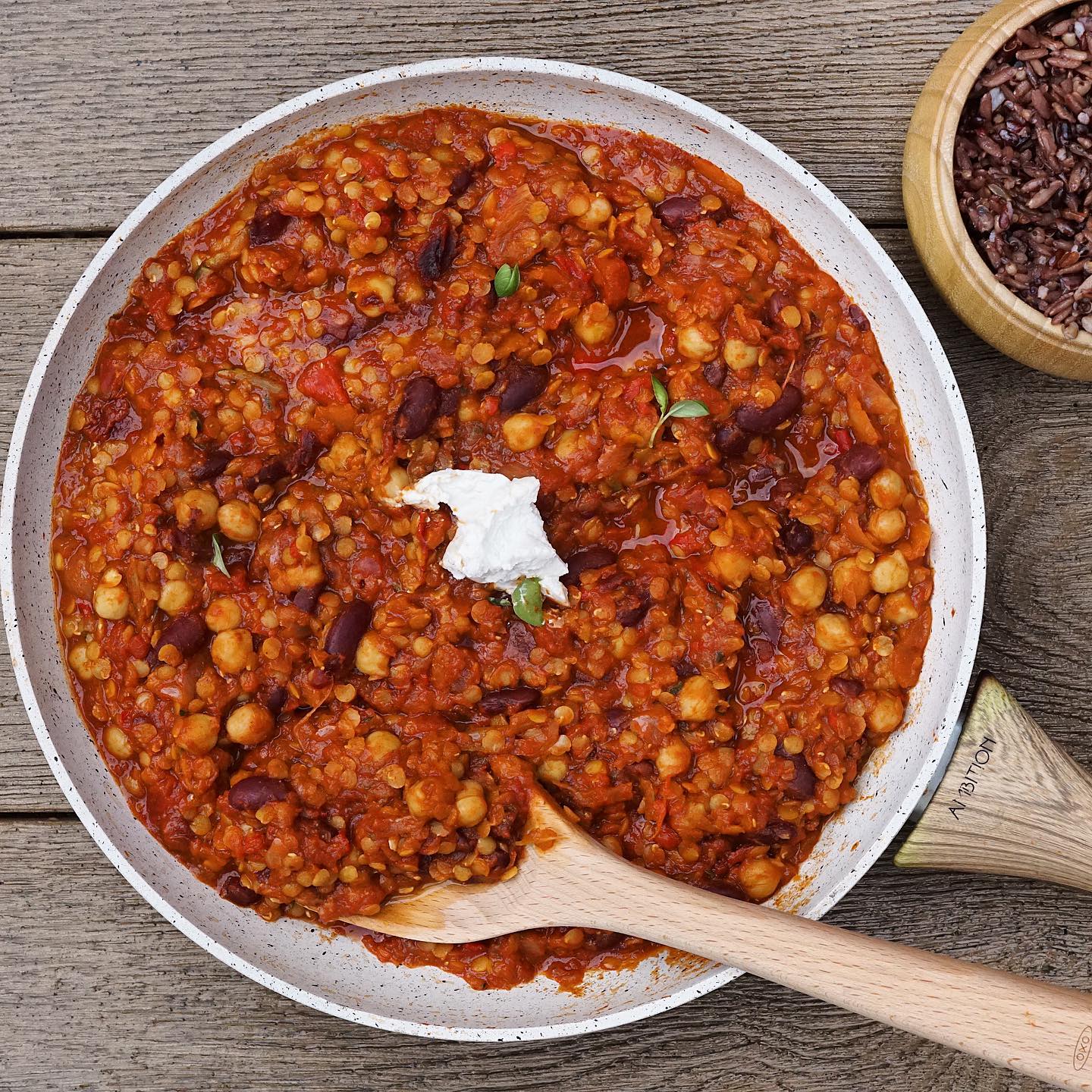
For some reason, not many people try to focus on easy plant-based protein sources, such as lentils and beans. But if you’re aiming to increase your protein intake in a simple yet creative way, these products are definitely a good place to start.
The thing is that both lentils and beans are loaded with healthy proteins. In fact, a cup of cooked lentils has around 18 grams of protein, while cooked beans provide around 14-16 grams per cup. As an added benefit, both of these ingredients are rich in fiber, which means your meals will help you feel satisfied for longer and support your digestion as well.
You can easily include lentils and beans in soups, curries, and salads, or even turn them into a hummus-like dip that can be enjoyed during your free time, whether you’re watching a movie or playing online games on platforms such as MrBet Casino New Zealand.
2. Seitan
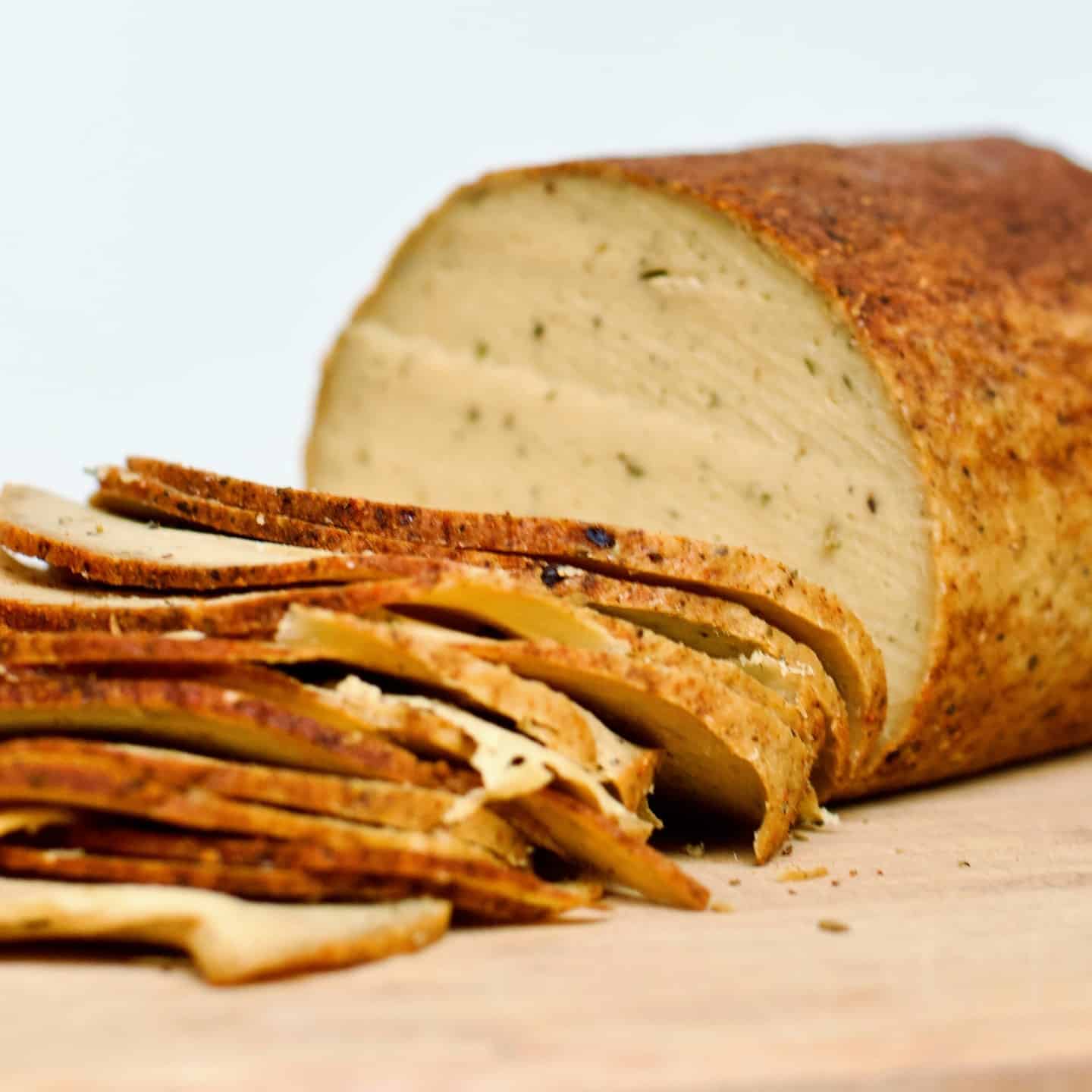
Seitan is something you might have never even heard of. When it comes to vegetarian protein sources, it’s certainly worth discovering. But you should also know that seitan is completely made from gluten, which is, in turn, a main protein in wheat. While you can’t really consume seitan if you’re gluten-free, in general, it’s considered a good alternative to soybean-based foods, such as tofu.
Seitan contains around 25 grams of protein per 100 grams. The texture of this product resembles meat because it’s firm and chewy at the same time. Therefore, you can easily use it instead of meat in sandwiches, wraps, stir-fries, or salads.
3. Nuts and Seeds
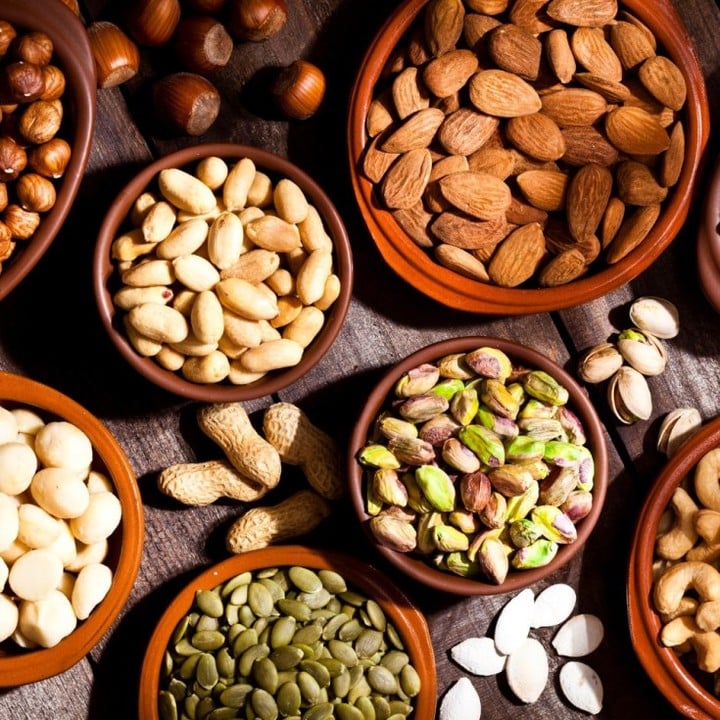
Who doesn't enjoy eating nuts while relaxing, whether that's during a movie night or a few quiet rounds spent playing online games for free on a slow evening? It's the kind of snack that fits into almost any relaxing situation without having to think a lot. But little do people realize that nuts can also be a great source of protein, and that’s one of the reasons why snacking on them can keep you surprisingly full.
Not only nuts but also seeds, such as hemp seeds or chia seeds, are some of the best plant-based protein sources that are easy to add to your meals as toppings, mix in your smoothies, or even use for baking. In particular, if you’re aiming to fill yourself with protein, aim to include almonds, peanuts, pumpkin seeds, and hemp seeds in your meals or eat them as quick snacks, as just a handful of them can give you around 5-10 grams of protein.
4. Greek Yogurt and Cottage Cheese
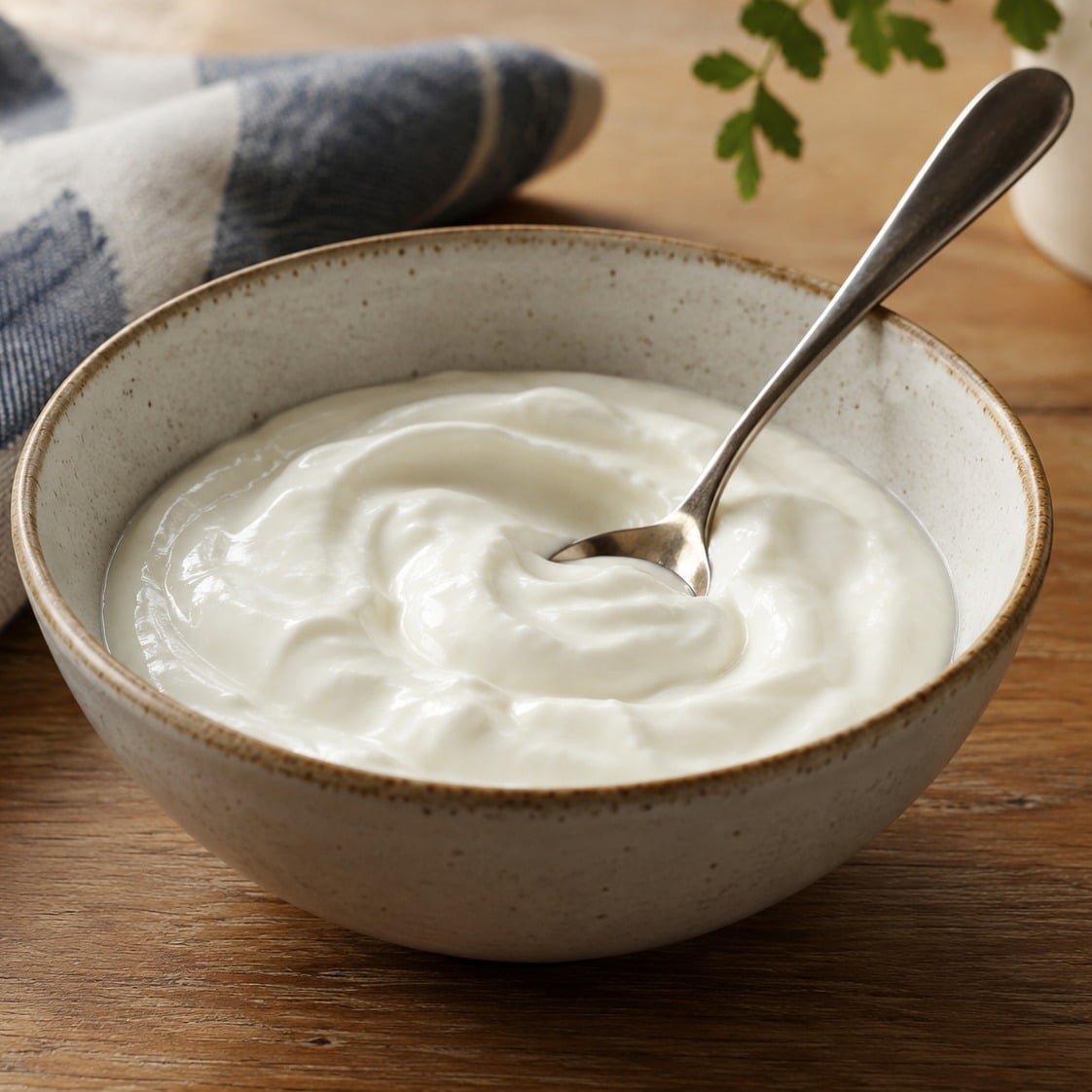
If you consume dairy, these two are definitely two protein sources you shouldn’t exclude from your diet. After all, it’s hard to find something as low-effort as either Greek yogurt or cottage cheese that is so rich in protein and easy to combine with any type of ingredient. Specifically, Greek yogurt works well as a base for dips and salad dressings. As for cottage cheese, if you find it boring, you don’t need to eat it plain. Instead, spread it on your toast or mix it with fruits and honey to get natural, high-protein desserts.
A cup of Greek yogurt can provide around 20 grams of protein, while most brands of cottage cheese contain around 25 grams per serving. Just check the label because even if they contain plenty of protein, some brands might as well be full of added sugar.
5. Quinoa and Other Whole Grains
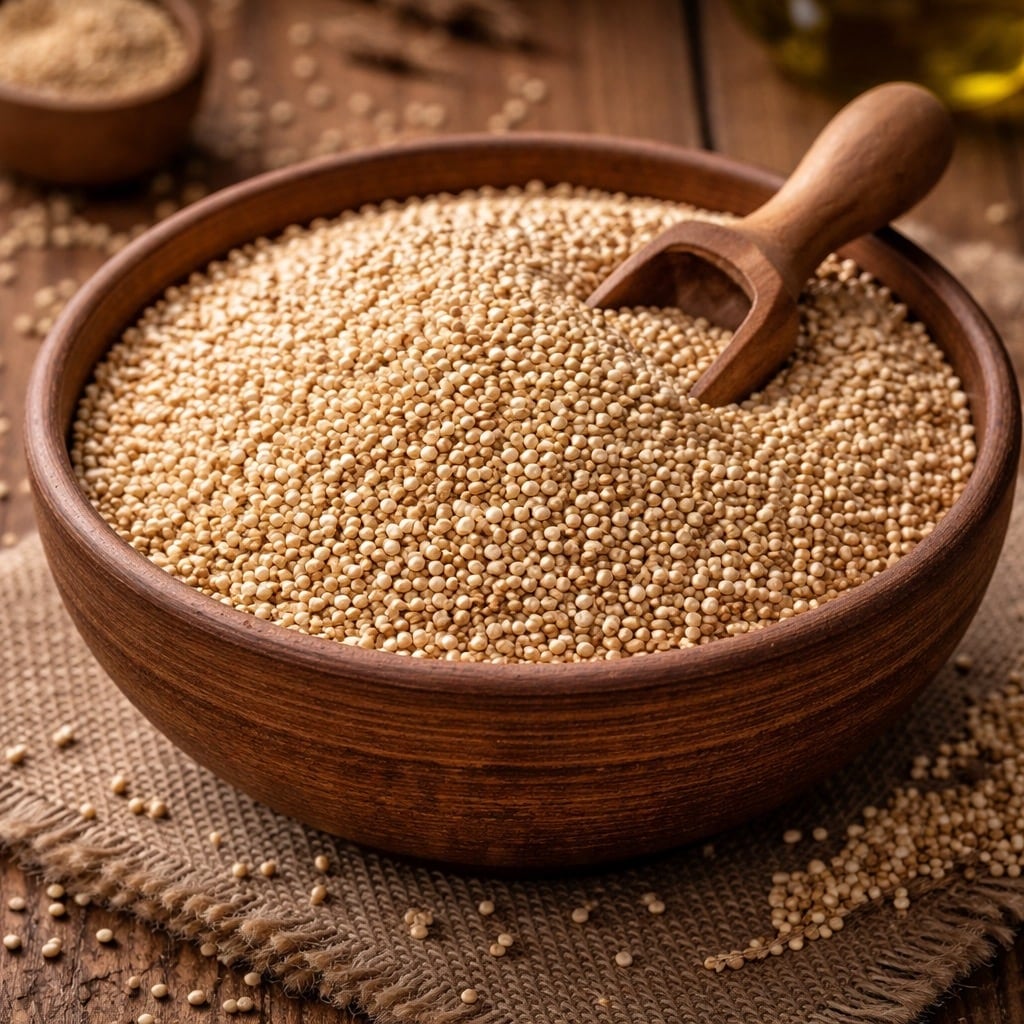
Quinoa is definitely a superfood, not only in terms of protein but also because it contains all nine essential amino acids. The amount of protein in quinoa isn’t as large as in other products we just discussed. In fact, one cup of cooked quinoa provides around 8 grams of protein, which may sound modest compared to lentils, seitan, or cottage cheese. Still, because of its other benefits, including rich fiber content and versatility, quinoa is a valuable ingredient for a balanced vegetarian diet.
The same applies to other whole grains, such as oats, bulgur, brown rice, and whole-wheat pasta, which also provide some protein and can help you add more variety to your diet.
Bottom Line
Now you should have a better understanding of the fact that adding a few simple foods that are always around us, wisely, into our vegetarian diet can help us increase protein intake. Even if you’re tired of soybeans and tofu, you can still choose from lentils, beans, whole grains, nuts, and seeds, not to mention eggs and dairy products. Just try to add some variety instead of relying on a single food in that way. Once you discover a few combinations that suit your tastes, getting enough protein on a vegetarian diet becomes much easier.





Leave a Reply