

If you’re considering going plant-based and don’t know where to start, chances are that you’re searching the internet, thinking you have to remove every animal product from your diet at once and replace everything in your kitchen at once. Fortunately, that isn’t how plant-based eating has to work.
Whatever your purpose is, one thing is for sure: you don’t need to suddenly change your whole life to eat more plant-based foods. In this article, we’ll provide a few beginner-friendly tips that will help you start a plant-based diet without feeling overwhelmed.
Start With Familiar Plant-Based Foods
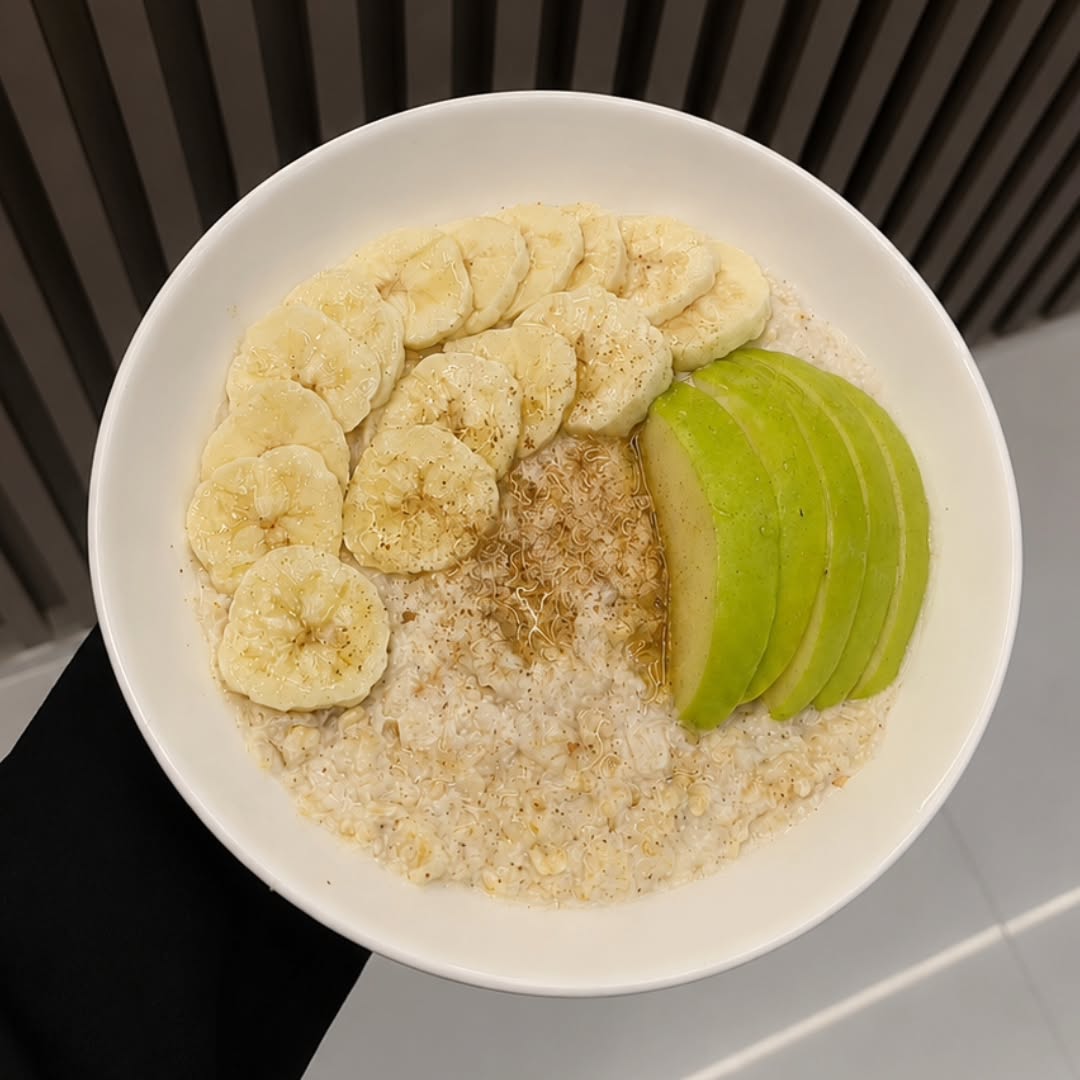
The moment people decide to go plant-based, they start to search for dozens of new recipes and go grocery shopping to buy products they didn’t have any idea even existed. Not surprisingly, this approach quickly backfires. The result of hurrying too much is having new ingredients sitting unused in the pantry and feeling like you don’t know where you should start.
Basically, it can feel like an assignment that has a due date very soon, for which the only solution to succeed is to pay for homework. But you don’t need to treat your meal planning as homework. Ideally, you should just look at and analyze what you already eat. Maybe you like pasta with marinara, rice and beans, peanut butter on toast, or oatmeal with fruit. Each of these meals is already plant-based. This means that you don’t need to recreate your whole diet to go plant-based.
Find Plant-Based Versions of Your Favorite Protein Sources
Even though protein is mostly associated with meat, there are plenty of plant-based sources that can give you enough of this macro to meet your daily needs and keep your meals satisfying. Still, it’s hard to incorporate enough protein in your plant-based diet if you’re not aware of which foods are full of it.
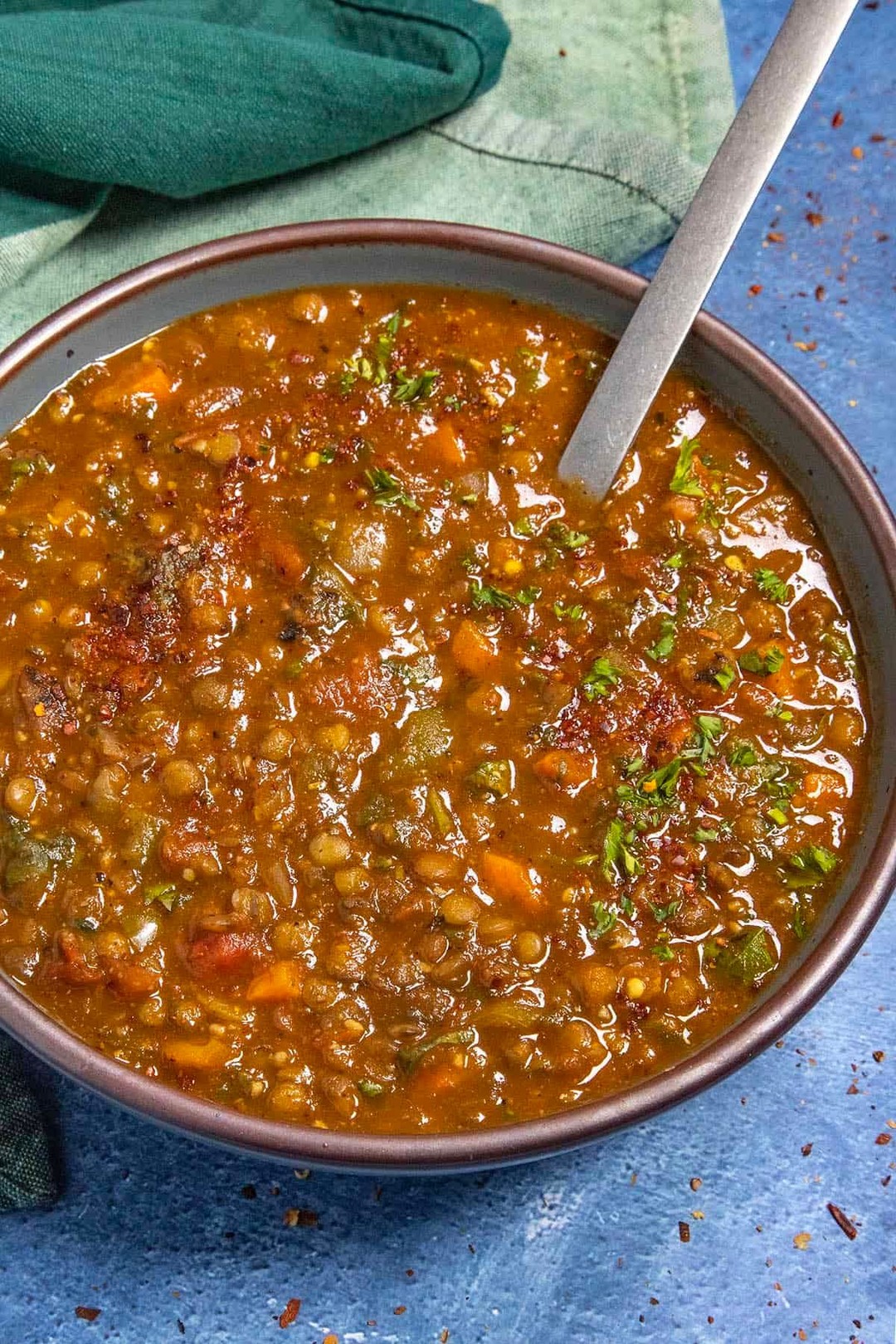
That’s why it’s important to keep on eating your favorite foods, just swap their protein sources with beans, lentils, chickpeas, tofu, tempeh, seitan, nuts, and seeds. For example, you can combine chickpeas with rice or use them in your pies, or add lentils to soups. Even tofu, which is one of the most controversial plant-based protein ingredients, can easily be flavored the same way chicken does.
Snacking Plant-Based Is Easier Than It Sounds
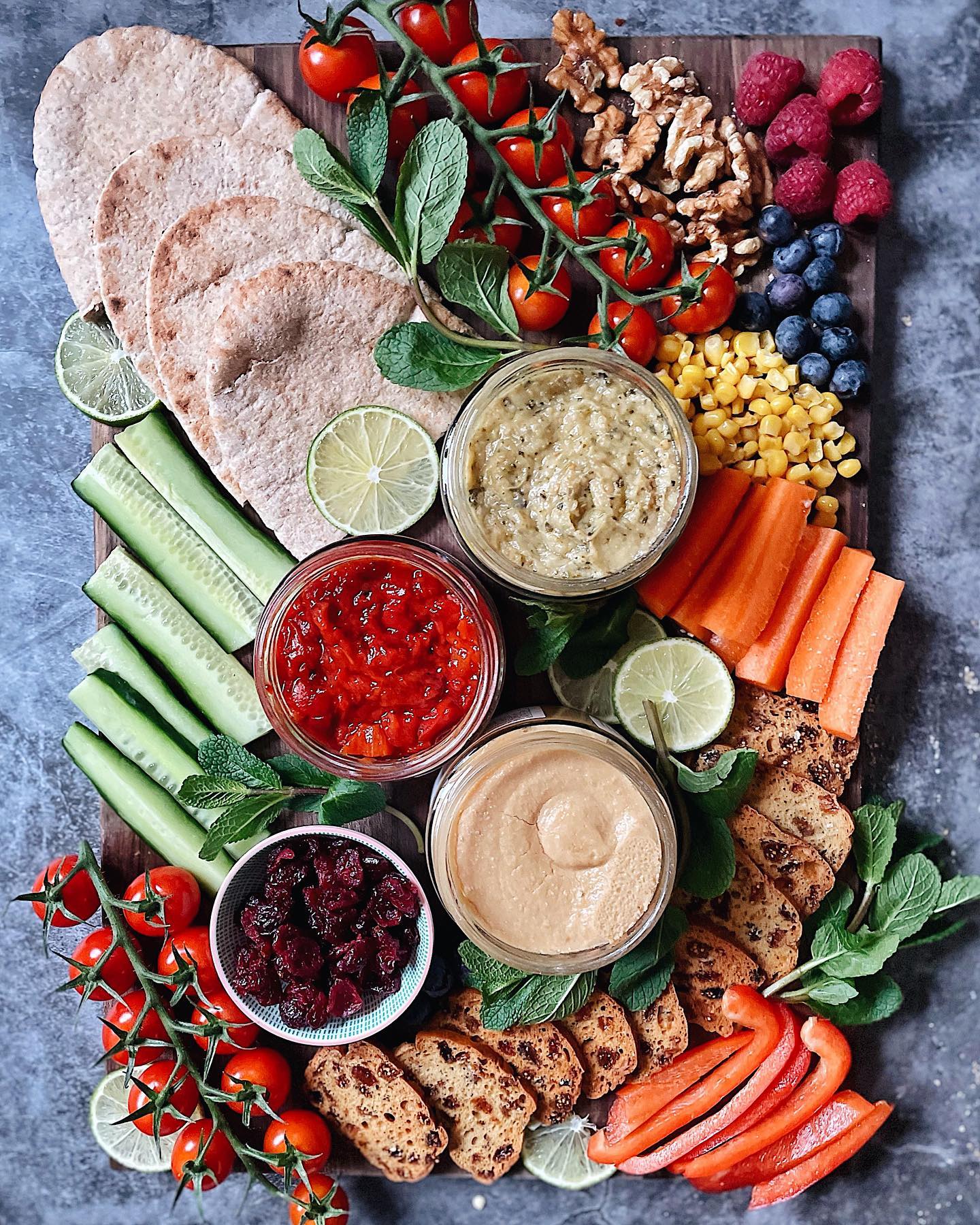
While snacking isn’t usually considered part of a healthy diet, believe it or not, sometimes having a quick snack can help you stay satisfied between meals. One of the best and easiest parts of a plant-based diet is probably the fact that you automatically have plenty of healthy snack options without having to prepare something complicated every time you feel hungry.
In fact, you can snack on any type of berries or fruits, either dried or fresh. If you want protein options, you can easily grab hummus with vegetables, have roasted chickpeas, or use any type of nuts. Just keep these plant-based options in your kitchen so that whenever you need a quick snack, you have something easy to reach for.
Spices Matter More Than People Expect
Very often, people assume that a plant-based diet doesn’t taste as hearty and satisfying as one that includes meat. However, the problem usually isn’t the absence of meat. And you also don’t need to be a master chef and know lots of cooking techniques to make simple ingredients taste good enough. Proper seasoning can easily solve this problem.
The thing is that simple ingredients like beans, lentils, or vegetables completely change when you add the right seasonings. And tofu is an especially good example of this. People often say that it doesn’t taste like anything until they learn that tofu is actually one of the best protein sources that can be adjusted to literally any dish, as it can absorb the taste of the spices, marinades, and sauces.
Just don’t be afraid to experiment a bit with seasonings like cumin, turmeric, curry powder, fresh herbs, lemon juice, or even nutritional yeast. Once you discover your favorite combinations, even the simplest plant-based ingredients can become satisfying.
Bottom Line
Regardless of your reason, by going plant-based, you’re contributing to a more sustainable lifestyle for yourself and for the world. You don’t need to sacrifice your purpose just because it may seem a bit too complicated in the beginning. Just make sure not to force yourself to change everything at once. The greatest approach could be to focus on adding new foods instead of thinking only about what you need to remove. The more plant-based foods you discover, the easier it will become to find meals that are both satisfying and enjoyable.





Leave a Reply