

When someone mentions omega-3, the first association that naturally comes to mind is usually fish. However, it turns out you can be a vegan and still cover your omega-3 needs from specific foods. It’s true that seafood is one of the main sources of EPA and DHA, but there are other forms of omega-3 as well that are found in plant-based foods. Specifically, plenty of plant-based foods contain another omega-3 fatty acid called alpha-linolenic acid, or ALA, which can be converted in the body into EPA and DHA.
In case you’re wondering which foods contain this fatty acid, in this article, we’ll discuss 5 vegan foods rich in omega-3 and explain how you can easily add them to your everyday meals.
1. Flaxseeds
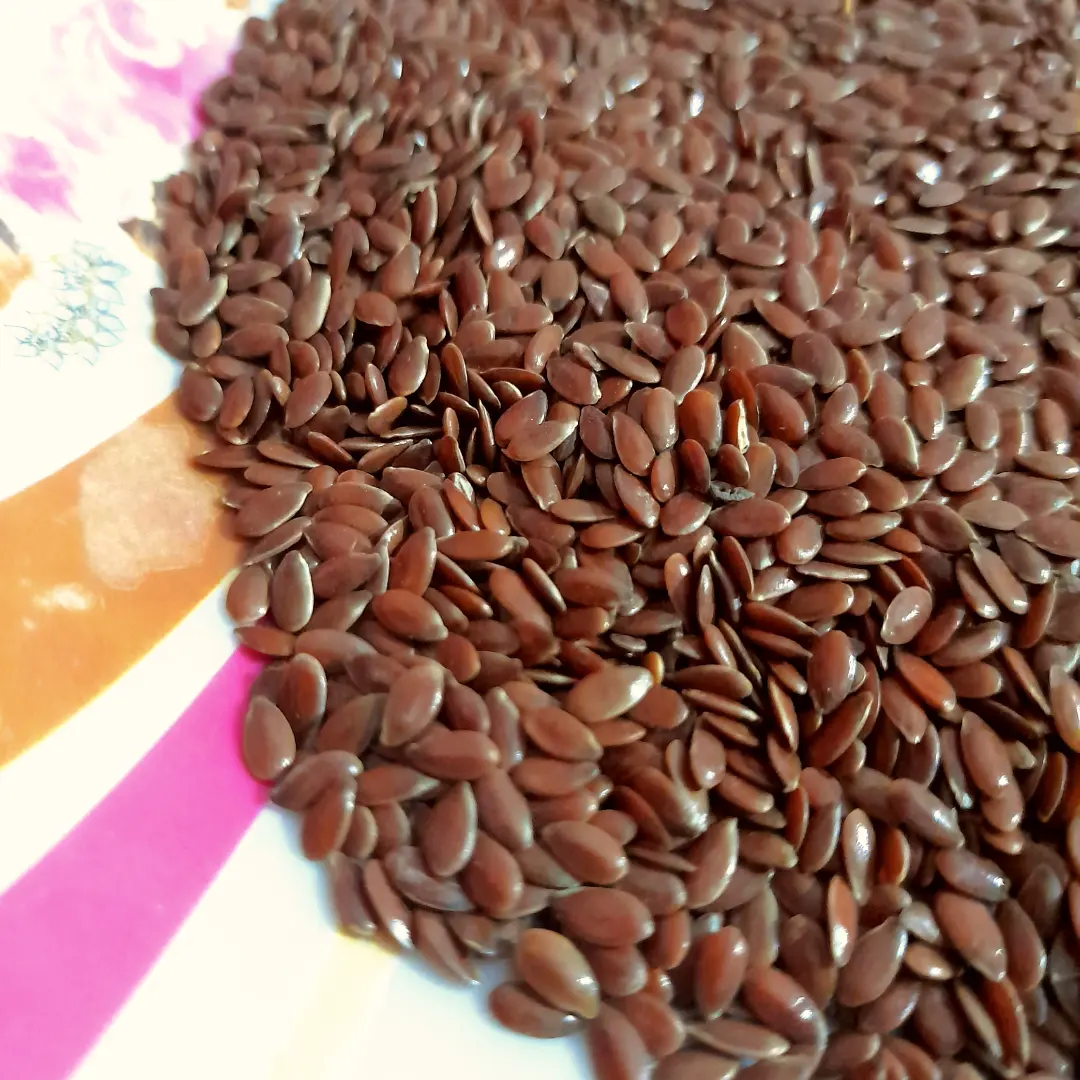
If there’s one type of seed that is underrated and often neglected in fancy recipes, it is flaxseeds. Yes, there’s nothing attractive about this seed visually. You can’t use it to decorate your meals in the same way as colorful fruits or other interesting toppings. But when it comes to omega-3 content, flaxseed can surprise you, and thus, this superfood definitely deserves your attention.
While there are many types of flaxseeds, the best option is ground flaxseed. The thing is that our bodies can digest it more easily than whole seeds. Plus, it’s easy to stir it into oatmeal, add it to smoothies, or add it to any type of plant-based yogurt. Believe it or not, some people even mix it with water and use it as an egg replacement in certain vegan baked foods, so there are plenty of ways you can use flaxseeds to cover your omega-3 needs. Just aim to make it a part of your routine, the same way people wind down at the end of the day with something small and familiar, such as a favorite show or a few relaxed rounds of an online game on platforms like SpinCity casino. In the same way, adding flaxseeds to your diet is easy, and it doesn’t require any real thought.
2. Chia Seeds
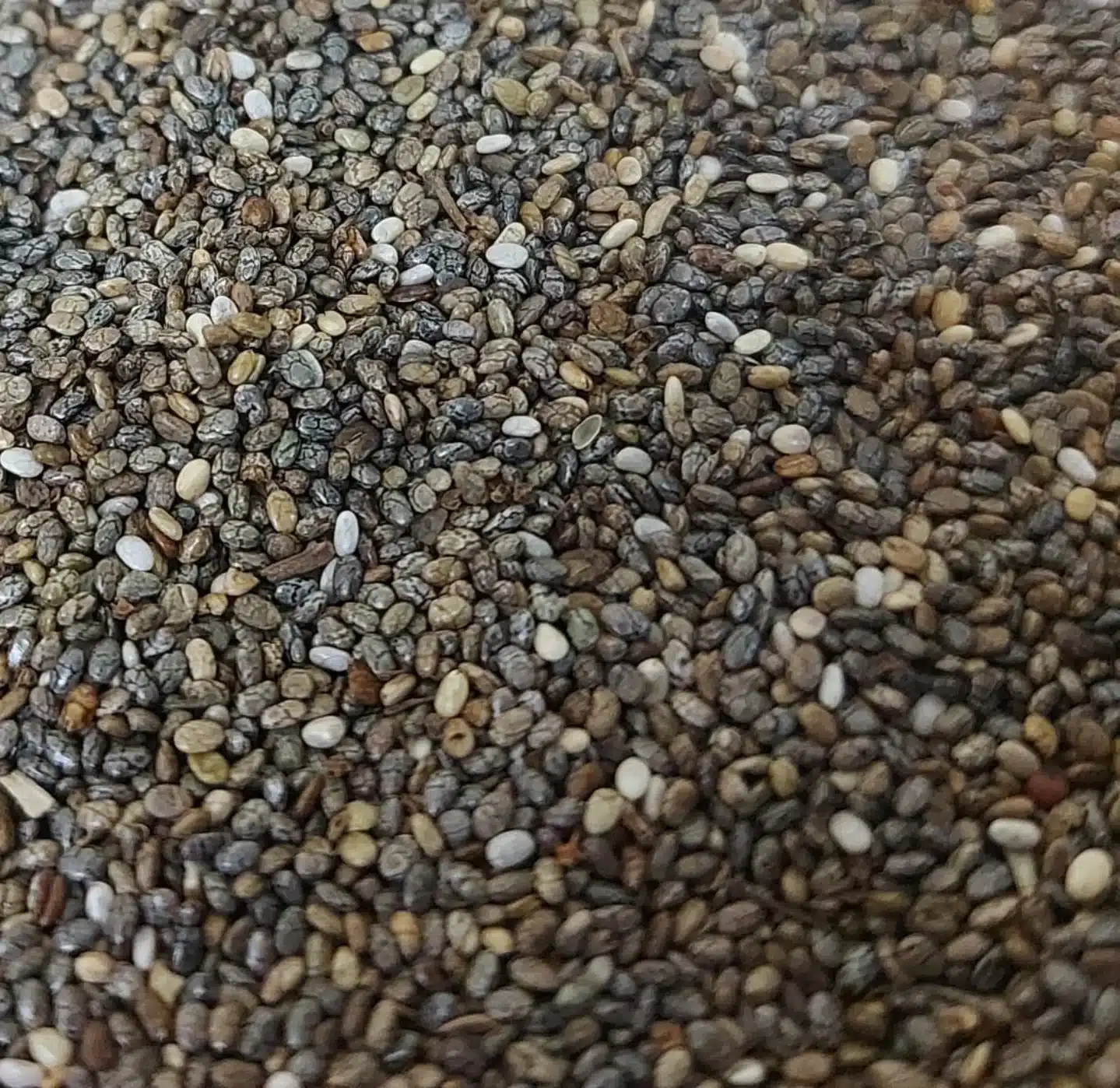
Still, if you’re not a big fan of flaxseeds and prefer something that would bring more texture and more taste to your plant-based foods, chia seeds could be a better option. Unlike flaxseeds, these days chia seeds get a lot of attention, and social media is full of vegan recipes that contain chia seeds in diverse ways. For instance, you can soak them in plant milk overnight if you want to have a pudding-like breakfast that keeps you full for hours. Another way to use chia seeds is to use them in baking, whether it’s for vegan muffins or batch-baking energy bars.
Either way, chia seeds are a good source of omega-3. In fact, a single serving (around 2 tablespoons) of chia seeds contains around 5 grams of omega-3s, which is a lot. And the best part is that these seeds are one of the easiest ingredients to use regularly, regardless of what kind of food you prefer, as they are versatile and go with both sweet and savory food options.
3. Hemp Seeds
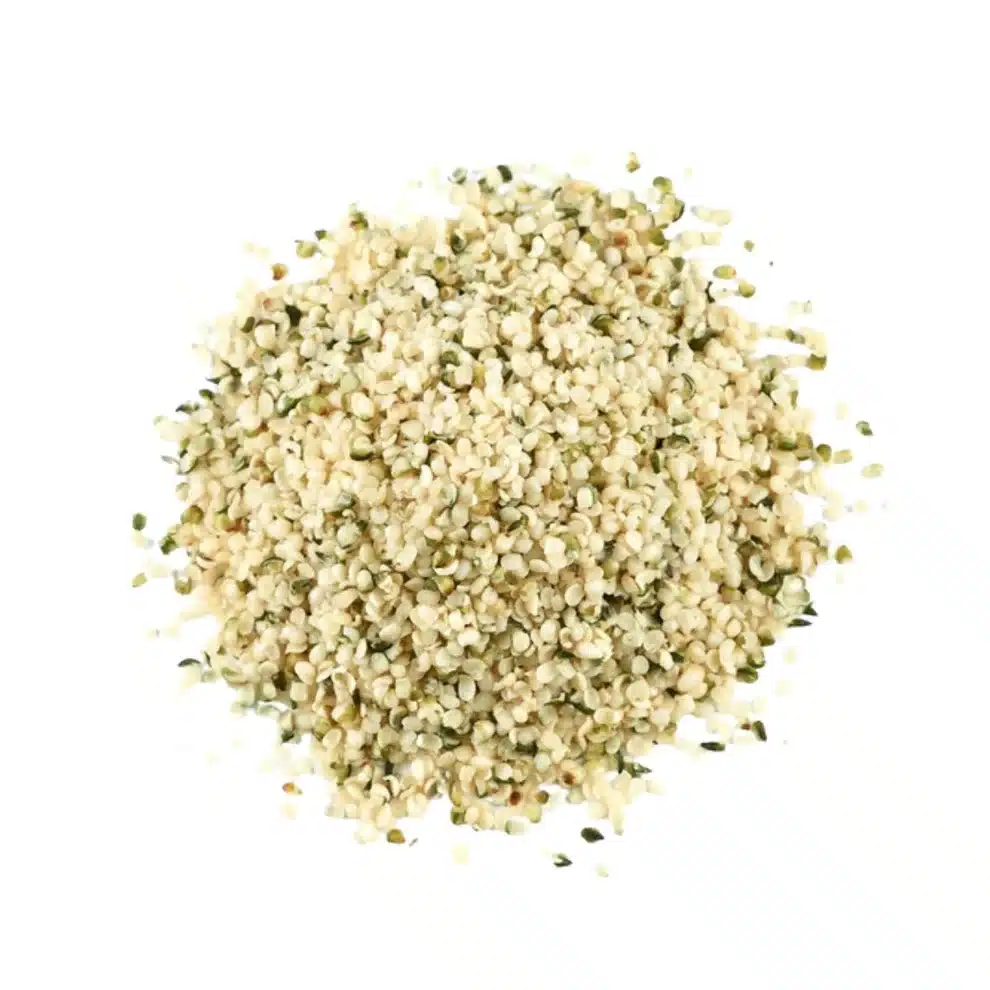
Speaking of seeds, we shouldn’t forget about hemp seeds, which are sometimes overlooked again because chia seeds usually receive more attention. However, hemp seeds also contain ALA, and unlike flaxseeds and chia seeds, they do have a mild, nutty taste, which makes them a great addition to various vegan food options.
One thing that makes this particular seed type stand out among other seed options is that it contains both omega-3 and omega-6 fats in a balanced way, which is closer to ideal than most plant foods manage. Plus, as an extra benefit, hemp seeds are a great plant-based source of protein, which is something to be excited about if you usually struggle to meet your protein needs while following a vegan diet.
4. Walnuts
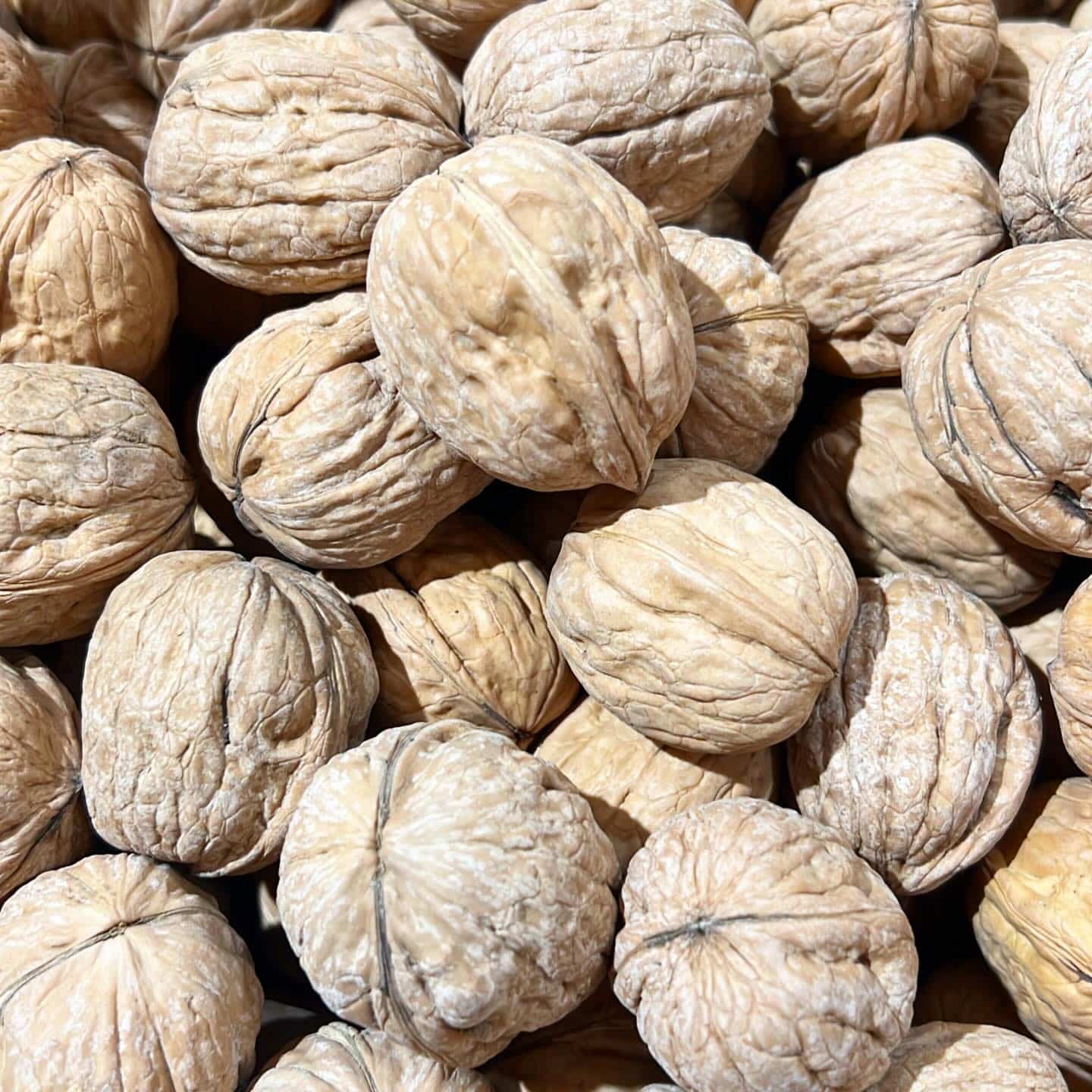
Now you know that adding various types of seeds to your diet is an easy way to enhance omega-3 naturally in your body. However, not everybody is a fan of seeds. If you prefer getting omega-3 from something crunchy, walnuts can be a great choice.
Unlike seeds that usually need to be mixed into another dish, walnuts are already a ready-made snack, and you don’t need to add them into a smoothie or a salad. What makes them especially convenient is that you can always have a couple of walnuts with you as a snack to grab whenever you feel the need for a quick boost of energy.
5. Soybeans
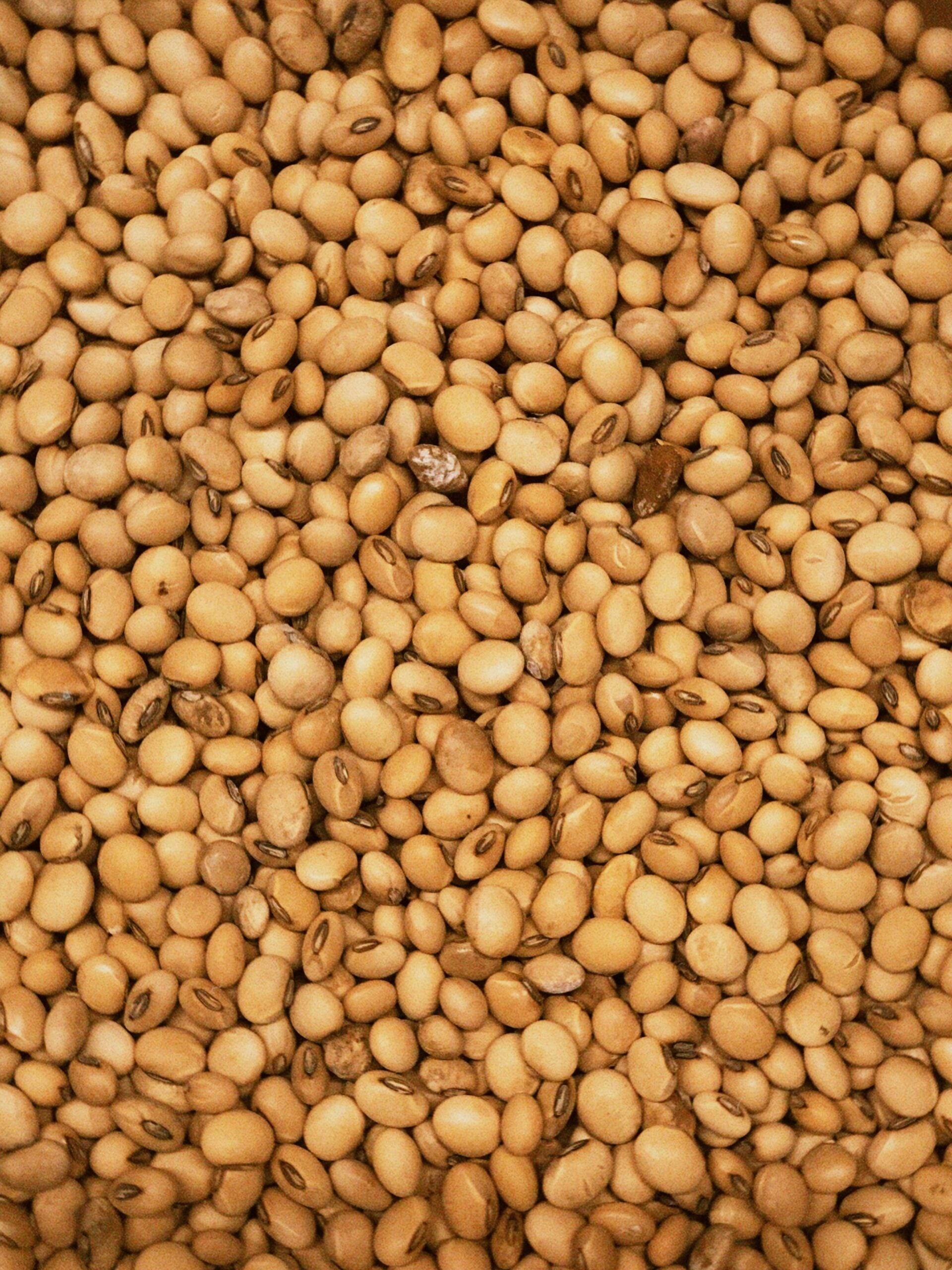
Finally, if you’re vegan, chances are that you’ve tried tofu, soy milk, edamame, or another food made from soybeans. But what you might not realize is that soybeans also contain ALA, and therefore, you don’t need to guess that they are another plant-based source of omega-3.
If you usually prepare food yourself, edamame is probably the easiest option to prepare something with soybeans. You can steam it and enjoy it as a snack or add it to salads, rice dishes, and noodle bowls. And then of course, every vegan’s favorite, tofu, is also a great way to naturally support your body with omega-3 fatty acids.
Bottom Line
As you can see, you don’t necessarily need to eat fish or other types of seafood in order to naturally receive omega-3. These plant-based options can help you support your omega-3 needs without supplementing or adding complicated ingredients to your diet. Just add any of these seeds as toppings to your salads or blend them in your smoothies, and that way, you’ll make omega-3 sources a regular part of your diet without changing everything you eat.





Leave a Reply