

Everyone who has ever tried the Paleo diet probably agrees that it’s not as simple as it may seem at first. Yes, the entire idea behind this diet is that we can mimic the eating patterns of our ancient ancestors, and humans can easily survive if we eat just meat, fish, eggs, vegetables, fruits, nuts, and seeds. Still, modern life doesn’t work that easily. Whether we like it or not, we’re not hunter-gatherers anymore, and it’s not always easy to find fresh ingredients in grocery stores.
If you’re on a paleo diet and notice that planning your meals gets a bit confusing, here are 5 common paleo diet mistakes that could be complicating your paleo experience.
1. Expecting perfection from day one
It’s tempting to think that switching to the Paleo diet means removing a few foods and replacing them with fresh alternatives. However, if you decide to go paleo, you need to know that you can’t change your eating habits overnight. And if you want to do it safely, it’s important to gradually switch to this diet.
Unfortunately, people often expect perfection from the moment they decide to start the paleo diet, and that’s actually one of the biggest traps people fall into. But the paleo diet isn’t something like online gambling, where you can easily restart your slot machines whenever something goes wrong. Unlike strict diet plans, Paleo isn’t all or nothing. You don’t need to spend too much time checking labels or refuse meals just because they contain something that isn’t considered Paleo. Thus, it’s more like learning a new language because you gradually become familiar with the rules, make mistakes, and discover what works for you.
2. Eating too much meat
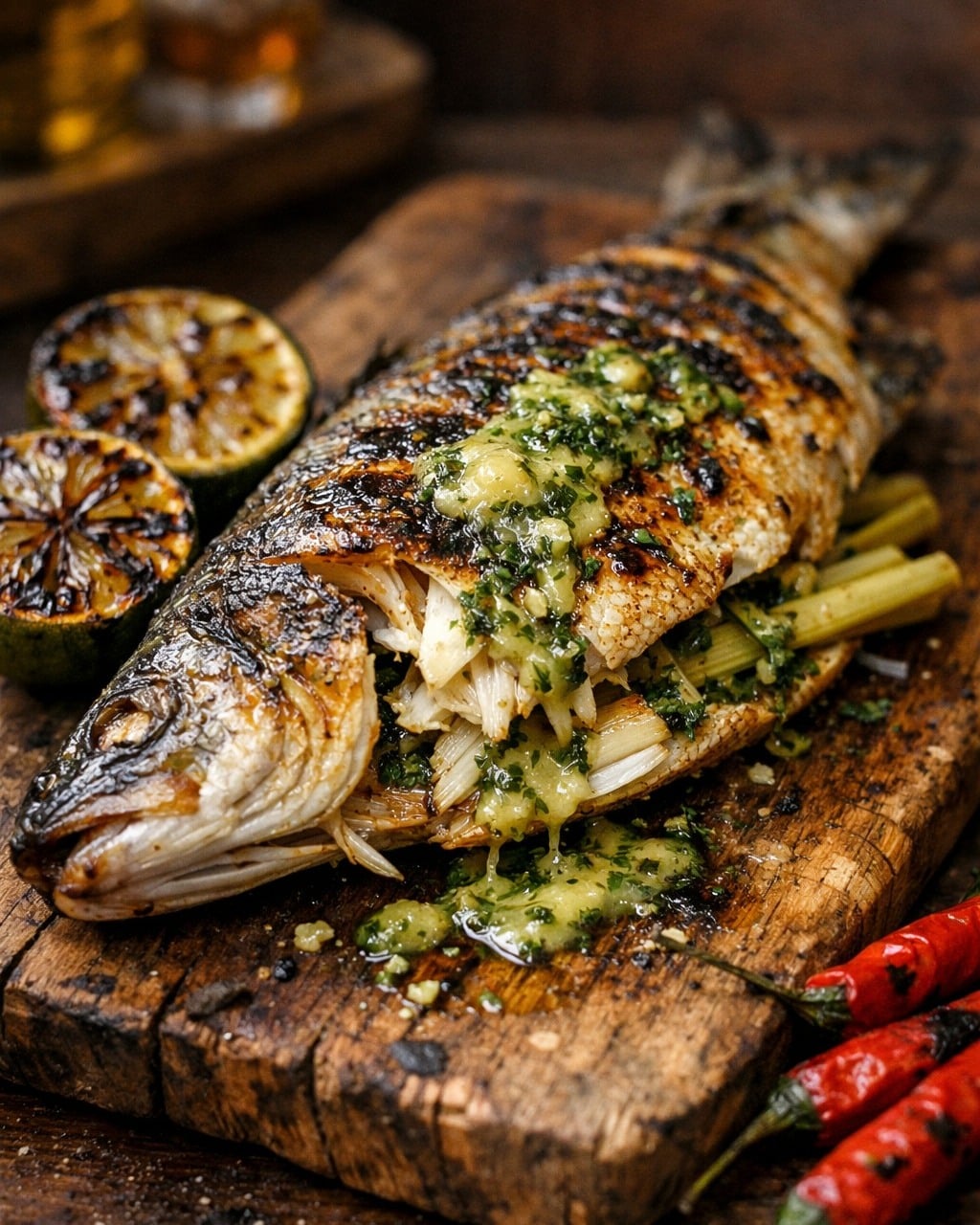
Just because hunter-gatherers used to eat meat, sometimes people assume that the paleo diet means they have to eat meat during every single meal. But this couldn’t be further from the truth. The thing is that our ancestors varied their foods depending on their location, climate, season, and, in general, which foods were available.
Of course, meat is an important source of protein, and it’s great for your energy and health if you can focus on meat. But if you can’t or don’t want to eat meat, it doesn’t mean that the Paleo diet is impossible to follow. Fish, eggs, nuts, and seeds can also provide protein. Either way, try not to overeat meat, and don’t make it the only ingredient of every dish. Paleo doesn’t necessarily mean carnivore eating, and don’t forget that your ancestors gathered more than they hunted.
3. Being afraid of carbs
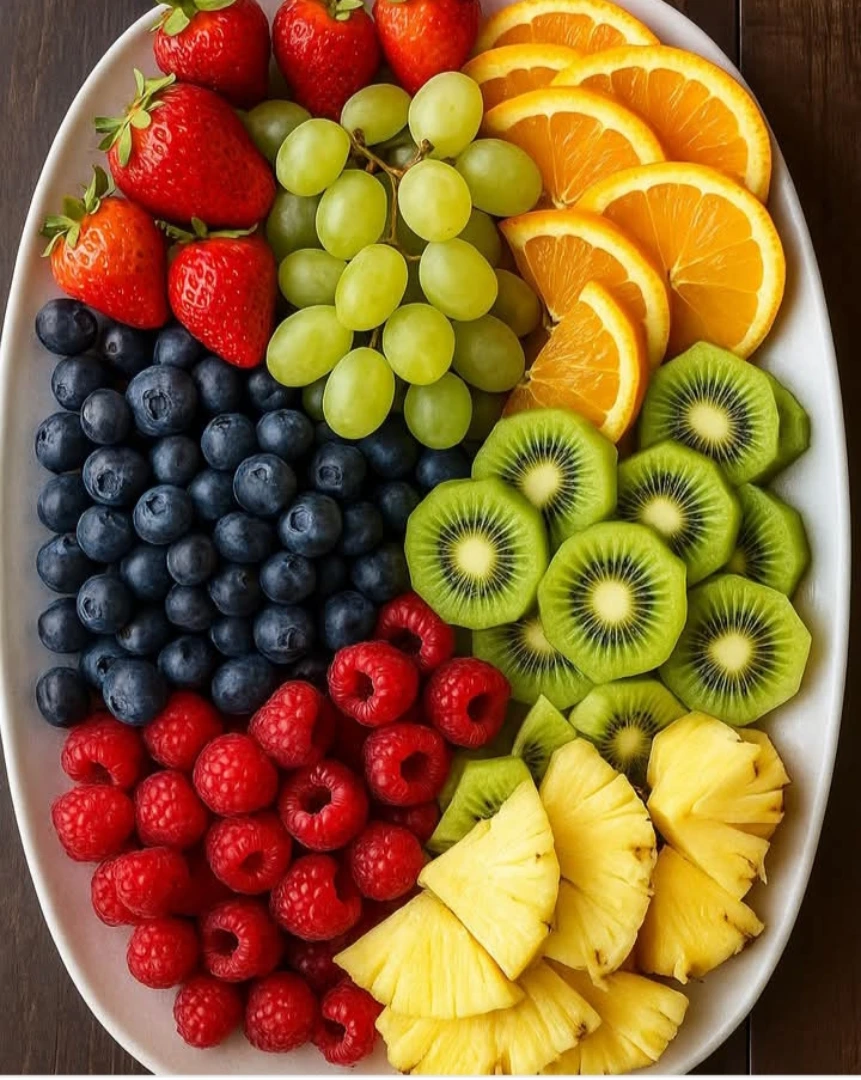
When you focus too much on meat, it’s easy to forget about the importance of carbs for your energy levels. But that’s another common mistake paleo beginners often make. Our ancestors didn’t eat processed carbs, such as white bread, sugary cereals, pastries, or packaged snacks, that’s true. But they received plenty of carbohydrates from fruits, roots, and other plants.
This means that even if you follow paleo, you can easily use ingredients, such as sweet potatoes, pumpkin, squash, bananas, berries, and apples to get energy, as well as fiber, vitamins, and minerals.
4. Not including enough calcium
While the idea of the Paleo diet is that our ancestors didn’t consume dairy products, this doesn’t mean they didn’t need calcium. Back then, their diets and lifestyles were different, and they obtained this mineral from other available foods. Modern Paleo followers, however, often remove milk, yogurt, and cheese completely from their diets without replacing the nutrients these products provide.
Still, you don’t need to supplement with calcium in order to get enough of this mineral. Paleo-friendly foods, such as leafy green vegetables, almonds, sesame seeds, and certain types of fish, also include calcium, which is important for your bones and muscle health.
5. Relying on paleo snacks
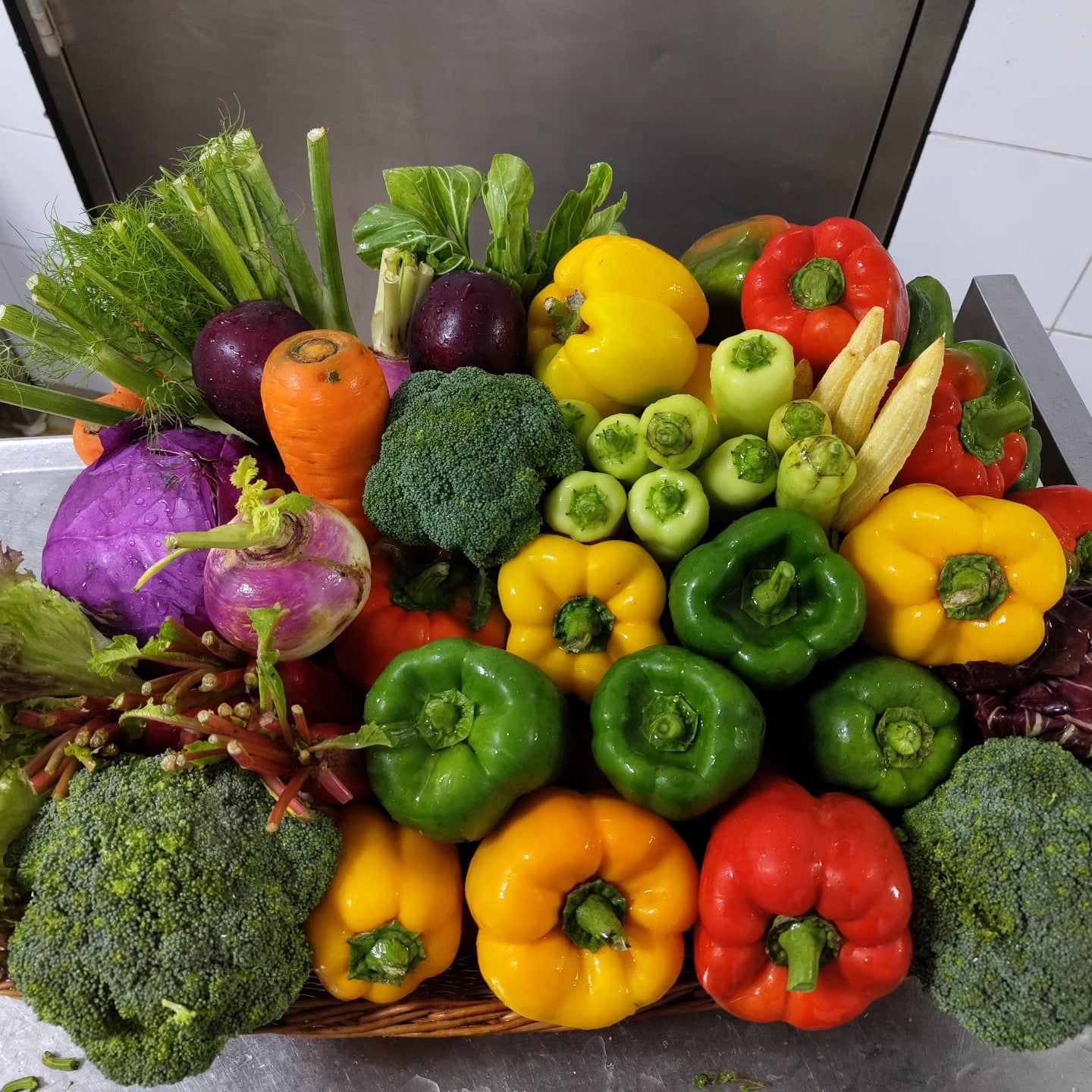
Finally, considering that the paleo diet has become very trendy in modern times, these days you can easily find plenty of products on grocery store shelves that have paleo labels. However healthy a packaged snack might be, it’s far from the original idea behind this eating pattern, which focuses on simple, whole, and minimally processed foods.
A Paleo label also doesn’t automatically make a product nutritious, so if you necessarily need to snack, try to rely on simple options, such as fresh fruit, nuts, seeds, or vegetables.
Bottom Line
Now you know that even if you’re on a paleo diet for a long time, the biggest mistake is assuming that following every rule automatically creates a balanced diet. Yes, avoiding processed foods is certainly good for your health. But sometimes we don’t need to complicate things too much. At least, that was the initial idea of following a hunter-gatherer diet — to eat foods that are naturally available rather than following one universal menu or a strict list of rules. That way, you can easily build a balanced eating pattern that positively affects your health and well-being.





Leave a Reply