

Losing weight is certainly not easy and it often comes with a lot of trial and error. Nevertheless, these days, people have found plenty of effective ways to pair weight loss with a healthy lifestyle without any strict food restrictions. One of the most popular approaches is intermittent fasting.
For those who don’t know, intermittent fasting prioritizes particular times of eating rather than focusing on what to eat. This way, your body has more time to process and digest food more effectively when you’re not eating. With this method, you can speed up your metabolism and achieve your weight goals more easily.
At the same time, even during intermittent fasting, food quality matters a lot. What you eat during your eating window can directly affect your long-term results. That’s why it’s important to choose the right types of foods. In this article, we will discuss 5 of the best types of foods to support your body during intermittent fasting.
1. Protein-Rich Foods
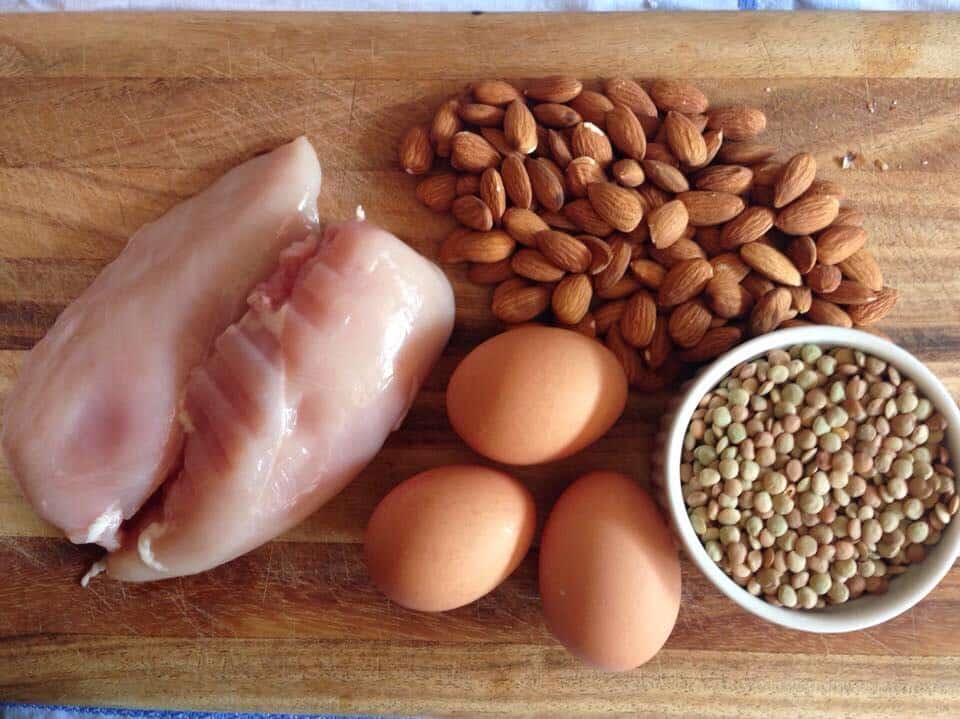
Protein-rich foods are definitely one of the most essential elements, not just in intermittent fasting but in any kind of diet, as they support overall body energy and brain function. Protein sources like eggs, chicken, turkey, beef, dairy, and fish are probably the best animal-based options, as they all contain these amino acids. When it comes to plant-based options like beans, lentils, tofu, nuts, and seeds, you can still get the nutrition you need, especially when combined.
Whether you’re creating your own meal plan for intermittent fasting or using smart tracking apps like the Municorn fasting app, protein should always be part of your meals. That way, you can support muscle repair, the immune system, and skin health, as well as hormone regulation. This is not to mention that protein helps you stay full for a longer time and prevents hunger between meals.
2. Healthy Fats
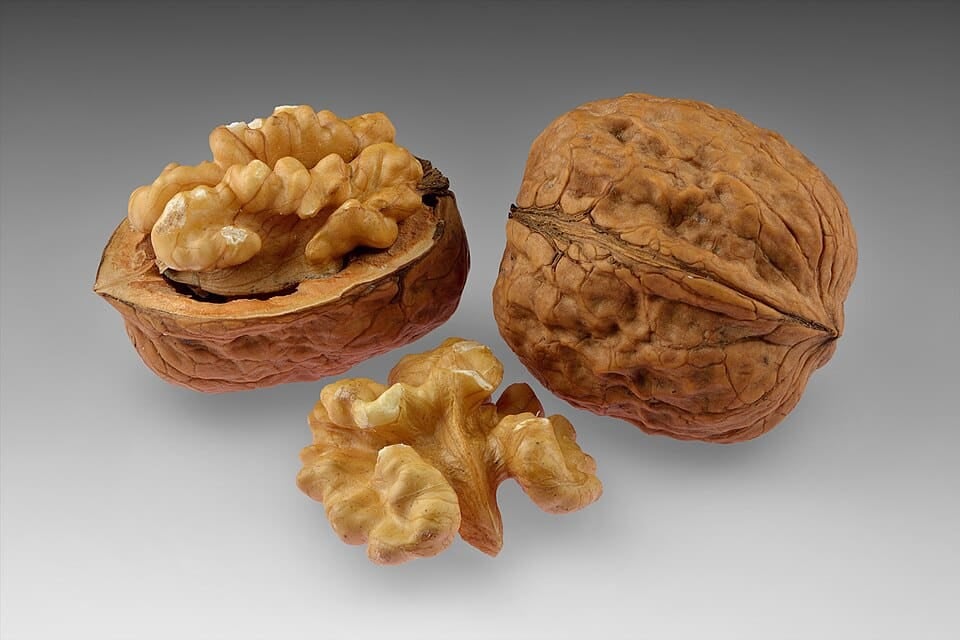
Modern society demonizes fat. These days, people would rather skip anything that contains fat because they automatically connect it with weight gain. But the truth is that not all fats are bad. In fact, healthy fats support better absorption of vitamins, hormone production, and heart health.
The best food choices for healthy fats include olive oil, avocados, nuts, seeds, olives, and fatty fish. In salmon, sardines, walnuts, and chia seeds, you can also find the very important omega-3 fatty acids. They improve brain function and eyesight and reduce inflammation. Healthy fats also improve digestion processes and let you stay full for a while. However, keep in mind that foods with healthy fats often contain a lot of calories, so it is important to control your portions.
3. High-Fiber Foods
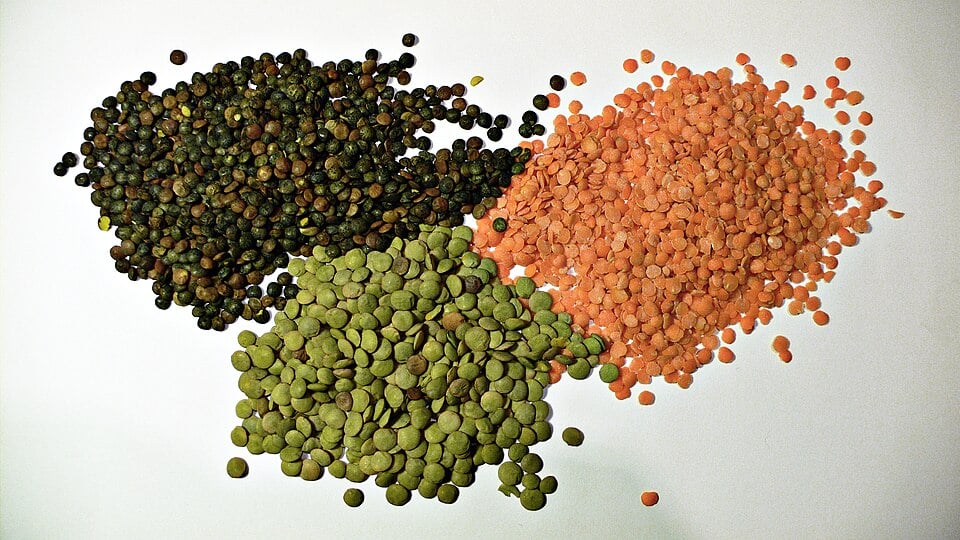
High-fiber foods are perfect for maintaining weight, as they help you stay full for a longer time, and they don’t consist of many calories. Fiber is important for balancing blood sugar levels and for an easy digestive process. The type of fiber that you can find in foods, like beans, lentils, apples, oats, and chia seeds, helps with lowering cholesterol and absorbing sugar slowly. It’s called soluble fiber. While insoluble fiber is better for supporting digestion. You can find it in vegetables, whole grains, nuts, and seeds.
Unfortunately, it is common for people not to eat enough fiber, especially among those who eat unhealthy processed foods. However, it’s essential for a better metabolism and overall health. You can also receive fiber from fruits like berries, mangos, bananas, and pears.
4. Easily Digestible Foods
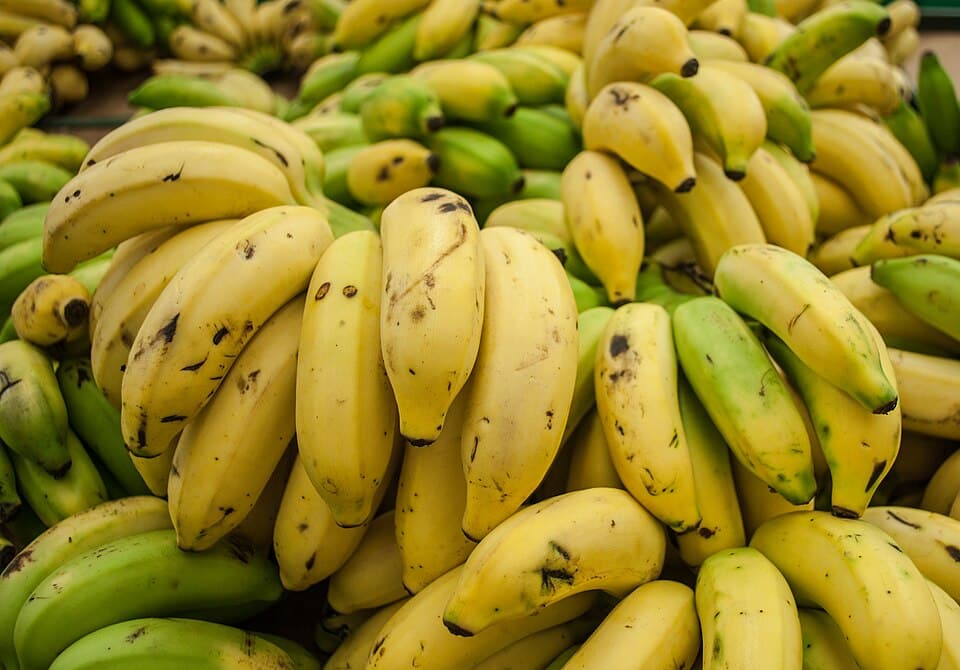
Easily digestible foods are necessary, especially while feeling bloated, nauseous, or stressed when digestion feels slower. There are certain types of foods that are light for the stomach and easier to absorb and process. These foods include oatmeal, bananas, eggs, potatoes, yogurt, broth-based soups, lean chicken, and cooked vegetables.
Considering that each of these foods is soft and slightly seasoned, they support digestion better than other options. And note that hydration supports processing food as well, so these foods, along with water, will certainly help stabilize your metabolism.
5. Complex Carbohydrates
Complex carbohydrates, compared to simple sugars, take more time to digest. This is why, after eating them, we stay full for a long time and are filled with more stable energy.
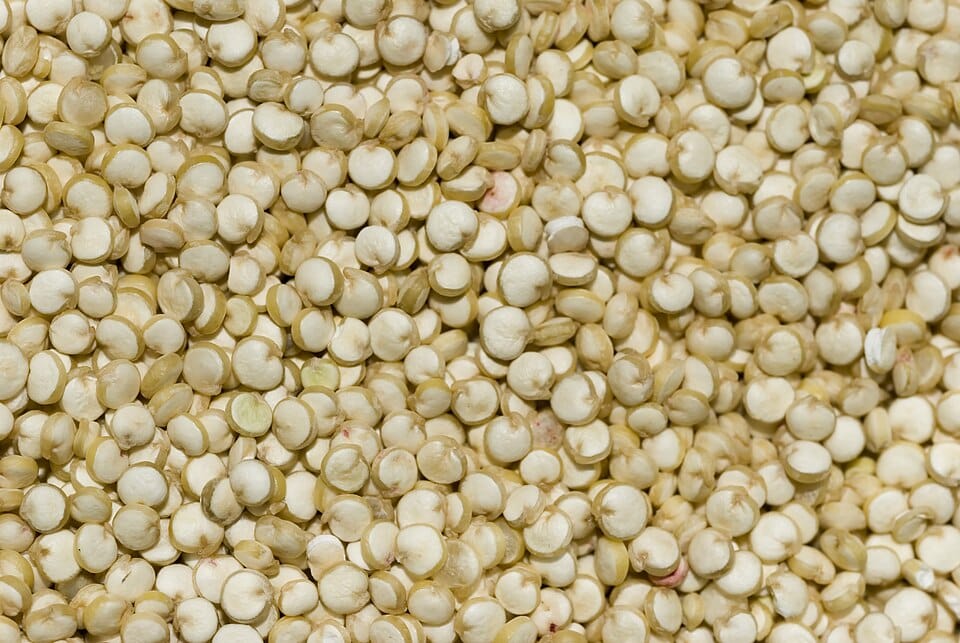
You can find complex carbohydrates in whole or minimally processed foods, which also include nutrients like fiber, vitamins, and minerals. Good examples are quinoa, oats, brown rice, sweet potatoes, whole-grain breads, lentils, beans, and many more. They are the best for people who live an active life to have the fuel of energy they need, so they can use it and fill up later by eating. However, for those who are not very physically active, portion size control is important in all cases.
Bottom Line
Even though intermittent fasting is mostly about eating at certain times, what you eat is also very important. This kind of diet can actually give you long-term results, whether it’s for weight loss or weight maintenance. Besides, these types of food support overall health, and you could have more energy to handle your daily routine. Thus, if you include them consistently, intermittent fasting can feel more balanced and effective.





Leave a Reply