
The Secret is in the Grind
Most people pay attention to the obvious things when it comes to choosing coffee. They look at intensity, roast level, country of origin, the brand, and even the coffee species, such as Arabica or Robusta. And of course, all of that matters. But even if you try to pay attention to all these details, you may still end up making coffee that tastes flat, weak, too bitter, or oddly sour.
Believe it or not, the reason could be something as simple as the grind size. The thing is that coffee brewing is basically extraction. Hot water pulls flavor, aroma, oils, and texture from the ground coffee. But the size of those coffee particles changes everything. A coarse grind slows extraction down. A fine grind speeds it up and creates more resistance. Although it seems like a small detail, it can completely change the result in your cup.
So, if your morning coffee does not taste as balanced or aromatic as you expected and you’re up to perfecting your at-home coffee ritual, in this article, you’ll learn the basics of the science of grind size.
Coarse Grind for Slow Extractions
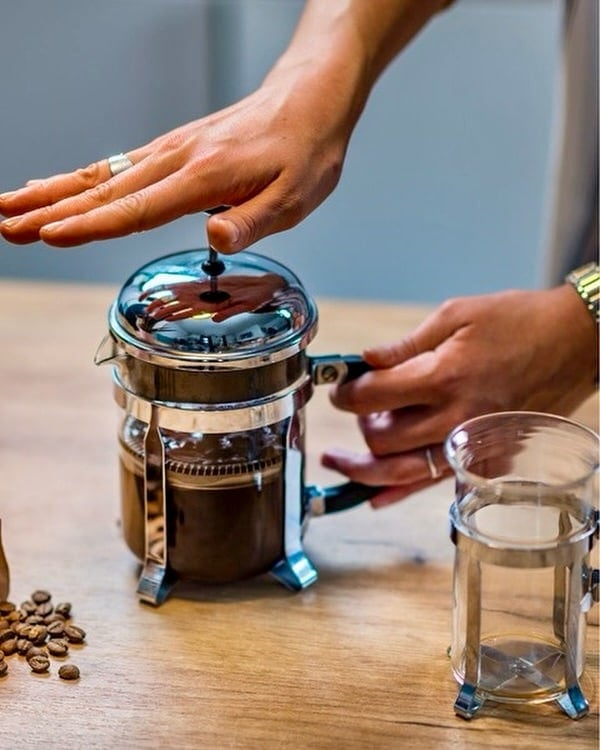
If your daily coffee routine includes French Press or Cold Brew, a coarse grind is usually your best friend. Coarse grind means the coffee beans are ground into larger, chunkier particles. As a result, a texture feels closer to sea salt or rough breadcrumbs.
Considering that larger particles slow down extraction, a coarse grind is ideal for brewing methods that need more time. For instance, in a French Press, coffee stays in contact with hot water for several minutes before being filtered. You may also use coarse grind for Cold Brew, which requires an even longer extraction time, as the coffee needs a long steeping time in cold water.
To put it simply, coarse grind helps the flavor profile develop more gradually. This is exactly what guarantees sweetness and roundness in flavor.
Fine Grind for Fast Extractions
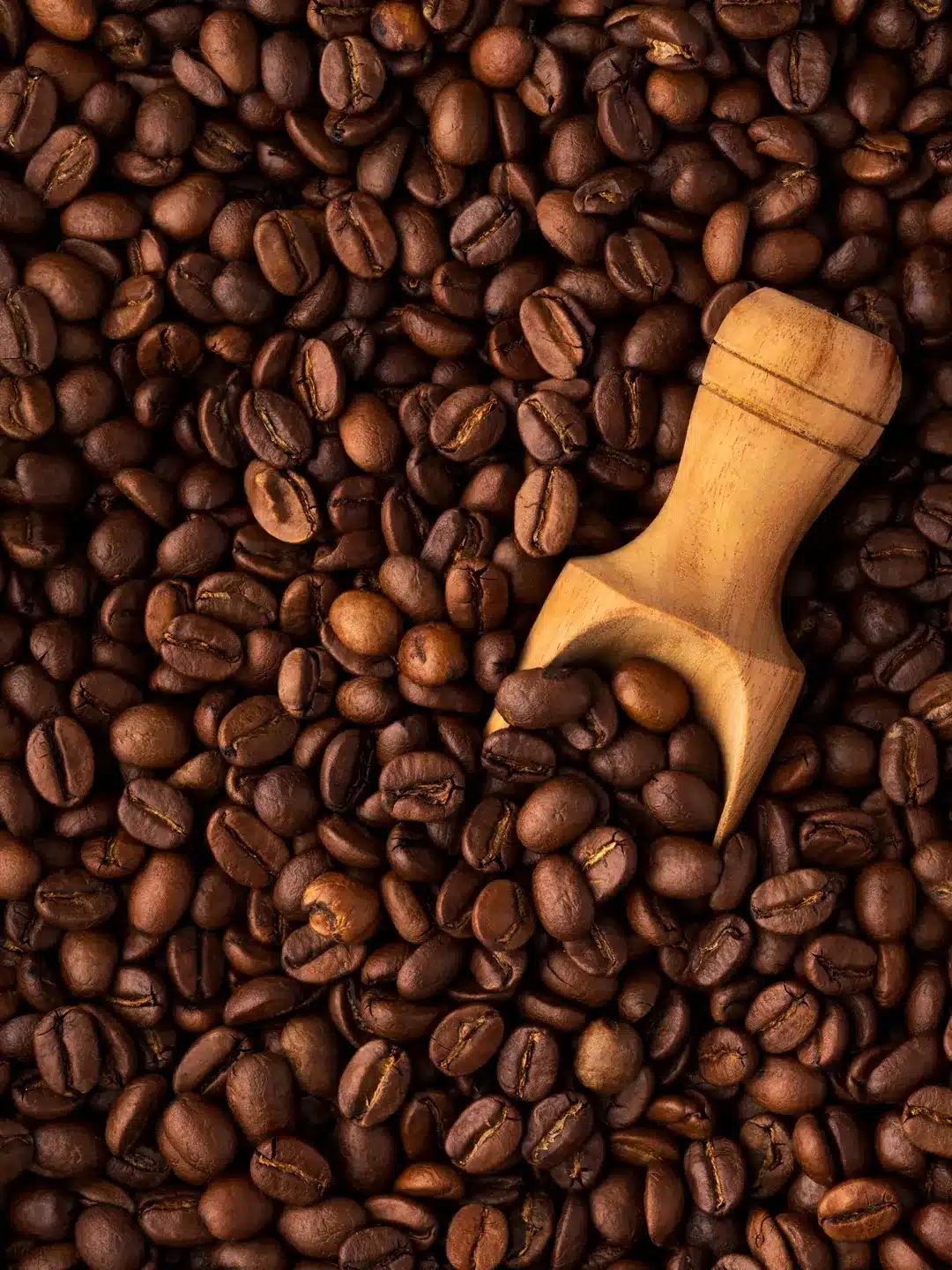
Fine grind works in the opposite direction. It is used when the extraction time is short, and the water needs to pull as much flavor as possible in a limited amount of time. Therefore, if you love espresso or other high-pressure brewing methods, you can create that rich, intense result with a fine grind.
Fine grind means the coffee beans are ground into very small particles. Unlike coarse grind, this time a texture is closer to powder or table salt.
The reason why fine grind is perfect in espresso is that a perfect espresso requires hot water to pass through the coffee quickly. That way, the fine texture creates the necessary resistance. This, in turn, slows the water down just enough to extract the aroma, oils, and deeper notes from the coffee. As a result, the drink becomes more concentrated, full-bodied, and smooth instead of thin or watery.
Either way, if you aim to create a thick crema and a velvety texture, make sure to use a fine grind, but don’t forget that balance matters here too.
The Value of Grinding on the Spot
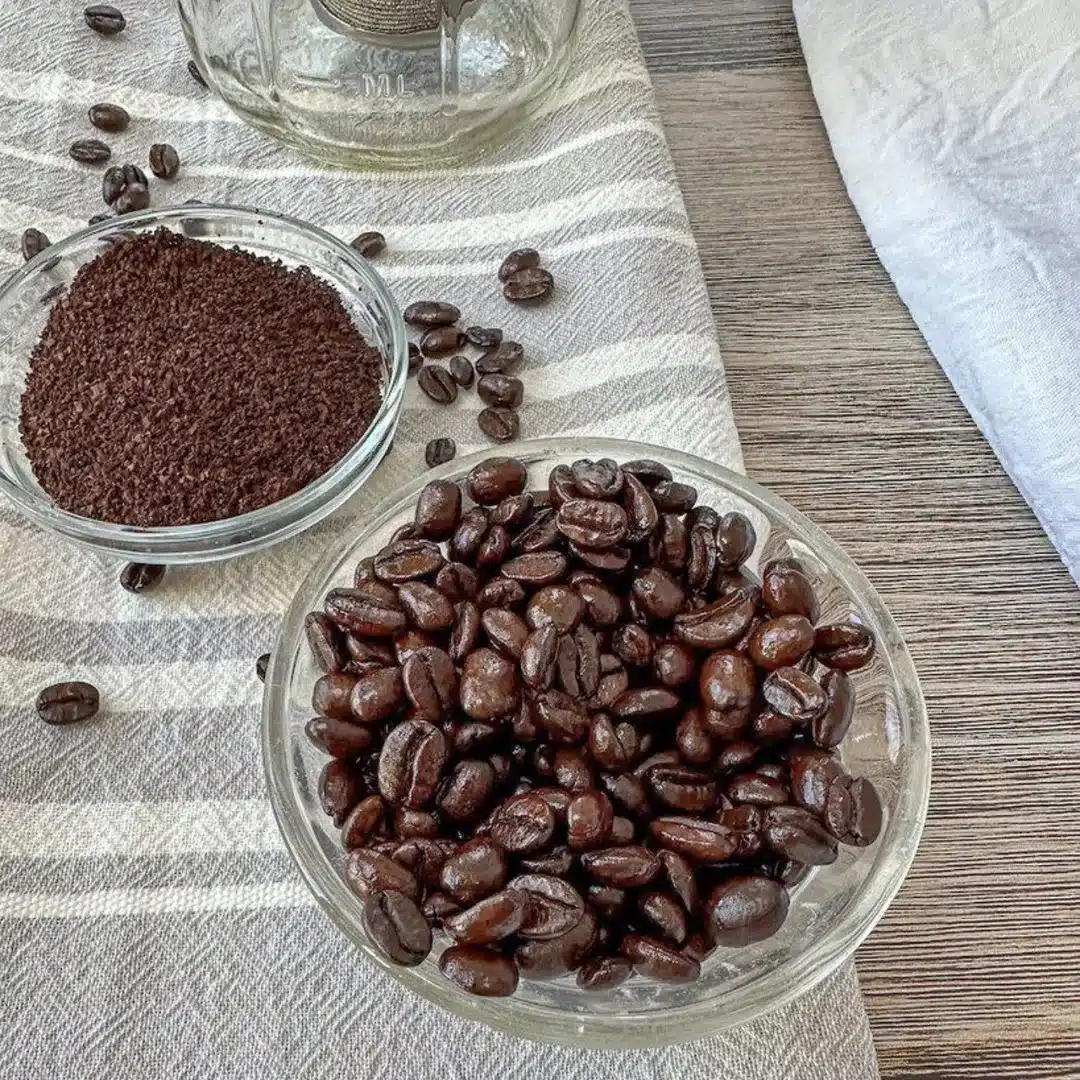
As a coffee lover, you probably agree that freshness can completely change the experience of drinking coffee. And if you prepare your coffee at home, you must have noticed how much the aroma, the texture, the flavor profile, and even the feeling of the first sip all depend on how fresh the coffee is when it meets the water.
Having said that, you should know that the only way to have total control and extract maximum full-bodied flavor is to grind the beans right before use. You can start by exploring selections of fresh whole beans roasted to bring out excellent flavor across different brewing methods.
Once you grind the beans right before brewing, you can adjust the texture depending on whether you want a slow, rounded French press or a rich, velvety espresso. This small step gives you much more control over the final cup than you can imagine.
Find Your Perfect Match
At the end of the day, the perfect grind size depends on your brewing method and personal taste. If your coffee feels weak or sour, you can always experiment and try a slightly finer grind. If it tastes bitter or too heavy, go a bit coarser. Either way, think of your grinder as part of the experience. That way, you’ll easily notice how the flavor changes and calibrate the drink to your personal taste until every cup feels exactly right for you.
Leave a Reply