

Take a look at a random collection of beauty and wellness products, and chances are that you’ll find the word “collagen” on at least a few labels. These days collagen appears everywhere — in powders, capsules, drinks, protein bars, and even coffee creamers. And it does have plenty of benefits for skin, bones, joints, muscles, and connective tissues. Therefore, it’s easy to understand why it has become so popular.
However, supplements aren’t the only way to get it. There are plenty of natural sources of collagen in food, and they can easily provide the nutrients that your body requires.
In this article, we’ll explain the difference between natural sources, supplements, and various types of peptides.
What Are Collagen Peptides?
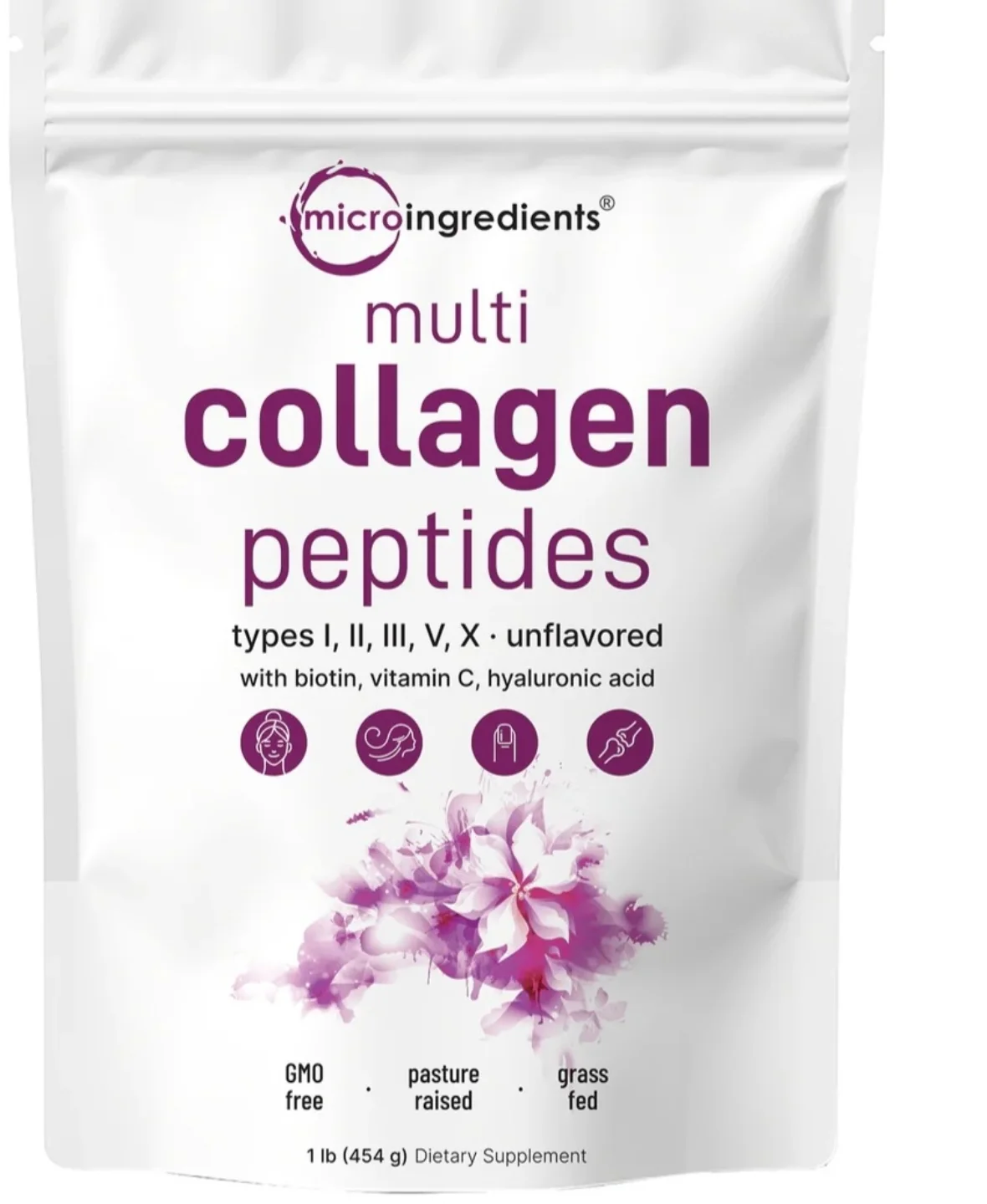
In order to understand how beneficial collagen products can be, you need to know what collagen peptides are.
Collagen itself is a type of protein. But unlike familiar proteins that associate with building muscle or keeping us full, collagen just takes part in building structural material in our body. In simple terms, it helps us to maintain the strength and structure of our skin, bones, joints, and other tissues.
However, human bodies aren’t really designed to absorb collagen in its original form. As a result, many manufacturers use a process called hydrolysis and try to break it down into smaller chains of amino acids. These amino acids are called peptides.
Collagen peptides are easier to digest because they dissolve well in liquids. That is the main reason why they are sold as powder products, such as the GLOW peptide blend that you can add to your coffee, smoothies, yogurt, or soups, similar to protein powder or other superfoods.
Still, you should also know that collagen peptides don’t travel directly to your skin or joints after you consume them. Your digestive system needs to first break them down and only the resulting amino acids are used by the body.
Foods That Naturally Contain Collagen
Luckily, there are plenty of natural sources of collagen that you can include in your diet without relying on supplements. However, it’s mostly available in carnivore foods. Considering that collagen is a part of the skin, bones, cartilage, tendons, and other connective tissues, plenty of animals contain it. Therefore, some of the best sources of collagen include chicken skin, pork skin, fish skin, and tougher cuts of meat.
Another carnivore source of collagen is gelatin. In fact, gelatin is created by cooking collagen-rich animal tissues. Not many people know, but plenty of gummies, jellies, sweets, and desserts actually contain animal products that are a good source of collagen.
However, if there’s one product that we’d choose in terms of health benefits and nutritional value, that’s definitely bone broth. It’s usually prepared by simmering animal bones, cartilage, and connective tissues for several hours. That way, gelatin is released, and as a result, it can be a warm, filling, and nutritious addition to your diet.
Nevertheless, it doesn’t mean that vegan people can’t naturally get collagen. You don’t necessarily need to eat collagen-rich foods for your body to make it. Interestingly, your body can produce collagen from amino acids from foods, such as meat, fish, eggs, dairy products, soy, beans, and lentils. Therefore, you can be a vegan and still produce sufficient amount of collagen naturally.
Do Collagen Supplements Actually Work?
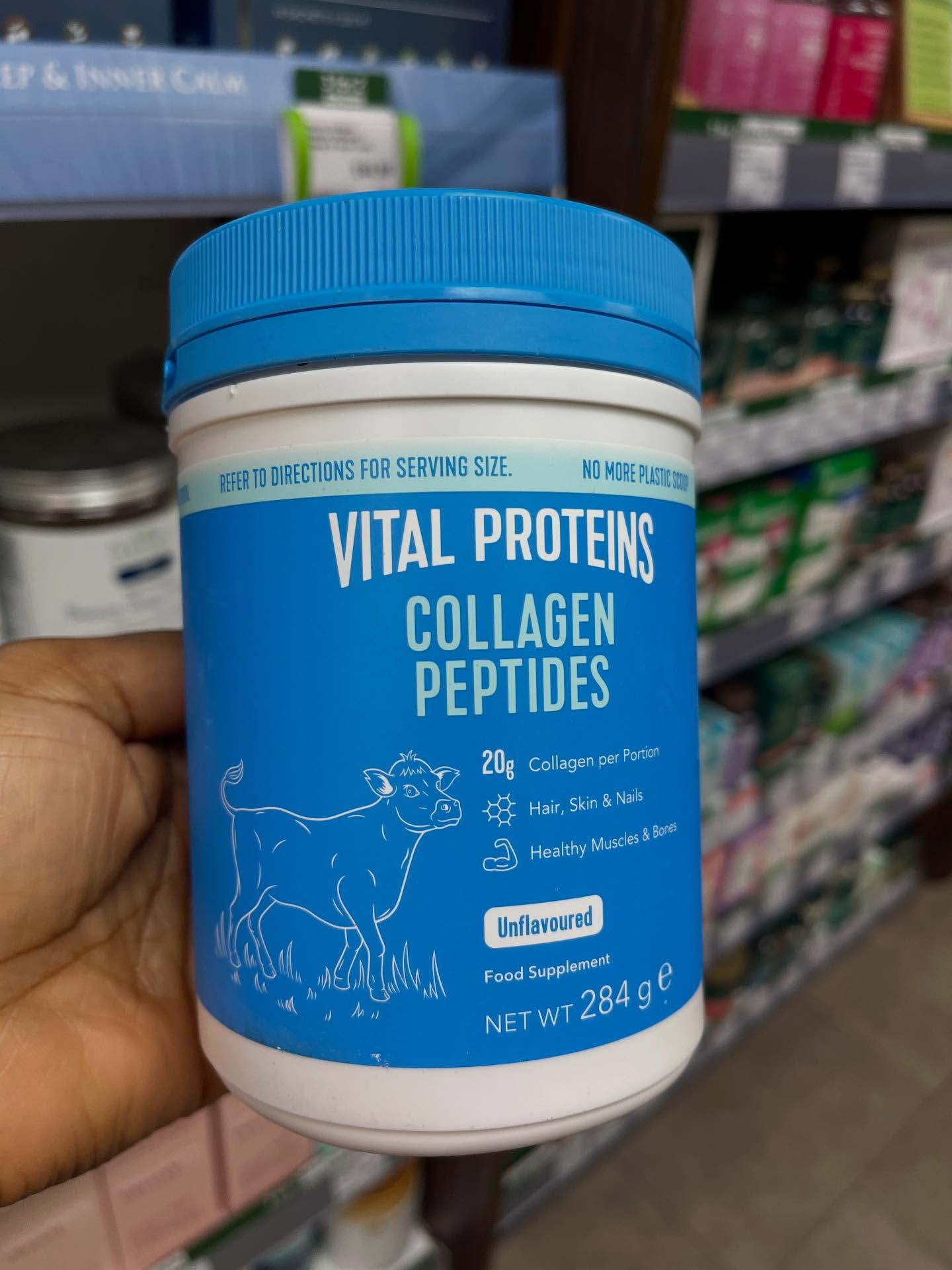
These days, collagen supplements are widely advertised in powders, capsules, gummies, and various drinks. For a general customer, it’s hard to believe that these simple things can actually improve their skin, nails, and joints.
While some studies show that collagen supplements can have at least modest benefits for skin hydration and elasticity, we can’t say that getting every single collagen product on the market will certainly improve your health. Even if the brand is reputable and the product is clean, in general, it’s not enough to take a collagen supplement just for a few days to notice a difference in your skin or joints.
Having said that, collagen supplements do help if you take them consistently for several weeks or months, but however beneficial they can be, your overall diet and lifestyle still play the biggest role.
Can Vegans Get Collagen From Food?
Finally, if you’re a vegan, you probably worry that you can’t get enough collagen from plant-based foods, and your concern does have a valid reason. However, you should also know that you can still support healthy collagen production in your body if you eat soy foods, beans, lentils, nuts, seeds, whole grains, fruits, and vegetables. All these plant-based products provide the protein and micronutrients the body needs to create collagen.
Either way, the most important thing is to eat enough total protein and maintain a varied diet with enough fruits and vegetables. That way, your body can have many of the materials it needs.





Leave a Reply